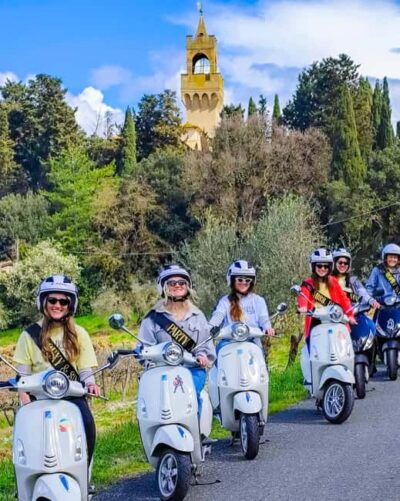
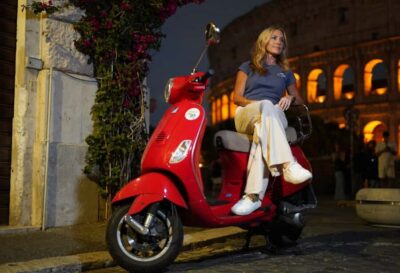
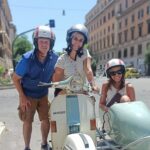
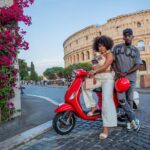
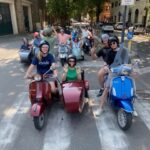
One hour and a half, Rome’s greatest hits. This Vespa tour with Nicolò strings together the big-name sights you came for—Piazza Navona, the Colosseum area, Circus Maximus, Piazza di Spagna, and the Pantheon—while you get simple, clear context as you ride.
I like that it’s private (just your group) and led in English, so you can actually understand what you’re looking at instead of playing museum roulette. I also like the practical touch of pickup being organized for you after booking, plus a mobile ticket so you’re not scrambling.
One thing to plan around: the Colosseum admission ticket isn’t included, so if you want to go inside, you’ll need to handle that separately.
In This Review
- Key things I think you’ll care about
- Vespa Touring Rome in 90 Minutes: What to Expect
- Piazza Navona and the Pamphili Stadium Shape
- Vittoriano as the Backdrop: Seeing the Modern Monument Moment
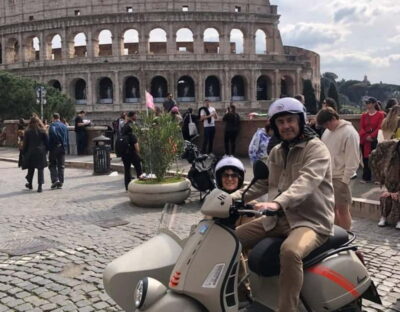
- Colosseum Stop: Iconic Amphitheater and the Ticket Reality
- Circus Maximus: Ancient Games in the Valley Between Palatine and Aventine
- Piazza di Spagna and the Spanish Steps: Why the Name Matters
- The Pantheon Stop: A Temple for All Past, Present, and Future Gods
- Value, Pickup, and Mobile Tickets: The Practical Side
- What the Private Format Changes for You
- Who This Vespa Tour Suits Best
- Should You Book This Vespa Tour with Nicolò?
- FAQ
- How long is the Vespa tour with Nicolò?
- Is the tour offered in English?
- Is this a private tour?
- Is pickup included?
- Are Colosseum tickets included?
- What’s the cancellation policy if weather is poor or plans change?
Key things I think you’ll care about
- English-led ride with Nicolò so you can follow the story without guessing.
- Private tour just for your group, not a big group shuffle.
- Fast 1.5-hour loop through Rome’s signature squares and landmarks.
- Colosseum stop with tickets not included, so decide in advance if you want inside access.
- Pickup arranged after booking, and it’s near public transportation if you’re meeting yourself.
- Good weather matters, since the experience requires it.
Vespa Touring Rome in 90 Minutes: What to Expect
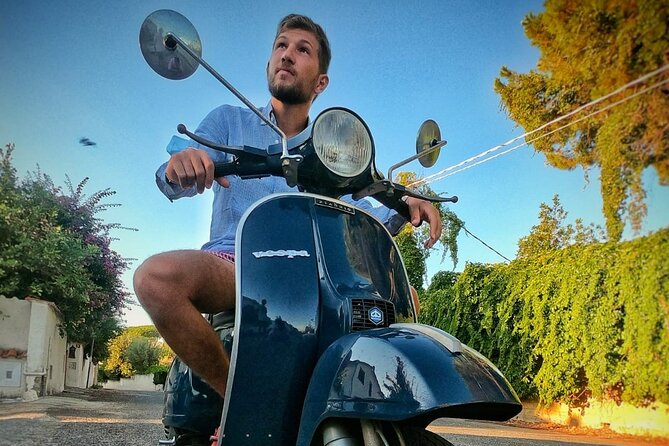
This is a short, street-level Rome sampler. You’re on a Vespa tour for about 1 hour 30 minutes, which means the focus is on seeing key monuments and getting orientation fast, not slow wandering for hours.
What makes it work is that the route is built around Rome’s “wow” points: you’ll hit major squares and monuments, then ride onward before the city crowds fully take over your energy. You’ll also get a steady sense of place—how each spot fits into Rome’s layout—because the stops are spaced like a walking route, just faster.
Also, this is private, so you won’t be stuck waiting for ten strangers to wrestle with cameras or lost phone chargers. If you’re traveling with a partner or a small group and want your own pace, that matters.
Piazza Navona and the Pamphili Stadium Shape
Piazza Navona is one of the most recognizable squares in Rome, and the way this stop is framed is useful. It’s not just a pretty square—you learn that it was built in monumental style by the Pamphili family at the behest of Pope Innocent X, and that its shape echoes an ancient stadium.
That detail changes how you look at the place. Instead of treating it like a single photo spot, you start seeing it as a reused Roman form. It’s a big lesson in how Rome often builds on what was already there.
You’ll also get a sense of why this spot keeps pulling people in: Piazza Navona is described as the center of modern Rome, so it works as both an ancient-root landmark and a living city space where people actually spend time.
Practical tip: if you want the best photos, pick your side of the square early. In a short tour, you don’t get long to test angles.
Vittoriano as the Backdrop: Seeing the Modern Monument Moment
From Piazza Navona, the visual setup is part of the experience. The area is framed with the Vittoriano, described as the largest monument in Europe, and it becomes the “backdrop” that shapes how the square looks and feels.
This stop isn’t only about admiring old buildings. It’s also about understanding Rome as a layered city: ancient forms and modern monuments sharing the same sight lines. That’s useful on a first-time visit, because it helps you connect later impressions—especially when you’re moving between classic Rome and more recent landmarks.
If you’re the type who likes seeing the city as a living collage rather than a single timeline, you’ll appreciate this balance.
Colosseum Stop: Iconic Amphitheater and the Ticket Reality
The Colosseum is the headline, and the context given here is exactly the right kind of orientation. You’ll hear that it was originally known as the Flavian Amphitheater, also called the Flavian Amphitheater or simply Amphitheatrum, and that it’s the largest Roman amphitheater in the world.
Then comes the practical part: the stop is short—about 5 minutes—and admission tickets are not included. That’s the key consideration.
So here’s how to think about it:
- If your priority is taking in the Colosseum from outside and learning the basics, this stop works well.
- If you want to go inside (and most people do), you’ll need to plan separate entry ahead of time. The tour won’t solve that for you.
Because the stop is brief, don’t treat it like a full-site visit. Treat it like a fast introduction that helps you decide what you want to do next day—or later in your trip.
Circus Maximus: Ancient Games in the Valley Between Palatine and Aventine
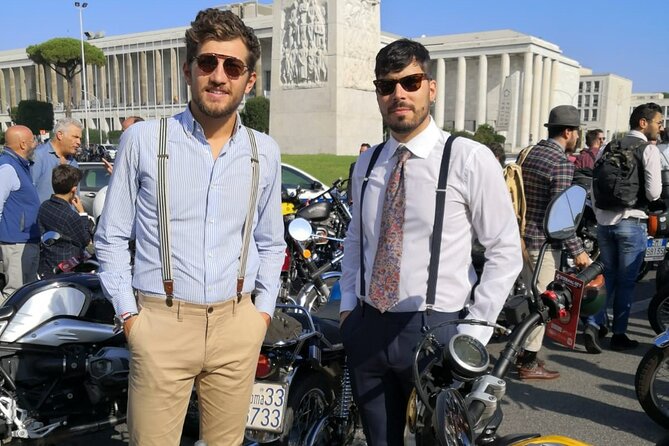
Next up is Circus Maximus, an ancient Roman circus located in the valley between the Palatine and the Aventine. This is one of those places where the “wow” isn’t about a perfectly preserved building—it’s about scale and setting.
You’ll be reminded that it’s been remembered as a venue for games since the beginning of the city’s history. That matters because it nudges you to imagine the activity, not just the stones.
Why I like this stop: it gives you variety. After Piazza Navona and the Colosseum, Circus Maximus adds a different kind of Roman space—less “arena wall” and more “long, open Roman entertainment landscape.”
If you’re mapping Rome in your head, this helps you connect hills and valleys, not only monuments.
Piazza di Spagna and the Spanish Steps: Why the Name Matters
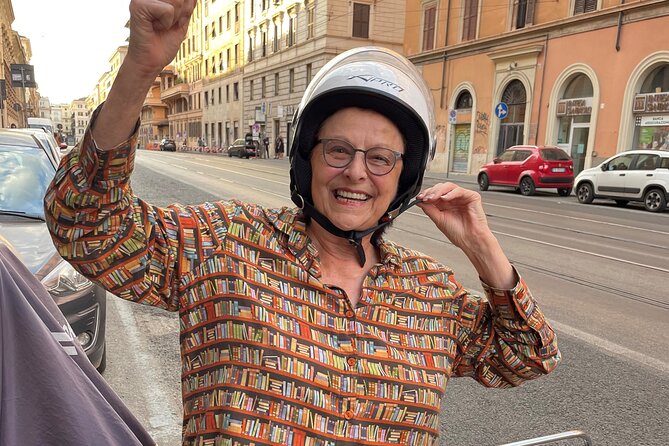
Piazza di Spagna and the Spanish Steps are one of the most famous scenes in Rome, and the name has a story. You’ll learn that the name ties back to the Palazzo di Spagna, seat of the embassy of the Iberian state to the Holy See.
That kind of detail turns the stop into more than sightseeing. It’s not just a stairway you pass for photos—it becomes a clue to how international presence and diplomacy shaped Rome’s center of gravity over time.
In a short Vespa loop, this is also a smart choice because it’s instantly recognizable from a distance, which helps the tour keep momentum without leaving you feeling lost.
Practical tip: if you want a lot of photos here, plan on grabbing them quickly. This is a “see it well once” kind of stop, not a slow hang.
The Pantheon Stop: A Temple for All Past, Present, and Future Gods
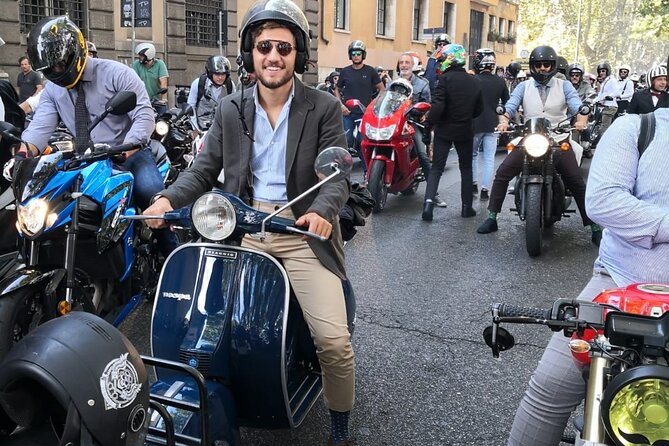
The tour finishes (or at least includes) the Pantheon, described as a Roman building in the Pigna district built as a temple dedicated to all past, present and future divinities.
That wording is interesting because it helps you view the Pantheon as an idea, not just an object. Even if you’ve seen images before, it’s useful to remember the purpose: a temple meant for a wide span of divinities across time.
From a touring standpoint, the Pantheon is a great capstone. It’s central to Rome’s identity and works as a “final meaning” moment after you’ve already gone through squares and entertainment venues.
If you’re trying to make your first visit feel coherent, this stop helps. It gives the ride a cultural anchor, so you don’t just end the day with a checklist of landmarks.
Value, Pickup, and Mobile Tickets: The Practical Side
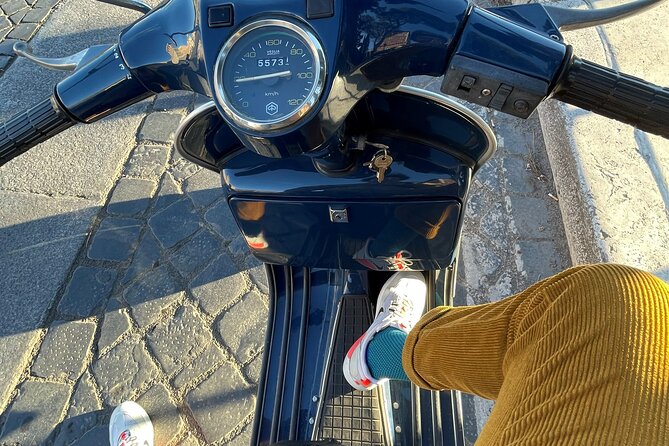
At $72.56 per person for about 1 hour 30 minutes, you’re paying for speed, convenience, and interpretation. You’re not paying for a full guided day, and you’re not paying for entrance tickets—so think of it as paying to save time and get your bearings fast with a strong guide.
Two practical features make that value feel real:
- Pickup is offered, and after you book, the team organizes where to meet.
- You receive a mobile ticket, which cuts down on paperwork stress.
This matters because Rome logistics can eat your time. When pickup is handled and the ticket is digital, you spend more energy on the sights.
One more note from experience-style feedback: Nicolò has been praised for speaking English and being an excellent driver and guide. If you want clarity and comfort on a Vespa ride, that’s a major plus.
What the Private Format Changes for You
Because it’s a private tour/activity (only your group participates), the ride feels less like a production and more like a conversation. That’s not just a comfort thing—it affects what you remember.
When you can ask a question or move at a pace that fits you, you’re more likely to connect the dots between stops. And for first-timers, that connection is everything.
If you prefer group tours, this might still feel good because the stops are time-efficient. But it’s especially worth it if you’re tired after flights, want a short plan, or you’d rather not spend your day coordinating with strangers.
Who This Vespa Tour Suits Best
This works well if:
- You want a compact Rome overview and like the idea of riding between major sights.
- You’re comfortable with a short stop format (brief looks, then move on).
- You want English guidance from Nicolò and appreciate a calm, organized experience.
- You have limited time and don’t want to piece together taxis or long transit chains.
It may not be your best choice if:
- You want a long, in-depth museum-style visit to multiple sites.
- You specifically want the Colosseum interior as part of the plan without arranging tickets separately.
- Weather is unpredictable for your dates, since the tour requires good weather.
Should You Book This Vespa Tour with Nicolò?
If you’re on a first Rome trip and you want the big highlights without spending half the day stuck in transit, I think it’s an easy yes. The route covers the sights people recognize instantly, and the guide approach is built to help you understand what you’re seeing—especially with the Colosseum background, the Piazza Navona origin story, and the name link behind Piazza di Spagna.
Just go in with two smart expectations:
- Colosseum admission isn’t included, so decide whether you want inside access and book that separately if you do.
- This is a short ride, so treat each stop like a strong first look—then plan longer time at the places you love most.
Also, if a tour gets canceled on short notice, don’t assume refunds are instant. Use your booking platform to confirm the status, and keep an eye on the refund timeline so you’re not left wondering.
If that sounds like your style of travel—quick orientation, good guiding, then follow-up on your own—I’d book it.
FAQ
How long is the Vespa tour with Nicolò?
The experience lasts about 1 hour 30 minutes.
Is the tour offered in English?
Yes, the tour is offered in English.
Is this a private tour?
Yes. It’s a private tour/activity, and only your group will participate.
Is pickup included?
Pickup is offered. After booking, they organize the pickup point for you.
Are Colosseum tickets included?
No. The Colosseum admission ticket is not included.
What’s the cancellation policy if weather is poor or plans change?
You can cancel for a full refund up to 24 hours in advance. The experience requires good weather, and if it’s canceled due to poor weather, you’ll be offered a different date or a full refund.