REVIEW · ROME
Rome tour by vespa
Book on GetYourGuide →Operated by Rome by fiat and Vespa · Bookable on GetYourGuide
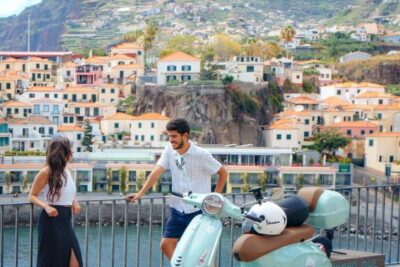
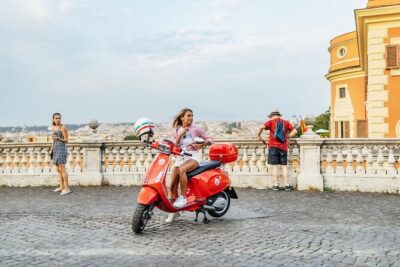
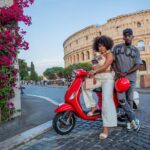
Vespas make Rome feel like a movie. I like that this vintage 60s Vespa tour combines classic landmarks with quicker stops that still leave time to enjoy the streets, not just pose. The photo-focused pacing and the chance to hit Trastevere, the Colosseum, and the Vatican in one ride make it a smart way to see Rome fast.
Two things stand out for me: the fun of cruising in a restored scooter and the way each stop is planned for easy, on-the-spot photos and short guided context. One thing to consider is time: most stops are only 10–15 minutes, so if you want long entries or museum time, you’ll still need to add that later.
In This Review
- Key points to know before you ride
- Why a vintage Vespa tour works so well in Rome
- Price and time: what $169.93 buys you
- Where you start (and how flexible it feels)
- The tour rhythm: 10–15 minute stops, big results
- Piazza Navona and the Pantheon: classic Rome in quick hits
- Piazza di Spagna to Piazza del Popolo: Rome’s stair-and-view zone
- Trevi Fountain and Piazza Venezia: the must-photos, plus meaning
- Vatican City by vanishing light: quick views, smart stops
- Janiculum Hill and Trastevere: viewpoints and character
- Pyramid of Cestius to Circus Maximus: ancient Rome outside the main roar
- Colosseum and Aventine Keyhole: big icons, short stops done well
- Coffee, gelato, and that picnic-basket wine moment
- Laki, Erion, and Lucky: the human factor that makes the route feel personal
- What if the Vespa can’t run?
- Who this Rome by Vespa tour is best for
- Should you book this vintage Vespa Rome tour?
- FAQ
- How long is the Rome tour by Vespa?
- Is this a private group or shared tour?
- What’s included in the tour besides the guide?
- Where does the tour start and end?
- What vehicle do you ride during the tour?
- What sights are included in the route?
- What is the cancellation policy?
Key points to know before you ride
- Vintage Vespa energy (and backup) for a street-level Rome experience
- Route hits major icons and calmer streets, not just the busiest squares
- Frequent photo stops with short guided explanations so you learn while you walk a few steps
- Coffee, snacks, drinks, and gelato built into the tour rhythm
- Private group means you can move at your pace and ask questions in English, Spanish, or Italian
Why a vintage Vespa tour works so well in Rome
Rome is best when you move like locals: slowly, with curiosity, and at street speed. A vintage Vespa (restored from the 1960s) turns the ride into part of the sightseeing. Instead of being stuck on foot or watching the city from a bus window, you get that close-up feeling as you roll through small streets, churches, monuments, fountains, and squares.
I also like the visual payoff. Many of Rome’s famous views come from angles, not straight-on views, and you can catch those angles while the guide times your stops. It’s the kind of tour where your camera roll ends up looking like a real photo walk, but with guidance.
Price and time: what $169.93 buys you
At $169.93 per person for about 2.5 hours, you’re paying for four things: a private guide, a vintage vehicle, timed photo/walk stops, and included food touches. You’re not buying a full-day, step-by-step Rome education. You’re buying a concentrated hit of highlights plus a little room for “wow” moments you didn’t plan.
Here’s the practical tradeoff. Because the tour is short, you’ll get brief visits at each stop rather than full explorations. That’s not a drawback if your goal is orientation and iconic sights. It is a drawback if you’re hoping for long time at the Pantheon interior, the Vatican Museums, or deeper neighborhood wandering.
Where you start (and how flexible it feels)
The tour is designed around a simple start and an easy end. You meet at the bistro & wine bar Pasquino, and you return to the meeting point area at the end. In the route details, the starting point is listed at Via del Governo Vecchio, 79, which lines up with that neighborhood for a convenient start.
You can also arrange pick-up anywhere in the city Rome, which is handy if you’re staying a bit off the main tourist grid. The key for you: double-check the meeting instructions when you book, because the exact pick-up or meet location can vary based on where you are staying.
The tour rhythm: 10–15 minute stops, big results
This is a “photo stop + guided pointers” format. Most stops are around 10 minutes, with a couple longer breaks at major viewpoints and big-ticket sites. That short timing is deliberate: it keeps the route moving while still giving you enough time to look up, step around for photos, and absorb a few facts.
Your best strategy: travel light and keep your schedule flexible in your head. With short stops, you’ll want to be ready to exit quickly when the guide arrives, and then ready to re-board without lingering too long. If you like a guided pace with fewer decisions, you’ll enjoy this format.
Piazza Navona and the Pantheon: classic Rome in quick hits
You kick things off with a start in the Via del Governo Vecchio area, then roll to Piazza Navona. In just about 10 minutes, you’ll get the guided orientation and time for photos in one of Rome’s most dramatic squares. It’s a great first stop because it tells you what kind of “Rome look” you’re in for: ornate, theatrical, and very walkable.
Next is the Pantheon. The stop is listed as a photo stop plus a guided visit around 10 minutes. Even if you’re not going in for a long sit-down, you’ll get pointers on what to notice and where to stand for a strong view. It’s one of those places where a few minutes with the right angle and context is worth a lot.
Piazza di Spagna to Piazza del Popolo: Rome’s stair-and-view zone
Then the route takes you to Piazza di Spagna, followed by Piazza del Popolo. Both are short stops, and that’s the point: you get the icons without turning the tour into a long walking marathon.
At Piazza di Spagna, the guide helps you “read” the area quickly, so you understand why it’s famous and what angles people chase for photos. At Piazza del Popolo, you get another quick orientation stop that helps you connect the dots between neighborhoods, churches, and the routes that link them.
If you’re the type who gets overwhelmed by too many stops in one day, this pacing is actually comforting. You’ll hit big names, but you won’t be stuck for ages in one place.
Trevi Fountain and Piazza Venezia: the must-photos, plus meaning
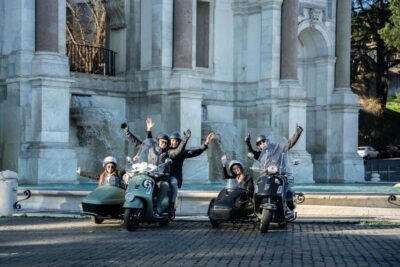
Trevi Fountain is next, again with photo stop and short guided visit around 10 minutes. Even if you’ve seen it in photos, this is one of those spots where being there in person lands differently. The guide’s job here is to point you toward the best viewing spots and keep the stop efficient.
Then you head to Piazza Venezia, which is a good mid-tour anchor. It’s listed as a photo stop, visit, and guided tour in the same tight time window. This matters because it’s easier to enjoy the route when you feel your bearings, and Piazza Venezia is the kind of place that helps everything connect.
Vatican City by vanishing light: quick views, smart stops
The itinerary includes a stop in Vatican City for photo and guided tour time around 10 minutes. This is where the timing can really shape the whole experience. If your ride begins before sunset (as one example tour described), the color and the atmosphere usually shift fast, and those short stops can feel more rewarding.
A short Vatican stop won’t replace a full Vatican day, but it can help you decide what you want to come back for. You’ll see the dramatic edges and get enough guidance to understand what you’re looking at, then you can plan a deeper return later.
Janiculum Hill and Trastevere: viewpoints and character
One of the longer moments is Janiculum Hill (Gianicolo), listed for about 15 minutes. This stop is timed like a break and a viewpoint: you’re not just collecting photos, you’re getting a perspective shift. If Rome feels like chaos on the street, a hill stop helps your brain organize the city.
After that, you head to Trastevere. The tour gives another photo stop and guided visit around 10 minutes. This is where the “sweet life” idea shows up in real form: romantic alleys, small shops, and the kind of street energy you can’t get from a fast bus ride. Even within a short stop, the guide’s pointers help you notice details you might otherwise walk right past.
Pyramid of Cestius to Circus Maximus: ancient Rome outside the main roar
Two stops in the itinerary—Pyramid of Cestius and Circus Maximus—help you see Rome’s older layers without feeling like you’re trapped only in the most famous crowds. Each is listed with photo stop and guided tour around 10 minutes.
The Pyramid of Cestius is a different kind of sight: it’s sharp, unique, and less “obvious-famous” than the Coliseum. That makes it a nice balance mid-route. Circus Maximus, on the other hand, gives you a wider-feeling ancient context. You get the idea of scale and history through the setting, even if you don’t stay long.
Colosseum and Aventine Keyhole: big icons, short stops done well
Next you have a stop at the Colosseum with a 15-minute break. This is one of the most important time allocations on the route. You get time for photos and guided pointers, but you still keep moving, which helps the day feel like a route instead of a waiting game.
Then the tour ends with the Aventine Keyhole. That stop is about 10 minutes, focused on a very specific viewpoint. It’s a fun finale because it’s quick, distinct, and oddly satisfying: you know exactly what you came for when you arrive.
Coffee, gelato, and that picnic-basket wine moment
Part of the tour value is that it feeds the experience, not just the schedule. There’s a stop for coffee at a popular bar, and the tour description notes you might also drink a glass of wine from a bottle held in a picnic basket behind the car. You’ll also receive Italian snacks and drinks, and gelato as included items.
What this means for you in real life: you’re less likely to run out of energy halfway through the ride. Rome walking can be slow but tiring, and it’s nice when the plan includes an easy break with food and drink.
Laki, Erion, and Lucky: the human factor that makes the route feel personal
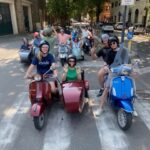
This kind of tour lives or dies on the guide’s style. In examples from past tours, guides like Laki and Erion teamed up with Lucky, and the common thread was a warm, genuine love for Rome and a focus on both major sites and quieter corners. That shows up when the explanations are short but memorable, and when the guide points out what to notice in the streets you might otherwise ignore.
Even in a private group, personality matters. It’s what turns a list of places into something that feels like a conversation. If you want history that fits into real time on the street, this is the kind of format that can deliver it.
What if the Vespa can’t run?
There’s at least one real-world example where a last-minute issue with the Vespa led to a switch to a vintage Fiat 500 instead. The replacement car was described as custom-painted in an iridescent green and attracted plenty of attention on the road.
So here’s the practical takeaway for you: don’t think of the Vespa as the only guarantee. Think of the experience as vintage-vehicle sightseeing, with the operator handling the swap if needed. If you’re flexible, you’re more likely to end up with the day that still works.
Who this Rome by Vespa tour is best for
I’d steer you toward this tour if you want a high-impact Rome highlights route without spending your day arguing with maps. It fits well when you have limited time, when you want orientation before choosing your next stops, or when you prefer guided photo stops over long unstructured wandering.
It can also work nicely for couples and small groups who want a shared experience. Because it’s a private group, you’re not stuck in the flow of a big herd, and it’s easier to ask quick questions when something catches your eye.
Should you book this vintage Vespa Rome tour?
Book it if your goal is simple: see the headline sights, plus a few street-level moments, in a way that feels fun and photo-friendly. For $169.93 per person, the mix of private guiding, a vintage vehicle, and included snacks/drinks/gelato is a strong value if you’re not planning a full museum day.
Skip it (or add a lot of extra time elsewhere) if you want to linger. The stops are intentionally short, and the tour is built for movement, not slow deep-dive time at each site. You’ll get the highlights, but you won’t get a full Rome day pass to everything.
If you like Rome best when you’re moving through squares, alleys, and viewpoints, this is one of the more satisfying ways to do it.
FAQ
How long is the Rome tour by Vespa?
The tour lasts about 2.5 hours.
Is this a private group or shared tour?
It’s a private group.
What’s included in the tour besides the guide?
The tour includes Italian snacks and drinks, and gelato. A coffee stop is also part of the plan.
Where does the tour start and end?
You meet at the bistro & wine bar Pasquino, and the activity ends back at the meeting point.
What vehicle do you ride during the tour?
The experience is described as riding a restored vintage 60s Vespa.
What sights are included in the route?
The route includes stops such as Piazza Navona, the Pantheon, Piazza di Spagna, Piazza del Popolo, Trevi Fountain, Piazza Venezia, Vatican City, Janiculum Hill, Trastevere, Pyramid of Cestius, Circus Maximus, Colosseum, and the Aventine Keyhole.
What is the cancellation policy?
You can cancel up to 24 hours in advance for a full refund.