REVIEW · ROME
Vespa Scooter Tour “Rome as a Local”
Book on GetYourGuide →Operated by MAMMA MIA TRAVEL · Bookable on GetYourGuide
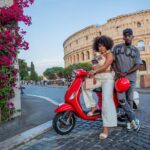
A Vespa ride makes Rome feel close. What makes this one work is the combo of pro drivers plus a guided route with photo stops at the big-name sights. You get an easy, energetic way to cover key landmarks without spending your whole day stuck in slow walking lines.
The best part is the mix: iconic monuments up front, then viewpoints and neighborhood streets that help you see Rome from different angles. One consideration: this tour is not suitable for pregnant women, wheelchair users, or people over 209 lbs (95 kg).
In This Review
- Key points before you go
- The Vespa factor: why this tour feels different
- Meeting near Metro Cavour: start point and first impressions
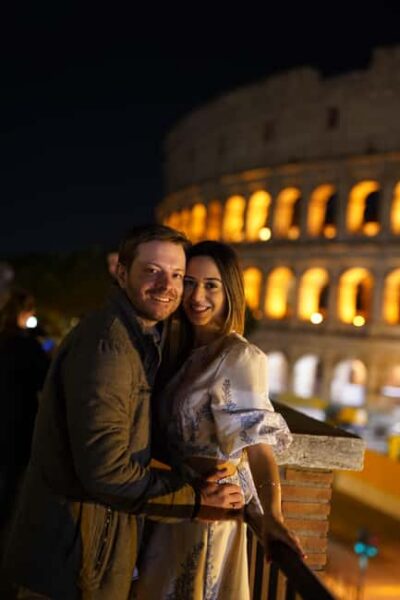
- Colosseum: photo stop with a quick orientation
- Circus Maximus, Arch of Constantine, and Palatino glimpses
- Giardino degli Aranci (Orange Garden) and Terrazza Aventino
- Janiculum Hill: Rome and Vatican in the same glance
- Trastevere streets: the local vibe part of the deal
- Riding the Tiber and Fontana di Acqua Paola
- Pantheon finish: one of Rome’s oldest temples
- Guides matter: safety, pacing, and making the city click
- Price and value: $106 for 1.5 hours—what you’re really buying
- Who should book this Vespa Rome as a Local tour
- Should you book it
- FAQ
- How long is the Vespa Rome as a Local tour?
- Where is the meeting point?
- What’s included in the price?
- What languages are the guides available in?
- Is it a private group tour?
- Is it suitable for wheelchair users or pregnant women?
Key points before you go
- Private group with professional drivers so you can focus on the sights, not balancing.
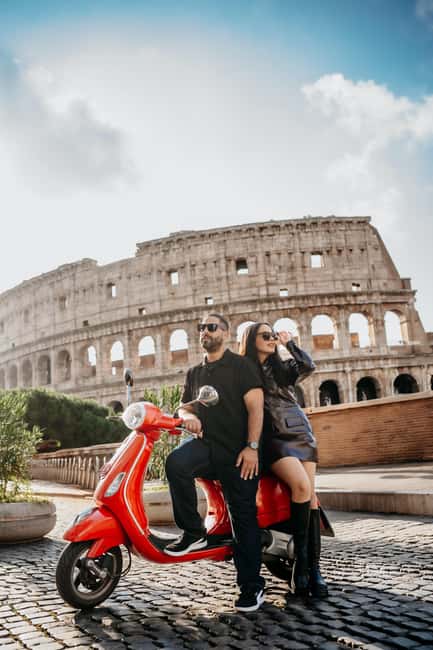
- Photo stops at postcard-famous spots including the Colosseum and the Pantheon.
- Big viewpoint time at the Orange Garden (Terrazza Aventino) and Janiculum Hill.
- Tiber River and baroque details with a stop to admire Fontana di Acqua Paola.
- Local-feeling streets in Trastevere, with narrow lanes and a lively vibe.
- Guide in multiple languages (English, Italian, Russian, Turkish), so the stories land.
The Vespa factor: why this tour feels different
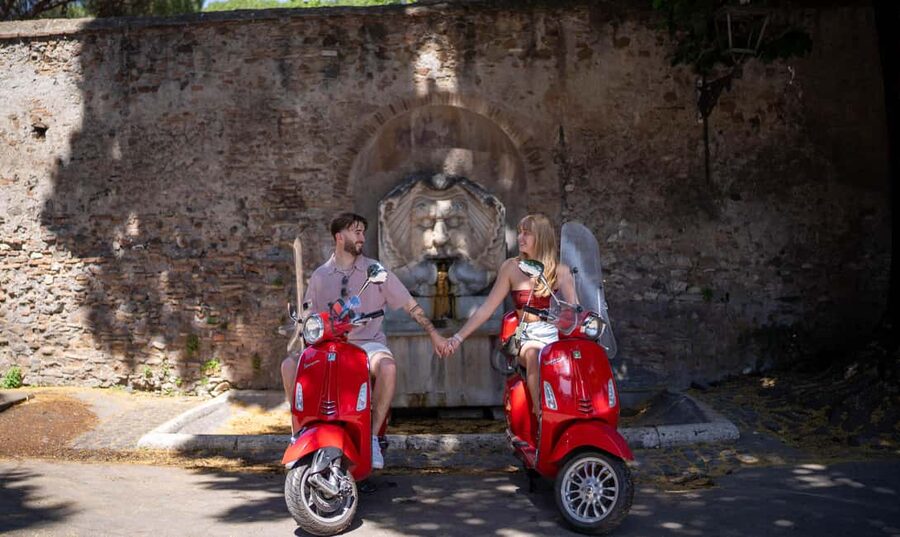
Rome can be overwhelming. It’s loud, busy, and full of sights that are all trying to pull your attention at once. A Vespa tour changes the pace immediately. You cover ground fast, and the motion helps you connect what you see with where you are.
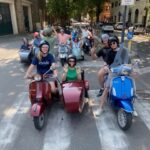
I also like that the tour uses professional drivers. That matters because Rome streets aren’t a theme park. You get the fun part of scooter travel without having to be the one making every decision. Helmet included, guide alongside, and a structured route keeps things smooth for a short 1.5-hour outing.
This isn’t a slow, sit-down “talking about Rome” experience. It’s a ride with quick stops. If you like movement, and you want photos plus context, you’ll probably enjoy it.
Meeting near Metro Cavour: start point and first impressions

You meet near metro station Cavour, at Via Cavour 207. The location is practical because it’s easy to reach and simple to find once you’re in the area. Starting there also sets you up for a fast run toward the historic core.
Plan to arrive a few minutes early. You’ll want a little breathing room to get helmeted and oriented before you roll. Also, wear something comfortable for short rides and quick photo moments—Rome looks great, but you still want to move well in the moment.
Colosseum: photo stop with a quick orientation
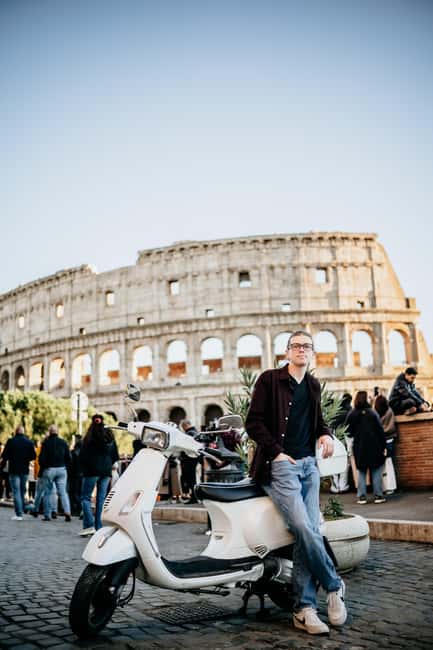
The tour kicks off by heading toward the Colosseum for a photo stop. You’ll get a short scooter ride in, then a chance to visit and sightsee for about 15 minutes. That time is long enough to reset your mental map: you’ll look at the Colosseum, then later recognize the surrounding landmarks as you pass them.
What I like here is the order. The Colosseum is the obvious headline. But seeing it as the first stop sets the tone for everything that follows—ancient Rome stops feeling random and starts feeling like a system of places built close together.
If crowds are part of your stress level, this format can be easier than spending lots of time queueing for every viewpoint. You’re not trying to “do everything.” You’re sampling the highlights with a guide’s timing.
Circus Maximus, Arch of Constantine, and Palatino glimpses

After your Colosseum time, the route takes you past major ancient landmarks. You’ll glide by the Circus Maximus, the old chariot-racing stadium, and you’ll also see the Arch of Constantine. The view includes Palatino hill as part of the scenery you pass.
These aren’t long stops. Instead, they work like a moving museum label. When you’re riding, the landmarks appear in sequence, which helps you connect their positions in a way that’s harder when you just walk from one spot to another.
I’d call this section a “Roman road map” moment. You’re learning the geography, not just collecting names.
Giardino degli Aranci (Orange Garden) and Terrazza Aventino
Then you head to Giardino degli Aranci, with time for a photo stop and a guided visit. This is one of the best parts of the tour because it shifts you from “big monument viewing” to “Rome from above.”
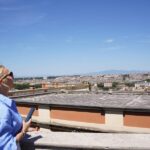
The tour includes a panoramic view from Terrazza Aventino. That viewpoint angle is the key. You’re not just looking at one building. You’re seeing how the city stretches out and how the layers overlap—rooftops, domes, and the general sprawl that makes Rome feel like a living collage.
There’s also free time here. That’s important. It keeps the stop from feeling like a rushed checklist. Take a few minutes to stand, rotate for photos, and let the view reset your sense of scale. This is the kind of place where a quick stop can still feel satisfying.
Janiculum Hill: Rome and Vatican in the same glance
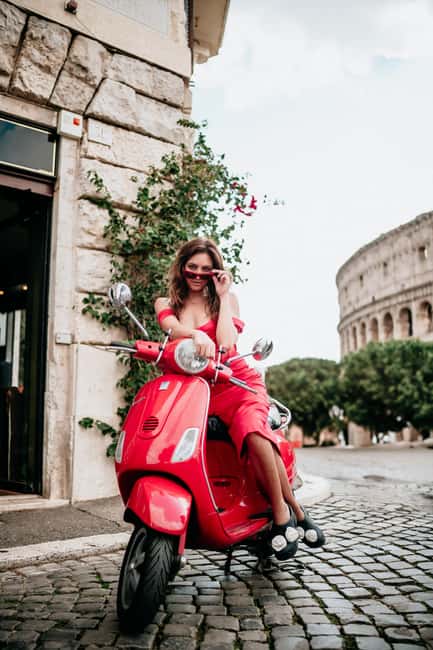
Next comes Janiculum Hill, the highest point of Rome. You’ll ride to the viewpoint area, then have a break with another photo stop, plus time to sightsee on your own.
The big payoff is the perspective. From up there, you can see both Rome and Vatican. That single line in the tour description matters more than you might think. One look can help you understand how different zones of the city connect—how far the urban sprawl reaches, and how the skyline shifts from neighborhood to neighborhood.
This is also where you’ll feel the speed of the Vespa route in a good way. You started with the Colosseum and the ancient core. Now you’re above it, getting the city-wide context.
Trastevere streets: the local vibe part of the deal

The tour includes time exploring the Trastevere neighborhood. You’re looking at narrow streets and a lively atmosphere, which is exactly why this stop is valuable even though it’s not the biggest-name monument.
Trastevere is where Rome can feel more lived-in and less staged. If you’re the type who loves small streets, spontaneous street life, and walking into side alleys just to see what’s there, you’ll probably appreciate this part of the ride.
The balance here is smart. If your Rome plans are heavy on museums and major sites, Trastevere adds texture. If your plans are light and you’re mostly sightseeing by foot, this gives you a shortcut into one of the city’s most distinctive neighborhoods.
Riding the Tiber and Fontana di Acqua Paola
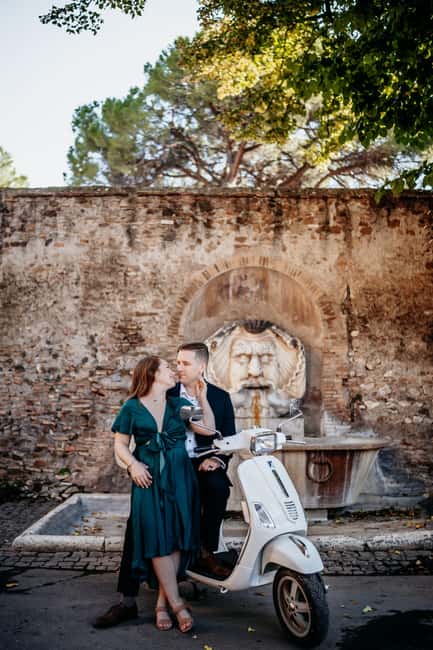
You’ll also ride along the Tiber River and admire Fontana di Acqua Paola. This is a nice change of pace because fountains and riverfronts break up the “Roman ruins” rhythm. It’s also a moment that reminds you Rome isn’t only about monuments. It’s about spaces where the city breathes.
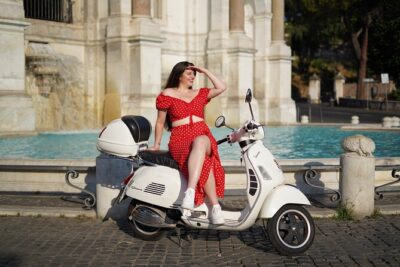
Fontana di Acqua Paola is described as baroque, and you’ll see that style in the way the fountain draws attention with its sculptural presence. Even if you only get a quick viewing window, the design is memorable.
I like this for photo purposes, too. A fountain view adds variety to a photo set that might otherwise be all stone and arches.
Pantheon finish: one of Rome’s oldest temples
The tour ends at the Pantheon. After the final scooter ride (about 15 minutes), you finish at the Pantheon for your last sightseeing moments.
The Pantheon is the kind of place where even a short stop hits hard. It’s old, iconic, and visually clear—your eyes know what to focus on right away. Ending here also works because it feels like a strong finale. You finish with a building that people recognize instantly, even if it’s your first time in Rome.
If you still have energy after the ride, this is a good spot to linger. The tour finish point gives you an easy anchor for continuing on foot.
Guides matter: safety, pacing, and making the city click
This experience isn’t just about getting on a scooter. The guide’s role is to connect what you’re seeing with what it means. You also get help with timing, photo moments, and getting through the route without feeling lost.
The tour uses live guides in English, Italian, Russian, and Turkish. That language support matters because you’ll get more than a quick nod at facts—you’ll understand what you’re looking at as you move past it.
I also noticed the guide names that show up in people’s feedback: Tofig and Mert are mentioned as lovely, thoughtful guides, and Toto and Eddy show up as standout guides too. When you hear the same pattern across different groups—friendly, accommodating, and focused on safety—that tells you the experience is set up to be comfortable, not chaotic.
Price and value: $106 for 1.5 hours—what you’re really buying
At $106 per person for 1.5 hours, you’re paying for three things at once: a Vespa, a professional driver, and a guide who times photo stops and route transitions.
It’s not cheap. But it can be good value if you’re trying to maximize a short trip. One of the biggest advantages of this format is that you can see the Colosseum, viewpoint stops like the Orange Garden and Janiculum Hill, and the Pantheon without spending your whole day navigating and routing yourself.
Also, the tour is private group. That usually means a better fit for comfort and attention. You’re not stuck in a giant crowd with a guide trying to herd people.
If you like structure, quick highlights, and a photo-rich outing, the price makes more sense. If you’d rather wander slowly without any set stops, you may find you can do a lot on foot for less.
Who should book this Vespa Rome as a Local tour
You’ll probably love it if:
- You want a fast, fun way to hit major sights and a neighborhood.
- You like photo stops with guided context.
- You want your Rome plans to feel active without being exhausting.
- You’re comfortable with short scooter rides and brief waiting times for stops.
You should skip it if:
- You’re pregnant or using a wheelchair.
- You’re over 209 lbs (95 kg).
- You don’t want any scooter time, even if drivers handle the driving.
One more practical thought: because the stops are short, you’re not going to “soak in” every site. This is a highlights-and-views tour, not a long-form deep visit.
Should you book it
Book it if you want a memorable Rome day with movement, photos, and a guide who helps you connect the landmarks fast. The combination of Colosseum + viewpoints (Orange Garden and Janiculum) + Trastevere + Pantheon is a strong route for a short time window.
Skip it if you’re looking for long museum-style time at each stop, or if the scooter format doesn’t fit your comfort level. In Rome, it’s easy to overpack your schedule. This tour is one of the cleaner “do a lot in a little time” options.
If you want a fun way to feel like you’re seeing Rome from street level—literally—this is a solid bet.
FAQ
How long is the Vespa Rome as a Local tour?
It lasts 1.5 hours.
Where is the meeting point?
You’ll meet near metro station Cavour, at Via Cavour 207.
What’s included in the price?
The tour includes Vespa scooters with professional drivers, a guide, and a helmet.
What languages are the guides available in?
The live guide is available in English, Italian, Russian, and Turkish.
Is it a private group tour?
Yes, the tour is listed as a private group.
Is it suitable for wheelchair users or pregnant women?
No. It’s not suitable for pregnant women or wheelchair users, and there is also a weight limit of 209 lbs (95 kg).