REVIEW · ROME
Rome: Vespa Tour with Local Guide
Book on GetYourGuide →Operated by LaGoGo · Bookable on GetYourGuide
Rome moves fast. This tour helps you keep up. You get the Rome highlights plus quick side streets, all with a local guide steering the story, and a sweet food stop that makes the 2 hours feel like more.
I especially like the easy passenger ride—you’re not wrestling a scooter or fighting traffic—and I love the gelato and granita-style dessert breaks that turn a sightseeing sprint into a real experience. One thing to consider: this is a short tour, so if you’re hoping for long stays or ticketed museum time, you’ll want to plan extra time on your own.
In This Review
- Key highlights at a glance
- Vespa-Style Rome in 2 Hours: What the Ride Really Feels Like
- Meeting Point, Being a Passenger, and How to Plan Your Photos
- Santa Maria Maggiore and the Colosseum: Big Sights, Smart Timing
- Circus Maximus, Giardino degli Aranci, and Santa Sabina: Where Rome Gets Calmer
- Mouth of Truth and Fontana dell’Acqua Paola: The Stop People Remember
- Spanish Steps, Pincio Terrace, Villa Borghese, Piazza del Popolo, and Tiber Views
- Gelato, Roman Icy Spring Water, and Dessert Stops That Matter
- Price and Value at $93: When This Tour Beats DIY
- Guide Quality: Zhan, Marco, Toto, and Ben
- Should You Book This Rome Vespa Tour?
- FAQ
- How long is the Rome Vespa Tour?
- Where do we meet the guide?
- What’s included in the price?
- Is entry to attractions included?
- What languages are available for the live guide?
- Is the tour suitable for children?
Key highlights at a glance
- Local guide route that mixes famous stops with less-frequent viewpoints
- Passenger-only ride (you sit while the cart handles the streets)
- Gelato, icy spring water, and a dessert stop built into the timeline
- Two-hour format with photo stops and short guided segments
- Many languages including English, Russian, Turkish, and Azerbaijani
- Shared meeting point clarity helps you start fast at Bar Molino
Vespa-Style Rome in 2 Hours: What the Ride Really Feels Like
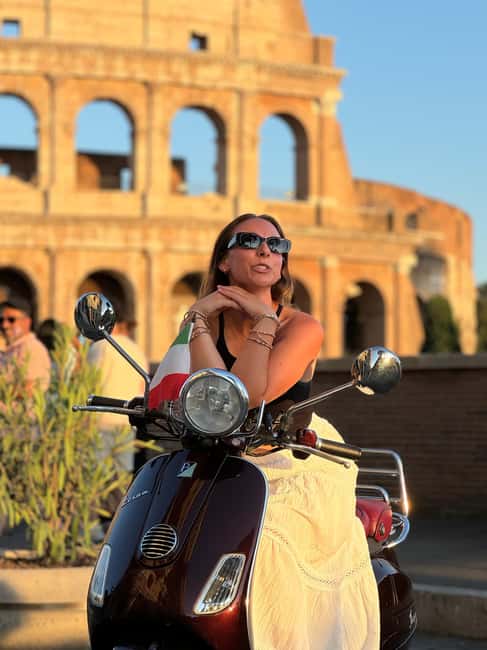
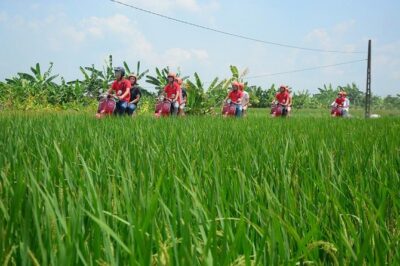
This isn’t a slow walking day where you spend most of your time choosing between cobblestones and crowds. It’s a fast, friendly way to cover Rome’s biggest landmarks while staying comfortable—especially if you want photos, viewpoints, and quick context without exhausting yourself.
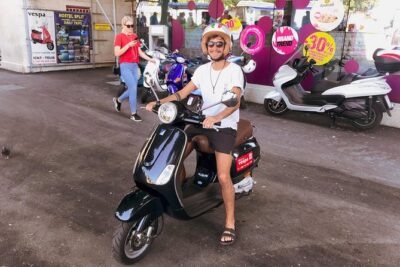
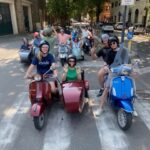
You’ll be a passenger during the ride, which matters more than it sounds. It makes the tour work for people who want the “feel” of a Vespa-style adventure without the pressure of driving, and it keeps the group moving when sidewalks would bottleneck.
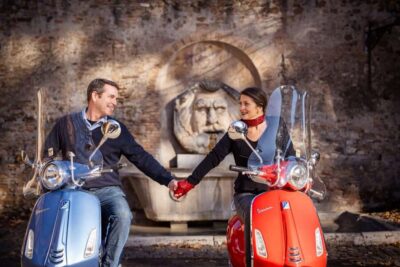
And yes, there’s plenty of Roman atmosphere here: the route is built around squares, fountains, and viewpoints that most people only see in passing. The guide isn’t just calling out street names. You get the quick story behind why each stop matters and what to notice when you’re standing there.
Meeting Point, Being a Passenger, and How to Plan Your Photos
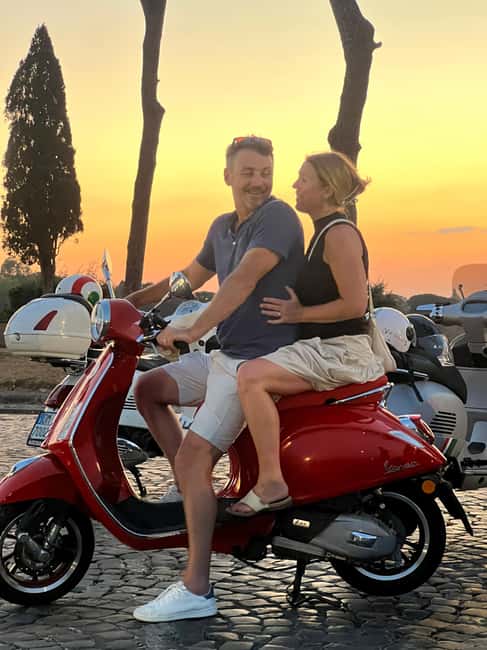
The tour starts at Via Merulana, 281, and the guides wait in front of Bar Molino. That detail can save you time—Rome is confusing when you’re searching on foot, especially if you show up even a little late.
Since the tour runs on photo stops and short guided visits, plan to bring your camera ready. Don’t expect deep roaming at every location; instead, use the moments you’re given. If you want a perfect shot, stand where the guide suggests first, then adjust for your angle while the group is moving.
Also, this is not sold as a ticketed-entry plan. Entry to attractions is not included, so if you want inside visits (not just exterior views and short stops), you’ll need separate planning.
Finally, it’s designed for kids aged six and above. If you’re traveling with younger children, this one won’t fit.
Santa Maria Maggiore and the Colosseum: Big Sights, Smart Timing
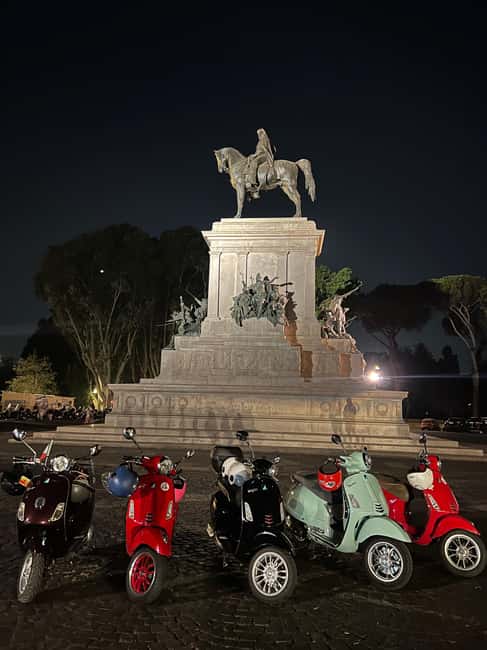
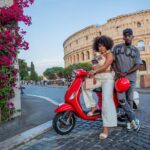
One of the best parts of a short Rome tour is hitting the major monuments while your eyes are still fresh and your legs aren’t begging for mercy. This route includes Santa Maria Maggiore and the Colosseum with photo and guided time.
Santa Maria Maggiore is a strong first stop because it gives you that grand, church-in-a-real-neighborhood feeling. Even if you don’t go deep inside (entry isn’t included), the guided component helps you recognize what you’re seeing and why it’s a big deal in Rome’s story.
Then you move to the Colosseum, and the tour’s value shows up again. You’re not left alone to guess at what matters. A good guide helps you connect the location to the era, and you learn what angles to look for so you’re not just photographing a giant wall.
Drawback to note: you’re there briefly. If you’re the type who likes to linger for 45 minutes at one monument, you may find the timing tight. But if you want to cover the classics and keep momentum, this is a good match.
Circus Maximus, Giardino degli Aranci, and Santa Sabina: Where Rome Gets Calmer
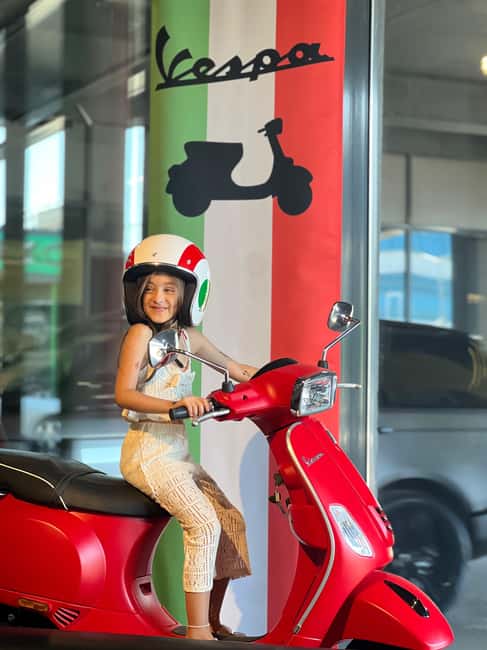
After the big names, the route shifts into places that feel more local and less like a queue simulator. Circus Maximus is included with a short guided stop, which is useful because it’s easy to misunderstand the scale when you’re standing in it. With context from your guide, it clicks faster.
Then comes Giardino degli Aranci, the kind of stop that often gets overlooked by people rushing between the headline attractions. This is one of those places where the payoff is the view and the mood—an orange garden moment that makes Rome feel open and airy, even though you’re still in the center of it all.
Next is Santa Sabina. It’s the type of church stop that benefits from a guide’s quick explanations. Without that, you might see it as just another church facade. With the story, you notice the details that give it character.
This is where the tour’s “local guide” promise really matters. You’re not only transported between sights—you’re coached on what to look for, what to ignore, and how to understand each place in a way that lasts longer than the photo.
Mouth of Truth and Fontana dell’Acqua Paola: The Stop People Remember
The Mouth of Truth shows up on this itinerary with photo and guided time. Even if you’ve heard the Hollywood version, you’ll get more useful context here—enough to make the stop feel grounded in the actual site rather than just a movie reference. It’s one of those experiences where a short guide talk can turn it from a quick snap into a real memory.
Later, you reach Fontana dell’Acqua Paola, where the tour includes a guided stop plus dessert. This matters because it gives you a different kind of pacing: you’re done with the heavy sightseeing portion, and you get a calmer moment that feels like a reward.
This fountain stop is also a good reminder that Rome isn’t only about Roman ruins. It’s a city of fountains, water, and street-level beauty. The dessert component makes that point feel practical, not just poetic.
Spanish Steps, Pincio Terrace, Villa Borghese, Piazza del Popolo, and Tiber Views
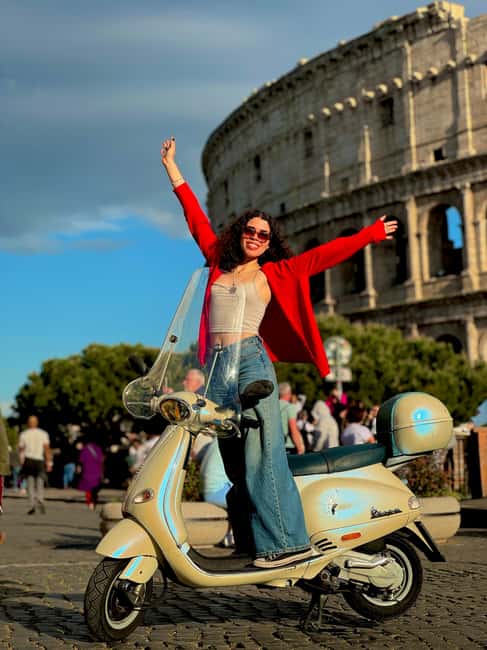
This tour’s highlights specifically call out the Spanish Steps, Terrazzo Pincio, Villa Borghese, and Piazza del Popolo, plus Tiber (river view). That cluster is strategically smart. These are the spots that help you understand Rome from above and from wide-open angles.
The Spanish Steps are famous for a reason: they’re central, photogenic, and easy to recognize. A guide helps you see more than the steps themselves—like how the surrounding streets and vantage points work together.
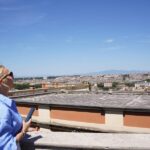
Terrazzo Pincio is valuable because it’s a viewpoint. You’re seeing Rome’s geometry: the way hills, rooftops, and major landmarks align. If you want a quick “I get it now” moment for the city, this kind of viewpoint stop delivers.
Villa Borghese is included as well, which helps you understand why Romans and visitors treat this area as a lifestyle space, not just a park on a map. Piazza del Popolo works in the same way—big square energy, strong visual symmetry, and a sense of arrival.
Then you get Tiber river viewing. Even a short river glimpse helps you connect Rome’s landmarks to the city’s spine. It’s the difference between a list of buildings and a city you can actually picture later.
Gelato, Roman Icy Spring Water, and Dessert Stops That Matter
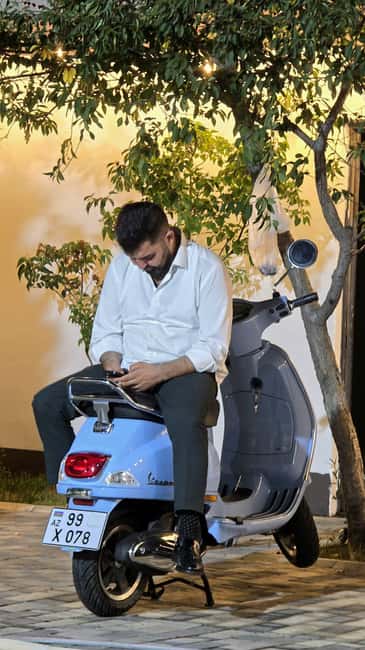
Food breaks aren’t just a perk on this tour. They’re built into the flow, and they help you keep your energy up during a sightseeing sprint.
You’ll be treated to some of the most delicious gelato in Rome during the tour. You’ll also get a chance to taste Roman cristal icy spring water, described as icy and refreshing. These are the kinds of small inclusions that make the trip feel human, not like a transfer between monuments.
One review specifically called out that the granita was superb, which tells me the tour aims to give you something cold and local-feeling, not just prepackaged snacks. And at Fontana dell’Acqua Paola, dessert is also part of the timeline.
What I like about this setup is that it prevents the usual problem with fast tours: you walk past great food opportunities because you’re too busy. Here, the tour brings the tastings to you when you’re ready for them.
Price and Value at $93: When This Tour Beats DIY
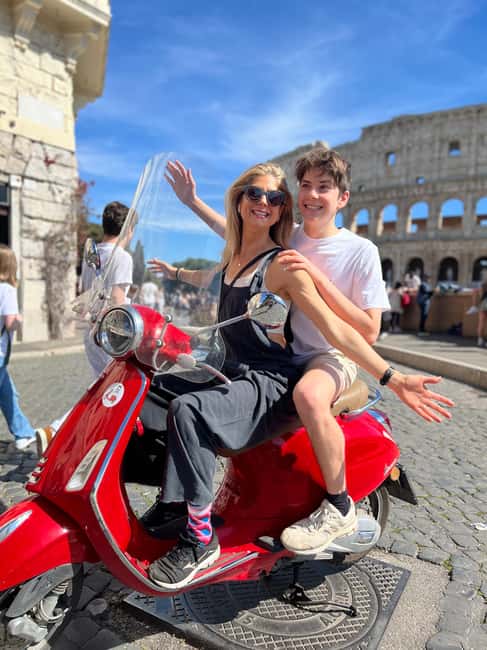
At $93 per person for about 2 hours, the value depends on what you’re trying to do that day. If your goal is to check off a bunch of Rome icons and get a local guide to connect them into one story, this pricing makes sense.
Here’s the value math in plain terms: you’re paying for transportation by Vespa-style cart, a live guide, and set stops at major landmarks plus planned tasting moments. Entry fees are not included, so you’re not paying for museum time you may or may not want.
Where this becomes a smart choice is when you don’t want to spend your day figuring out routes, arguing with your phone map, and losing time to bottlenecks. Rome can be slow even when you move fast. A guided, passenger-only loop helps you maintain momentum without the stress of driving or parking logistics.
If you’re a slow traveler who loves lingering at one place, you might feel like 2 hours is short—one review even suggested that 1.5 hours didn’t feel long enough. Still, short can be good if you want to combine this with a longer second day of wandering.
Guide Quality: Zhan, Marco, Toto, and Ben
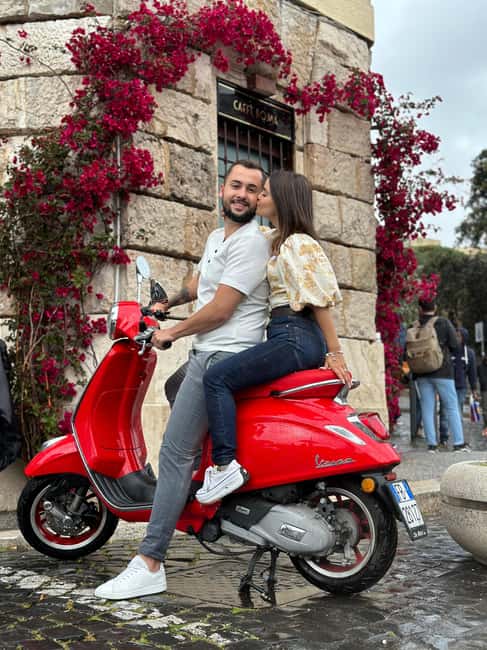
The reviews have a clear theme: the best moments come down to the guide. When the guide clicks, the tour turns into more than a drive-by.
Zhan is mentioned multiple times in standout reviews—praised for being kind, friendly, and so knowledgeable that the time stayed interesting. One person also highlighted that Zhan helped with safety for a very tall, heavy passenger, which is a helpful reminder that good guides manage the real-world details, not just the talking points.
Toto and Ben are also named in a positive review as fabulous guides, with expertise that covered both big viewpoints and narrow alleys. That mix matters. Rome isn’t only about monuments; it’s about the in-between streets where the city’s texture lives.
Marco is praised in one review as the best guide of Rome. Even without details, that kind of wording usually comes from someone who felt looked after and taught something real.
Balanced note: there are a couple of unhappy experiences in the mix, including a no-show situation reported by one traveler. That’s rare, but it’s enough for me to recommend you confirm your meeting instructions and show up early. In a short tour, being late—or missing the guide—hurts more.
Should You Book This Rome Vespa Tour?
Book it if you want a short, guided, passenger-only way to see Rome’s top sights, pick up local context quickly, and enjoy built-in food stops like gelato and dessert. It’s a good fit for first-timers who want direction and for busy schedules where you still want Rome to feel personal.
Skip it if you want lots of time inside attractions, long museum-style pacing, or you dislike brief stops. Also, if you’re traveling with a child under six, it’s not suitable.
My practical rule: if you’re the type who benefits from a guide steering you toward the best angles and the right order, this is worth your time and money. If you prefer to wander independently for hours, use that time for a slower day and book a different experience that matches your pace.
FAQ
How long is the Rome Vespa Tour?
The tour duration is 2 hours.
Where do we meet the guide?
The guides wait in front of the Bar Molino. The starting location is listed as Via Merulana, 281.
What’s included in the price?
The included items are the Vespa tour and a live guide.
Is entry to attractions included?
No. Entry to attractions is not included.
What languages are available for the live guide?
The live tour guide is offered in Azerbaijani, English, Russian, and Turkish.
Is the tour suitable for children?
Children aged six and above are welcome. It is not suitable for children under 6 years.