REVIEW · HANOI
Hanoi Vespa Tours: Hanoi Vintage Vespa Tours Countryside
Book on Viator →Operated by Asia Motorbike Adventures · Bookable on Viator
One half-day, two centuries of Hanoi life. This countryside Vespa tour takes you off the usual city loop and into Vietnam’s Red River Delta rhythm, with stops at historic sites, a traditional house visit, and a craft village stop along the way. You start at the Hanoi Opera House area, ride a vintage scooter for much of the journey, and finish back in town with a local meal.
I love the vintage Vespa experience itself, especially the feeling of crossing from Hanoi into rural lanes without it turning into a long bus ride. I also love how the plan mixes big sights with personal moments like tea chats and the chance to see a war veteran owned bonsai garden in a 200-year-old home.
One possible drawback: this is a scooter-based tour for about 4 hours, so you’ll want to be comfortable riding on the back and spending time in outdoorsy, sometimes wet weather.
In This Review
- Key highlights to look for
- A Vintage Vespa Ride That Gets You Out of Hanoi Fast
- Long Bien Bridge: The Quick Route From City Noise to Red River Delta Roads
- Co Loa Citadel and Farm Time: History Meets Everyday Agriculture
- Hồ Trúc Bạch Finish and the Local Restaurant Meal
- Lại Đà Temple, Pagoda, and a 200-Year-Old House With Bonsai
- Hội Phụ Broomstick Making: A Craft Stop You Can Actually Watch
- Price and Value: What $59 Covers in Real Terms
- Guides, Safety, and the Small-Group Advantage
- Practical Tips for Getting the Most From Your Half-Day
- Who Should Book This Hanoi Countryside Vespa Tour
- FAQ
- FAQ
- How long is the Hanoi Vintage Vespa countryside tour?
- What does the tour cost?
- Where do I meet for the tour?
- Does the tour include pickup?
- What stops are included during the ride?
- Is admission included for the stops?
- Is there a group size limit?
- What is the cancellation policy?
- What kinds of tickets and confirmation do I receive?
Key highlights to look for

- Vintage Vespa countryside riding: You get the classic Hanoi-to-rural feel, not just a drive with photos.
- Long Bien Bridge stop: A short, scenic reset before the tour really moves into the villages.
- Co Loa Citadel area + farm time: Time to see everyday agriculture alongside historical ground.
- Lại Đà tea and temple/pagoda visit: A slower, human-scale stop at religious sites and a historic home.
- Hoi Phụ broomstick making: A craft you can watch in the Red River Delta tradition.
- Small group size (max 15): Easier to ask questions and keep the day feeling personal.
A Vintage Vespa Ride That Gets You Out of Hanoi Fast
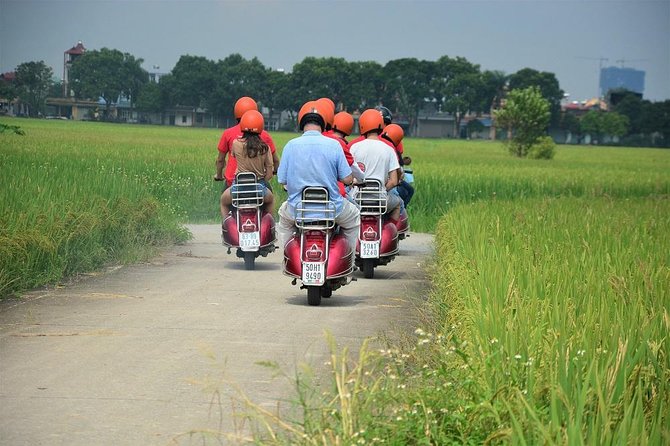
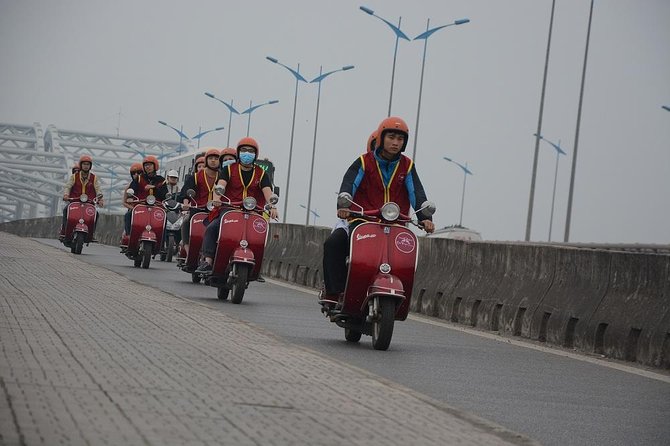
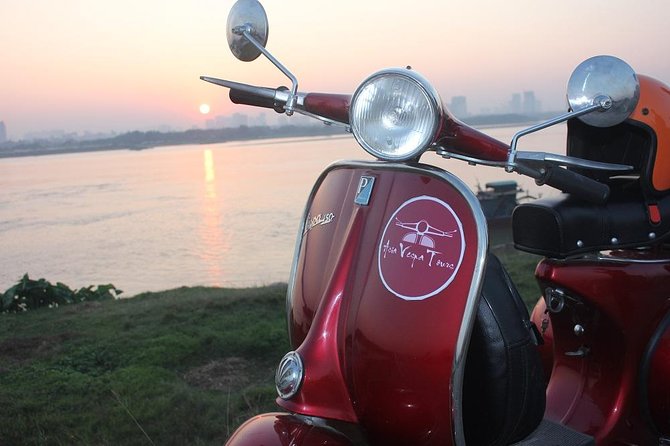
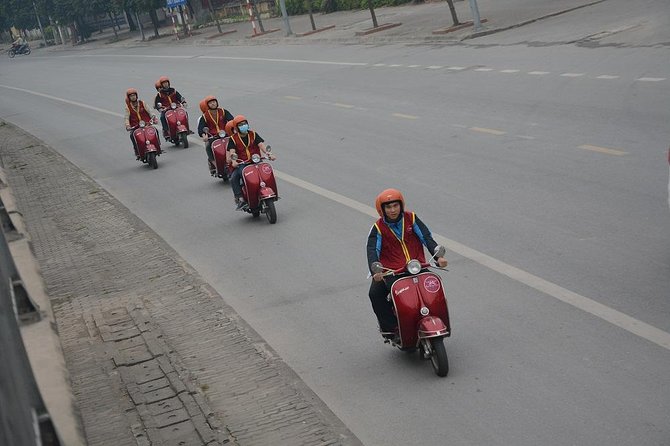
This tour is built around one strong idea: Hanoi is great, but it’s also crowded. So the best part of the day is the shift. You meet near the Hanoi Opera House, then head out on a vintage Vespa style ride that quickly turns urban streets into wider, calmer countryside roads.
The day runs about 4 hours, so it’s short enough to fit even if you land in Hanoi today or you only have one half-day to spare. The group is capped at 15, which matters more than people think. With a smaller group, you lose less time waiting, and you’re more likely to get real answers when you ask questions.
Your ride is the main “transport activity,” but it’s not just driving. The schedule includes multiple stops that each aim at a different side of rural northern Vietnam: history, farms, religious sites, craft work, and a local meal to close the loop.
Long Bien Bridge: The Quick Route From City Noise to Red River Delta Roads
Your first major stop is the Long Bien Bridge area, with about 30 minutes on the schedule. This is the point where the tour switches gears. Crossing out from Hanoi, you’re no longer viewing the countryside from a bus window. You’re on a scooter, moving with the road, and the views feel closer and more immediate.
What you should like here is the pacing. The bridge stop isn’t long, but it’s long enough to get context and a sense of direction before you reach more village-focused areas. It’s also a helpful mental warm-up if you’re brand-new to Hanoi traffic. After this initial stretch, the rest of the day feels more like exploration than “just getting there.”
Downside to consider: bridge and road time can be a bit weather-sensitive. Northern Vietnam can change quickly, and if it rains during your ride, you’ll still be outside much of the time.
Co Loa Citadel and Farm Time: History Meets Everyday Agriculture
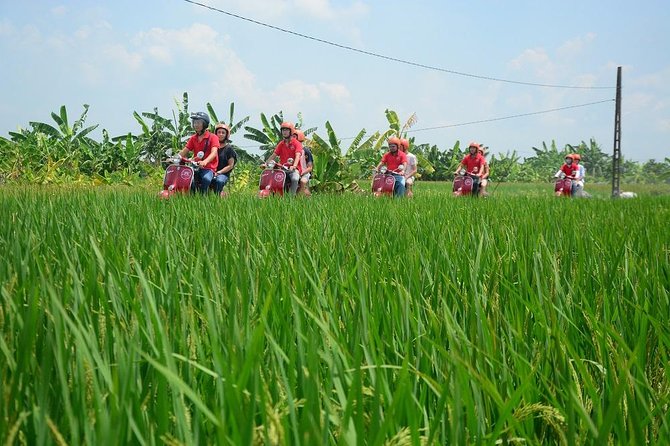
After the first bridge moment, the tour moves into the Co Loa Citadel area, with about 2 hours allocated. This is one of the longest chunks of the tour, and that’s a clue: it’s meant to be more than a quick photo stop.
There’s also a farm stop built into this section. You’ll have time to see traditional agricultural practices up close, which is a big part of why this half-day feels different from typical “temples and then lunch” tours. Instead of separating history from living culture, the schedule nudges you to notice how daily work connects to the landscape and communities around it.
What to expect here:
- A ride that gradually shifts toward quieter roads and rural activity
- A longer hold so you can actually look and ask questions
- A mix of structured sight time and small moments of everyday life
Potential drawback: because this portion is longer, it helps if you’re genuinely curious about how people farm and how that fits with Vietnam’s older sites. If you mainly want passive sightseeing with minimal walking and talking, you might find this section more interactive than you hoped.
Hồ Trúc Bạch Finish and the Local Restaurant Meal
The tour’s next phase ends at a local restaurant in town around the Hồ Trúc Bạch area, with about 45 minutes set aside. This is where the day stops being “watch and ride” and becomes “eat and reset.”
The meal is described as authentic Vietnamese cuisine, which matters for value. A lot of countryside tours leave you hungry or send you to a place that feels touristy by accident. Here, the plan is to feed you as part of the tour experience, and then return you back to your hotel area at the end of the day.
A practical detail: this stop also acts like a buffer. After temple and village visits, food time gives you a chance to slow down, regroup, and cool off.
Downside to consider: you might want to pace yourself with drinks here. If you’ve been riding and then you suddenly sit down for a bigger meal, it can feel a bit rushed if you’re also trying to keep track of the scooter schedule.
Lại Đà Temple, Pagoda, and a 200-Year-Old House With Bonsai
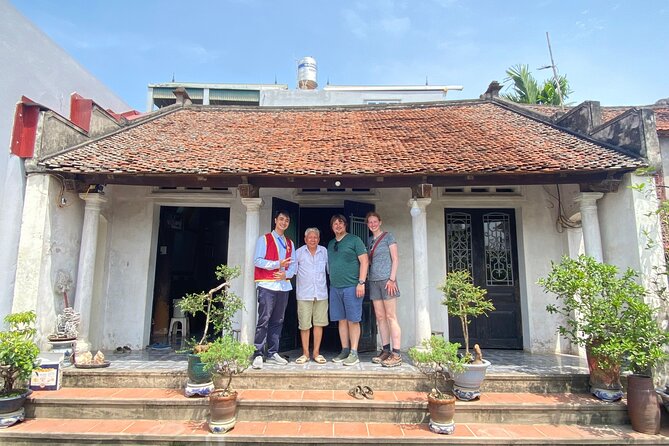
The Lại Đà stop is one of the most personal parts of the itinerary, and it’s also where the tone slows down. You’ll spend about 25 minutes, with temple and pagoda time plus a traditional 200-year-old house visit featuring privately owned bonsai gardens belonging to a war veteran.
This combination is the point. It’s not just religious architecture. It’s the way personal family heritage sits next to faith and daily life. The tour also includes conversation over a cup of tea, which is where you get something you can’t buy back home: lived-in context.
What you should pay attention to in this part:
- How the house feels older than the tourism rhythm around it
- The bonsai setting as a window into patience, memory, and identity
- The tea conversation as a chance to ask about daily routines and customs
Practical consideration: religious sites usually mean you’ll want to dress respectfully and move carefully. You’ll likely do some walking on uneven ground, so comfortable shoes are a smart call.
Hội Phụ Broomstick Making: A Craft Stop You Can Actually Watch
For about 15 minutes, the tour visits Hội Phụ, known for traditional broomstick making in the Red River Delta. This is the “hands-on but short” stop that breaks the day up.
Craft stops work best when they’re observational and specific, and this one fits that model. You get to see a known local craft, which helps you connect the rural setting to practical skills that people rely on for daily work.
Why I think this is a good use of time: many tours add a market or two but don’t show what people make. A brief craft stop gives you a different kind of understanding, and it’s often easier to enjoy than another long history stop.
Possible drawback: if you’re hoping for a deeper workshop-style experience, the time is short here. You’ll likely watch and learn, not spend hours producing anything yourself.
Price and Value: What $59 Covers in Real Terms
At $59 per person for about 4 hours, this isn’t a “budget transport only” deal. You’re paying for more than a ride. The tour includes:
- A vintage Vespa countryside experience
- Pickup offered (when arranged) and a clear start point near the Hanoi Opera House
- Multiple listed stops, including places with admission tickets included in the schedule (for example, Long Bien Bridge and Co Loa Citadel)
- A local restaurant meal at the end
- Extra cultural time like tea and the craft village stop (some admission listed as free)
Where the value becomes real is in the mix. You’re not just ticking off a list of sights. You’re getting transportation + guided timing + cultural access (including that historic home and bonsai garden time) in a half-day window. That’s hard to replicate on your own unless you’re already comfortable hiring a motorbike and building your own route.
If you’re deciding between this and a more standard city tour, the cost feels fair because it buys you distance. You get out of central Hanoi and into areas you’d likely skip on your own.
Guides, Safety, and the Small-Group Advantage
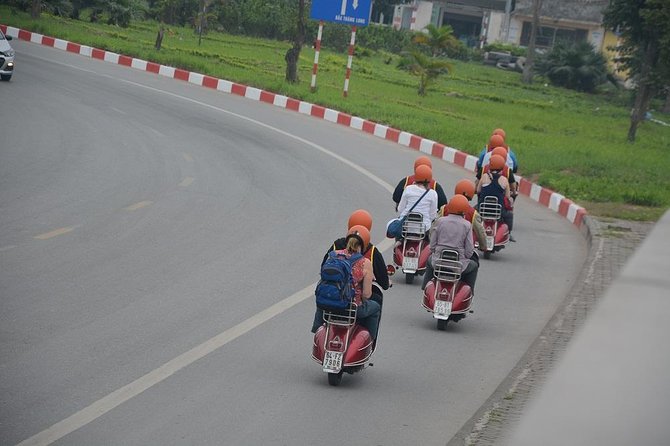
One of the most praised parts of this type of tour is the way the drivers handle the road. In multiple accounts, specific driver names show up with compliments for being professional and friendly, including guides and riders such as Hòa, Anh, Crist, Ninh, and riders including Huygens, Su, Shang, Bao, and Perry.
That’s not just name-checking. It matters because scooter tours only work when you feel safe and cared for. A good driver changes the whole experience. You relax more, look around more, and enjoy the stops instead of bracing for traffic.
Also, smaller group size helps with this. With a maximum of 15, it’s easier to keep everyone together and for your guide to handle questions and pacing without the chaos of a large bus day.
Weather can change during a half-day like this too. One past run included rain halfway through, and the guides still aimed to make the experience work. So if your travel dates are monsoon season, pack for wet conditions.
Practical Tips for Getting the Most From Your Half-Day
You’ll enjoy this tour more if you plan for it as a ride-first day, not a museum day.
- Start early in your mindset: you’ll begin near the Hanoi Opera House area, and the day flows from stop to stop.
- Bring a rain layer if rain is possible. The route is outdoors-heavy for a reason.
- Bring a charged phone or camera. The tour is designed for pictures, especially the bridge area and rural village views.
- Come with a couple of simple questions for the tea chat. If you’re curious about daily life and customs, this is the moment to use it.
And a small one that really matters: wear comfortable footwear. Temple and home visits mean you’ll probably want stable footing rather than slippery shoes.
Who Should Book This Hanoi Countryside Vespa Tour
Book this if you want:
- A short way to see rural northern Vietnam without losing a full day
- A vintage Vespa experience that actually takes you beyond central Hanoi
- A mix of history, village life, and food, including a tea conversation and craft viewing
Skip it (or choose another style) if:
- You don’t like scooter rides and the idea of spending most of the 4 hours in transit
- You want a slow walk-heavy itinerary with lots of time at each single attraction
FAQ
FAQ
How long is the Hanoi Vintage Vespa countryside tour?
It runs about 4 hours (approx.).
What does the tour cost?
It costs $59.00 per person.
Where do I meet for the tour?
The meeting point is Hanoi Opera House, 1 Tràng Tiền, Phan Chu Trinh, Hoàn Kiếm, Hà Nội, Vietnam.
Does the tour include pickup?
Pickup is offered.
What stops are included during the ride?
The itinerary includes Long Bien Bridge, Co Loa Citadel, Hồ Truc Bạch (restaurant end), Lại Đà (temple/pagoda and a 200-year-old house with bonsai), and Hội Phụ (broomstick making).
Is admission included for the stops?
Admission tickets are listed as included for Long Bien Bridge and Co Loa Citadel, while Lại Đà and Hội Phụ are listed as free admissions.
Is there a group size limit?
Yes, the maximum group size is 15 travelers.
What is the cancellation policy?
You can cancel for free up to 24 hours in advance for a full refund.
What kinds of tickets and confirmation do I receive?
You receive a mobile ticket, and confirmation is received at the time of booking.