REVIEW · ROME
Vespa Voyage: Scenic Routes of Rome
Book on GetYourGuide →Operated by KAYA · Bookable on GetYourGuide
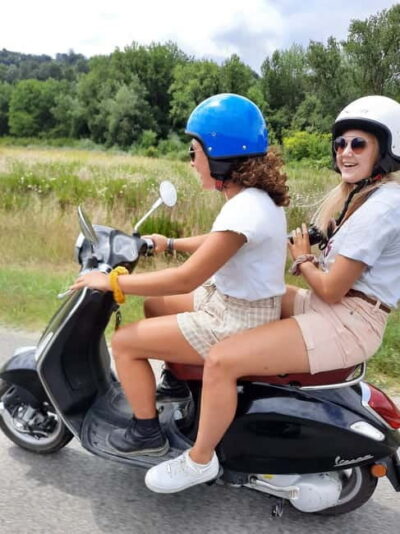
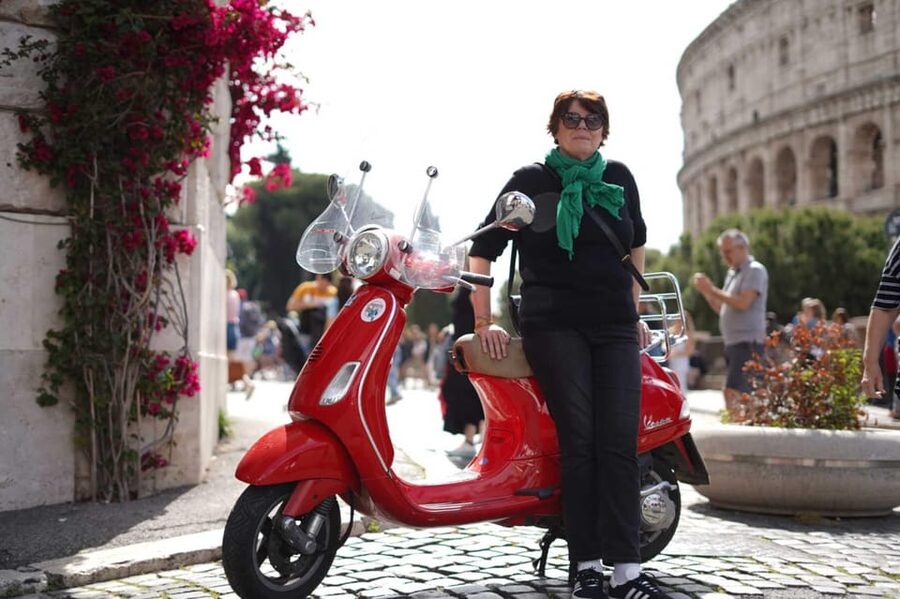
Rome on a Vespa feels like a cheat code. You get fast access to the Colosseum area, plus scenic passes and short walks that make the big sights easier to place in your head.
What I like most is the mix of riding and stopping. You’re out on the street with the wind in your hair, yet you still get intentional breaks at the viewpoints, including Giardino degli Aranci for that famous framed view of St. Peter’s dome.
One thing to consider: you’re on the Vespa as a passenger only, with a maximum passenger weight limit of 100 kg (220 lbs). If you’re over that, or you don’t want to ride behind a driver, this won’t be your best fit.
In This Review
- Key Things That Make This Vespa Rome Tour Work
- How the Vespa Voyage Route Helps First-Time Rome Make Sense
- Meeting Options by the Colosseum: Where to Start
- Colosseum Exterior Viewing: What You Gain Without Going In
- Roman Forum and Palatine Hill Pass-By: Seeing the Core Quickly
- Circus Maximus: Imagine the Chariot Races, Then Move On
- The Wind-Down Stop: Giardino degli Aranci (Orange Garden) and the St. Peter’s Dome View
- Trastevere Pass-By and Gianicolo Hill: Best Views Come at the Right Time
- Piazza Navona Finale: Fountains, Foot Traffic, and an Ancient Stadium Site
- Price and Value: Why $65 Can Make Sense for a Rome Highlights Day
- Safety, Comfort, and What You Should Be Ready For on the Vespa
- Who This Tour Suits Best (and Who Might Want a Different Plan)
- Should You Book Vespa Voyage: Scenic Routes of Rome?
- FAQ
- Where does the tour start?
- How long is the Vespa tour?
- Is this a private or small-group tour?
- What’s included with the tour?
- Will I drive the Vespa?
- Is pickup available?
- What is the weight limit for passengers?
Key Things That Make This Vespa Rome Tour Work
- Colosseum from the outside: you see the amphitheater’s exterior details without needing a ticketed entry plan
- Forum + Palatine Hill + Circus Maximus in one flow: big-ticket ancient spaces passed efficiently on the way between stops
- Giardino degli Aranci optical illusion: established in 1932, it’s built to line up the dome of St. Peter’s Basilica
- Gianicolo Hill break for panoramas: a dedicated pause with a 15-minute window to look and take photos
- Piazza Navona as a fun landing spot: fountains and street life around a former Stadium of Domitian site
- Safety and comfort details baked in: helmets are included, and the guide focus is on a controlled, confidence-building ride
How the Vespa Voyage Route Helps First-Time Rome Make Sense
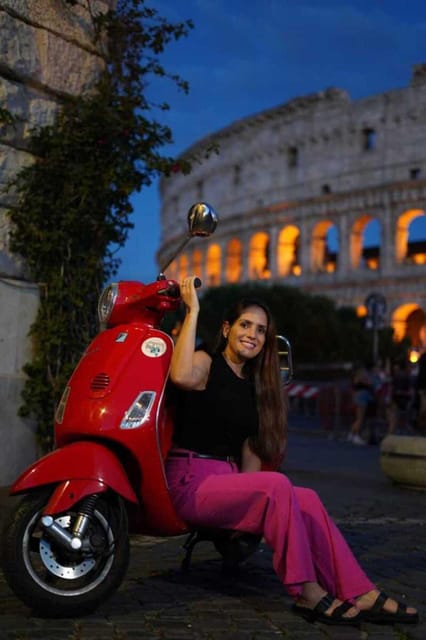
Rome can feel like a blur if you try to do everything on foot. This experience keeps your time tight and your bearings clear by stringing together a practical arc of sights: the Colosseum zone, then the classic ancient corridor (Roman Forum and Circus Maximus), then panoramic breaks, and finally Piazza Navona.
The big advantage is that you’re not just collecting photos. You’re also building a mental map fast. When you move from Colosseum area to Forum/Palatine viewpoints to a high ridge, you start to understand how Rome’s neighborhoods and historic sites relate to each other.
It’s also a good way to experience Rome like a local. A Vespa isn’t just transportation here. It changes your pace and your energy, so you actually enjoy being outside instead of timing buses or planning parking.
Meeting Options by the Colosseum: Where to Start
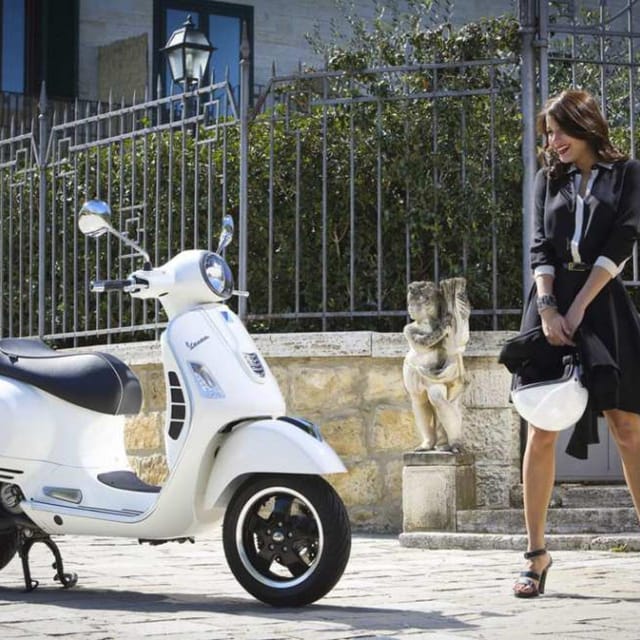
The tour centers on the Colosseum zone, but the materials list two possible start points. One is Oppio Caffè at Via delle Terme di Tito, 72. The other meeting point is Caffè Roma right in front of the Colosseum at Via de Colesseo, 31.
On top of that, pickup is optional. If you select pickup, the experience can begin from the address you provide. Since both names and addresses appear in the info you were given, I’d treat start location as something to confirm when you book, so you show up at the correct café.
Either way, arriving near the Colosseum is a win. You start the ride with a landmark you’ll recognize, so the rest of the loop feels connected rather than random.
Colosseum Exterior Viewing: What You Gain Without Going In
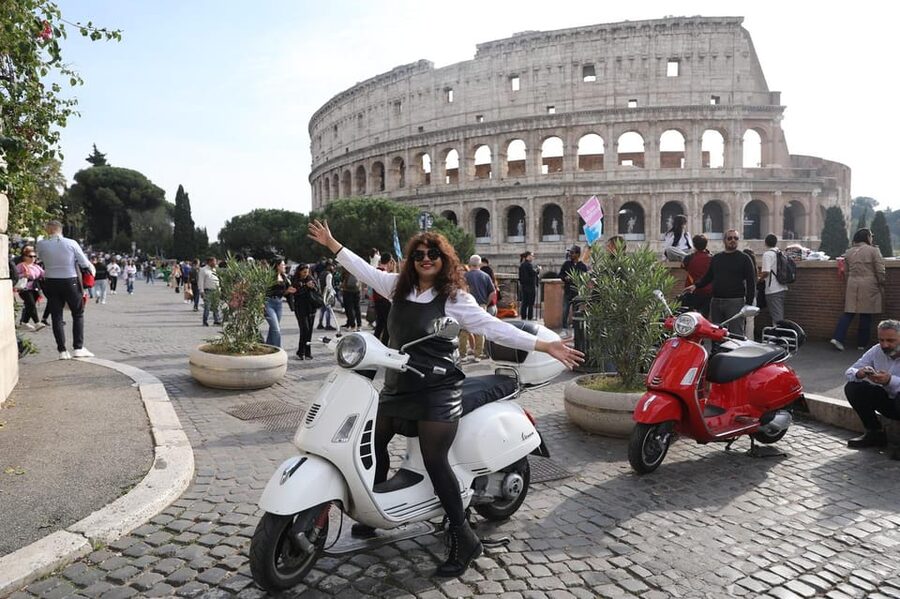
You’ll see the Colosseum from the outside at the beginning. The amphitheater dates to 80 AD, and it was used for gladiatorial contests and public spectacles. Even without entering, the exterior gives you a sense of scale you can’t get from a single street-level glance.
Here’s what matters for your day: the Colosseum exterior view acts like an anchor. Once you’ve got it in sight, the surrounding ancient landscape becomes more readable as you pass Roman Forum and Palatine Hill later.
A practical note: your time is limited. So this tour is best if you want the highlight sweep and don’t want to build an entire ticket-and-entry day around one site.
Roman Forum and Palatine Hill Pass-By: Seeing the Core Quickly
The route takes you past the Roman Forum and Palatine Hill. The Forum is described as dating back to the 7th century BC, and it served as the nucleus of Roman public life—politics, commerce, and daily life in one concentrated area.
Because this is a ride-and-walk style day, you won’t get a slow, museum-style experience. What you do get is the best version of speed: you see the shapes of the spaces, then you move on while the mental picture is still fresh.
Palatine Hill adds that “Rome on a hill” perspective. It also helps you understand why the area became symbolic, because you’re literally in motion through the same corridor people traveled thousands of years ago—just with less dust.
If you’re the type who wants to stand and read every plaque, you might want to pair this with a separate, deeper visit later. But for most first-time Rome trips, a pass-by like this does a lot of work for very little time.
Circus Maximus: Imagine the Chariot Races, Then Move On
Next comes Circus Maximus, the stadium used for chariot races. The info you were given says it could attract up to 250,000 spectators, and it measured over 600 meters in length.
Even if you don’t picture every detail, the scale sticks. Seeing Circus Maximus as part of a moving route helps you feel how Rome staged huge events in open-air arenas—long before modern stadiums.
One slight drawback is that this stop is mainly a pass-by. If you’re hoping for a long on-foot exploration or interpretation in place, this won’t be that. Still, as a value play within a 1 hour to 75 minutes outing, it’s a strong inclusion.
The Wind-Down Stop: Giardino degli Aranci (Orange Garden) and the St. Peter’s Dome View
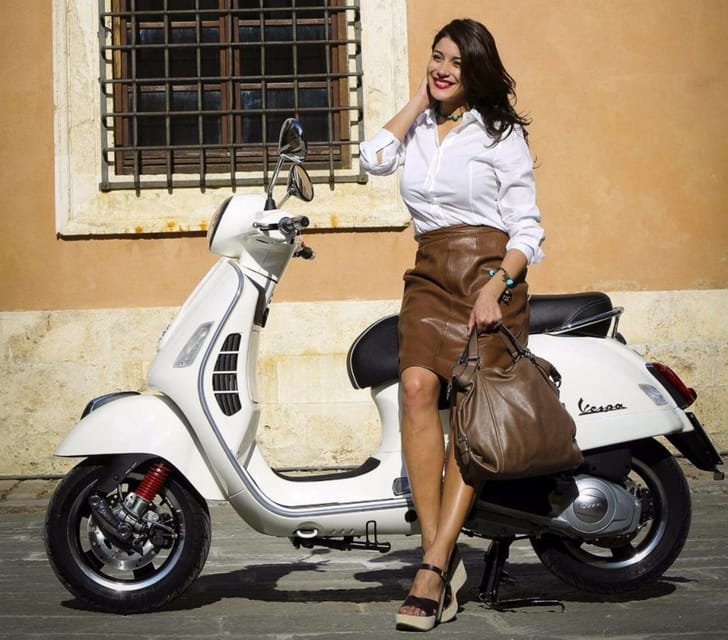
This is where the tour slows just enough to become memorable. You get a break at Giardino degli Aranci, also known as the Orange Garden, with a 10-minute pause.
The standout detail is the design for an optical illusion. The garden was established in 1932, and it’s known for framing the dome of St. Peter’s Basilica in a precise way. The panoramic view also includes a skyline look over central Rome.
What you’ll appreciate here is the contrast. You go from centuries-old ruins passed from the street into a modern city view point that still tells the story of Rome’s layers—ancient structure in the background, church dome lined up in the foreground.
If you care about photos (and most people do), this is your high-value stop. The tour schedule gives you a short window to look, shoot, and reset before continuing to Gianicolo.
Trastevere Pass-By and Gianicolo Hill: Best Views Come at the Right Time
After the Orange Garden, the route passes through Trastevere. You’re not stuck inside it for long, but it’s a quick taste of another Rome personality—especially the feeling of moving through different neighborhoods rather than staying locked to one ancient zone.
Then you head to Janiculum Hill (Gianicolo Hill). This is your second dedicated view break, with a 15-minute stop. The hill is known for being one of Rome’s best panoramas, and it also has historical significance as a key defensive point during the Roman Republic.
This combination matters. You get both the practical payoff (a wide view over the city) and a sense of why the location was strategically important long before it became a selfie spot.
The time window is short by design. That’s the trade-off for fitting so many major stops into a tight duration. For me, 15 minutes is about right: long enough to settle and take pictures, short enough that you don’t lose momentum or feel rushed by the rest of the day.
Piazza Navona Finale: Fountains, Foot Traffic, and an Ancient Stadium Site
The tour ends at Piazza Navona, one of Rome’s busiest-feeling squares (and one of the easiest places to keep the fun going afterward). The info you were given notes it sits on the site of the ancient Stadium of Domitian, built in the 1st century AD.
The fountains make the space instantly recognizable:
- Bernini’s Fountain of the Four Rivers
- the Moor Fountain
- the Fountain of Neptune
For a 1 hour to 75 minutes tour, ending here is smart. You don’t just finish at a monument and disappear. You land in a walkable area where you can grab a drink, pick a restaurant, and keep sightseeing with less planning.
One practical point: the tour ends at Piazza Navona, not at the same exact starting spot. So think about your next step before you finish—where you want to go for dinner or a final stroll.
Price and Value: Why $65 Can Make Sense for a Rome Highlights Day
At $65 per person for a ride-and-stop route lasting roughly 1 hour to 75 minutes, you’re paying for three things that add up quickly in Rome:
- A driver guide in English handling navigation and timing across multiple major sights
- Helmet included, which is part safety and part comfort on a motorbike ride
- Sight coverage efficiency, where the route links the Colosseum area, Forum/Palatine, Circus Maximus, and two viewpoints, then wraps at Piazza Navona
If you’d otherwise spend your day hopping between scattered sites using taxis or separate tours, this is a straightforward way to concentrate your time. It’s especially worth it if you’re visiting for a short window and want the big “Rome hits” without turning every day into a logistics puzzle.
Where it might not be value for you: if you love slow wandering, deep museum time, or spending long minutes at each ruin. This tour prioritizes movement and high-impact stops. It’s a highlight sampler with smart photo breaks, not a full interpretive course.
Safety, Comfort, and What You Should Be Ready For on the Vespa
This is not a self-drive experience. You’ll be on the Vespa as a passenger, and the driver handles the riding.
Two practical rules from the info you were given:
- Maximum passenger weight limit: 100 kg (220 lbs)
- You’re a passenger only, so you don’t need motorbike skills—but you should feel comfortable sitting upright and enjoying the ride
The materials also confirm helmets are provided, and the driver is English-speaking. In the strong run of ratings and comments tied to safety, the common thread is that people felt confident on the ride and liked the pacing and stop timing.
If you’re worried about comfort, pay attention to simple basics: wear weather-appropriate clothes, keep your phone secured, and be ready for street noise and motion. This is an outdoor ride through real city traffic, not a closed-course vehicle tour.
Who This Tour Suits Best (and Who Might Want a Different Plan)
This Vespa loop is a great match if you:
- want a first-time Rome overview that actually connects sights
- like photography stops with short, planned breaks at viewpoints
- enjoy a lively mode of transport that turns sightseeing into an experience, not just walking
- value having an English-speaking guide who can help you understand what you’re seeing as you go
It’s less ideal if you:
- are over the 100 kg / 220 lbs limit
- strongly prefer to spend long periods on foot at ruins and monuments
- want to do deep, slow study at one site rather than a curated highlight sweep
Should You Book Vespa Voyage: Scenic Routes of Rome?
I’d book it if your goal is to get a Rome highlight route done in a small time window while still stopping at the best photo and view points—Giardino degli Aranci and Gianicolo Hill—and ending with a classic Rome finish at Piazza Navona.
Skip it if you’re chasing a long, detailed deep-dive at each ancient site. This tour gives you the big hits fast, then hands you back your time to keep exploring.
If you do book, one smart move is to confirm which start spot you’ll use—Oppio Caffè (Via delle Terme di Tito, 72) or Caffè Roma in front of the Colosseum (Via de Colesseo, 31)—and whether pickup is selected. That little check prevents early-day confusion and keeps your ride stress-free.
FAQ
Where does the tour start?
The meeting points listed are Oppio Caffè at Via delle Terme di Tito, 72, or Caffè Roma right in front of the Colosseum at Via de Colesseo, 31. Pickup may also be available from the address you provide.
How long is the Vespa tour?
The duration is listed as 1 hour to 75 minutes.
Is this a private or small-group tour?
Yes. The tour is offered as private or small groups.
What’s included with the tour?
The tour includes a driver and a helmet.
Will I drive the Vespa?
No. You ride as a passenger on the Vespa.
Is pickup available?
Pickup is optional. The tour can start from the address you provided.
What is the weight limit for passengers?
The maximum passenger weight limit is 100 kg (220 lbs). It is not suitable for people over 220 lbs (100 kg).