REVIEW · ROME
Vespa Sidecar Tour: Rome by Night
Book on Viator →Operated by Luxurbe · Bookable on Viator
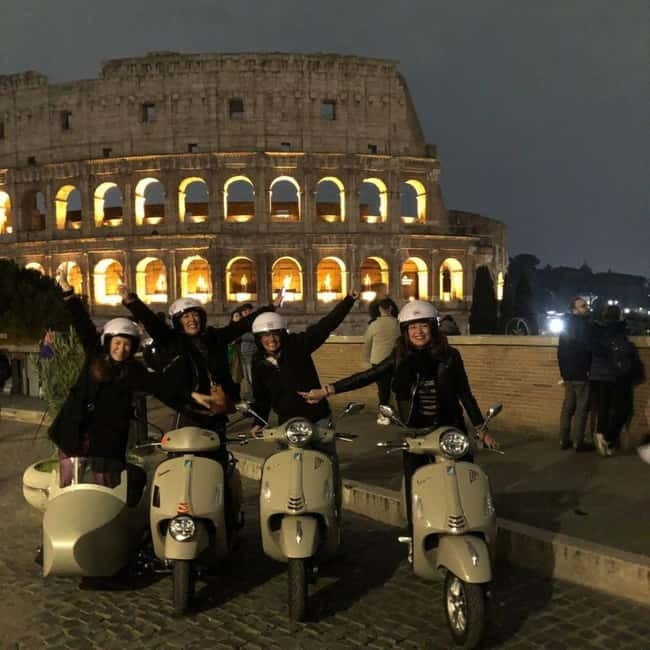
Night Rome feels different from a Vespa. This Rome by night tour lets a driver handle the traffic while you focus on the sights, with an English-speaking guide and frequent photo stops along the way. The route is timed for atmosphere after dark, from Piazza del Popolo to Trastevere, without you needing to navigate narrow streets or parking nightmares.
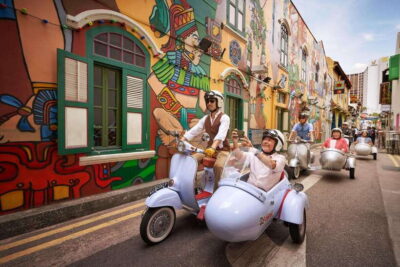
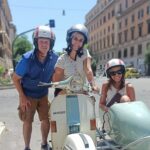
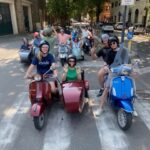
I especially like the small group size (no bigger than nine). It keeps the pace personal, and it also makes it easier for your guide to adapt what you want to see on the fly. I also like that you’re riding in a Vespa sidecar with certified helmets included, so you get the fun factor without pretending safety is optional.
The one catch is the stop style: you’ll get quick looks and photo moments, not long museum-style time at every landmark. If you want to linger inside churches or take your time reading every inscription, you may find the short stop durations a little tight.
In This Review
- Key Things You Should Know Before You Ride
- Why a Vespa Sidecar Tour Works for Rome After Dark
- Price, Time, and What $131.04 Buys You
- Piazza del Popolo: The Perfect Starting Point for Night Bearings
- Piazza del Popolo Details You’ll Want to Catch in Photos
- Trevi Fountain at Night: Baroque Drama and the Coin Ritual
- Pantheon: The Dome-and-Light Moment
- Piazza Navona: Stadium Bones and Three Famous Fountains
- Piazza Venezia and the Monumental Crossroads
- Colosseum Photo Stop: You Don’t Need Hours to Feel It
- Ghetto Neighborhood: Ruins, Shops, and Community Memory
- Colle del Gianicolo: Views Plus a Noon Cannon Detail
- St. Peter’s Square: Bernini’s Embrace and a Vatican-Scale View
- Trastevere at Night: The Streets That Invite Extra Walking
- Guide Team and the Family-Friendly Feel
- Who This Tour Is Best For
- Should You Book Vespa Sidecar Tour: Rome by Night?
- FAQ
- How long is the Vespa Sidecar Tour: Rome by Night?
- Is the tour offered in English?
- Is hotel pickup included?
- How big is the group?
- Are entrance tickets included for monuments?
- Where does the tour start?
- Is there free cancellation?
Key Things You Should Know Before You Ride
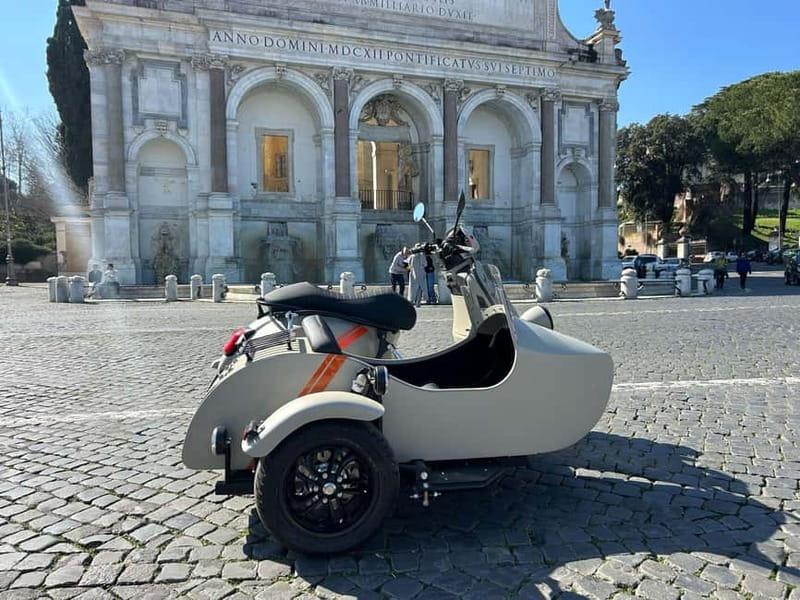
- Your driver handles traffic, so you can actually look around instead of white-knuckling the route.
- Hotel pickup is optional, and the team shows up with a clear 10-minute waiting window.
- Group size stays under nine and the tour is private for your group.
- Photo stops at major landmarks keep you moving, with free viewpoints at each listed stop.
- Certified helmets are provided, which matters in Rome traffic and cooler night air.
- You can request audio guides (if available), for extra context while you’re out riding.
Why a Vespa Sidecar Tour Works for Rome After Dark
Rome at night has a different rhythm. Streets feel calmer than daytime, but the city is still busy, and drivers are still driving like they have somewhere to be right now. The smartest part of this tour is that you don’t have to play that game.
You sit back in the sidecar setup while your driver handles the route and the traffic flow. That means you can spend your energy on the city itself—facades, domes, obelisks, and the way squares change after dark.
It’s also a good fit for first-timers. You’ll cover major “must-see” landmarks in about three hours without a hop-on-hop-off scramble or multiple taxi lines. And because it’s a small, private group, it doesn’t feel like you’re getting swept along with a giant crowd.
Price, Time, and What $131.04 Buys You
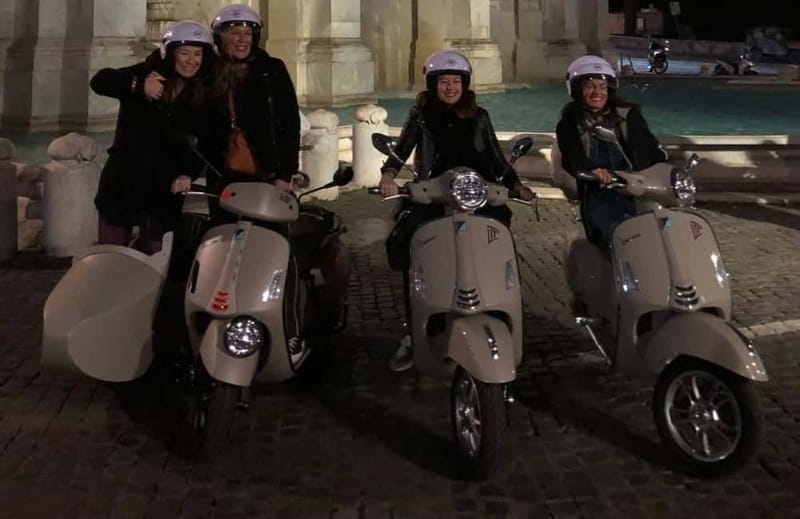
The cost is $131.04 per person for about 3 hours. For that price, you’re not just paying for transportation. You’re paying for guided time, photo stops at iconic sights, and the convenience of optional hotel pickup.
Here’s what you get included:
- Guided sightseeing with an English-speaking driver/guide
- Photo stops at the main landmarks
- Hotel pickup and drop-off if you select it
- Certified helmets
- A mobile ticket
- Audio guides provided upon request, if available
What’s not included:
- Gratuities (optional)
- Entrance tickets to monuments/attractions
- Food and drinks
Value check: if you’d otherwise spend money on taxis plus a guide plus time “getting from A to B,” this is often a cleaner deal. The main trade-off is time. You’ll see a lot, but in short bursts.
Piazza del Popolo: The Perfect Starting Point for Night Bearings
Your tour starts in Piazza del Popolo, at Piazza del Popolo, 11, 00187 Roma RM, Italy. The first thing you’ll notice is how the square works like a “front door” to the city—especially if you’ve never oriented yourself in Rome before.
This area also gives you a dramatic opening view. The center holds a 3,000-year-old Egyptian obelisk that Emperor Augustus brought to Rome. And the square is framed by the twin churches: Santa Maria in Montesanto and Santa Maria dei Miracoli. It’s symmetrical, photogenic, and exactly the kind of scene your brain needs before the rest of the night.
Piazza del Popolo Details You’ll Want to Catch in Photos
There are a few specifics here that make the stop more than just a quick photo:
- The obelisk is an ancient anchor, so the place feels older than it looks.
- The twin church facades create a neat visual balance, which looks great from the right angles when you’re taking pictures fast.
- Overlooking the square is Pincian Hill, which the guide uses as part of the panoramic framing for the next legs.
If you like geometry in cities—lines, balance, “why does this look so perfect”—this stop delivers quickly.
Trevi Fountain at Night: Baroque Drama and the Coin Ritual
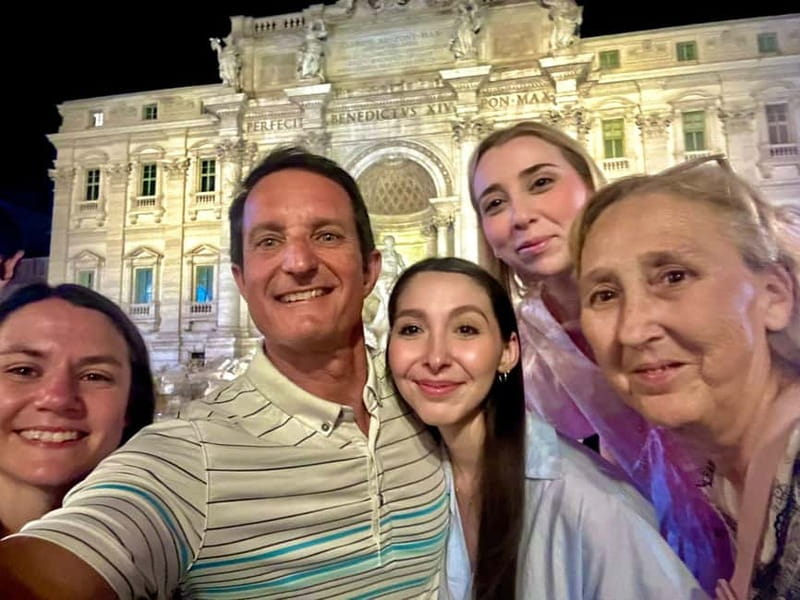
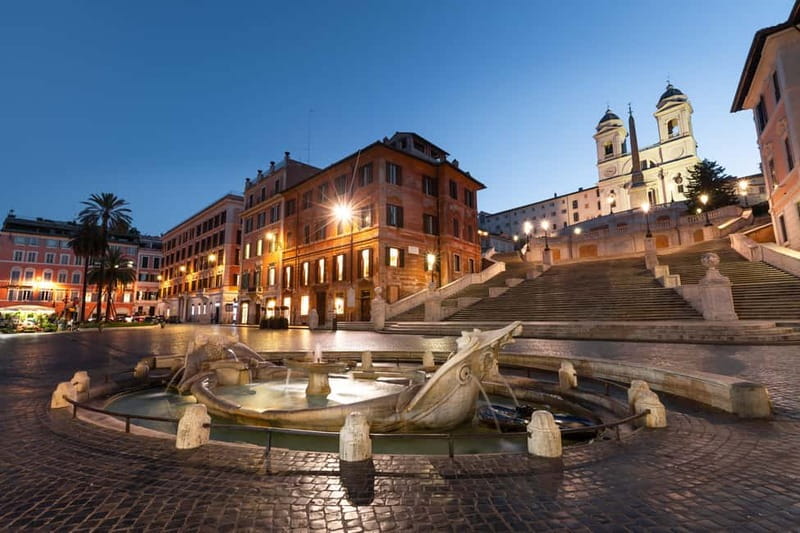
Next up is Trevi Fountain, one of Rome’s most famous fountains. You’ll see it as a classic Baroque composition by Nicola Salvi from the 18th century, with Oceanus in the center riding a shell-shaped chariot and sea horses pulling it along.
There’s also the tradition: tossing a coin over your right shoulder with your right hand means you’ll return to Rome. The tour doesn’t ask you to do anything; it just brings you to the moment where that ritual is happening nonstop in every direction.
A practical note: because this is Trevi, expect it to be busy at all hours. Your advantage is that you’re not trying to find your own path in the crowd—you’re there at a planned photo stop with a guide handling timing.
Pantheon: The Dome-and-Light Moment
You’ll also have a stop for the Pantheon, one of the best-preserved monuments from Ancient Rome. What makes it special is the big idea of the building: it started as a temple for all gods, later became a church, and it still holds the focus through its architecture.
The headline feature is the massive dome, described as the largest unreinforced concrete dome in the world. Then there’s the oculus, the open circle at the top. The way natural light enters through the opening creates that slightly mystical interior feeling—something you’ll notice even when you’re just seeing it briefly.
For many people, this is the stop that changes their view of Roman engineering. Even if you’re not a hardcore architecture person, the Pantheon hits as pure scale and precision.
Piazza Navona: Stadium Bones and Three Famous Fountains
Piazza Navona is built on the footprint of the ancient Stadium of Domitian, which gives the square its shape and makes it feel both airy and structured. It’s also lively by default—cafés, foot traffic, and that “people-watch in the center of the city” vibe.
The star here is the triple fountain setup. Your guide highlights the Fountain of the Four Rivers by Gian Lorenzo Bernini, which represents four major rivers of the known continents in the 17th century. It’s detailed, theatrical, and easy to frame while you’re in a short stop.
Quick tip for photos: look for how the fountain sculpture lines up with surrounding buildings. From the square, it’s not just the fountain—it’s the way it sits in a perfect urban stage.
Piazza Venezia and the Monumental Crossroads
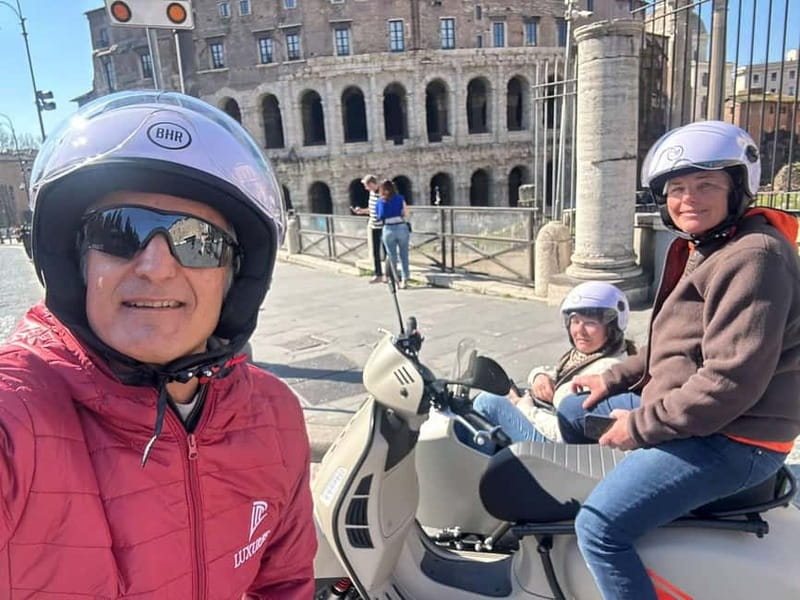
From there, you’ll hit Piazza Venezia, one of Rome’s busier squares, at the intersection of major roads. It’s dominated by the Vittorio Emanuele II Monument, also known as the Altar of the Fatherland.
This stop is useful because it connects different eras of Rome in a single glance. The square is also home to Palazzo Venezia, which was once a residence of popes and later used as Mussolini’s headquarters during World War II. That contrast helps you understand why Rome feels layered—politics, religion, empire, modern identity—stacked close together.
If you’re the kind of traveler who likes “why does this building exist here,” this is a good moment to ask your driver/guide a question and listen.
Colosseum Photo Stop: You Don’t Need Hours to Feel It
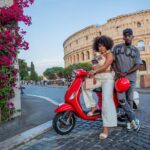
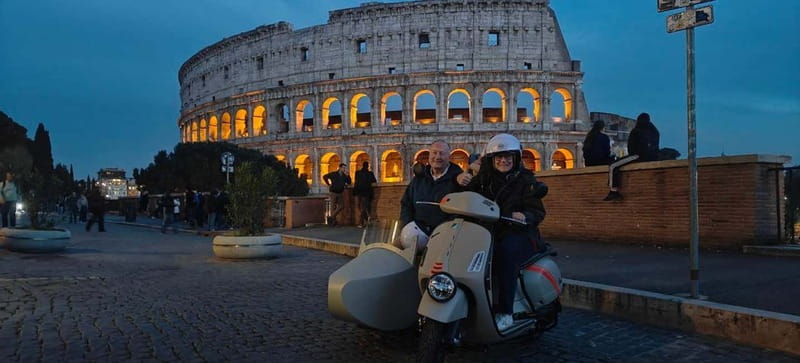
The itinerary includes Colosseum with a 10-minute stop. That may sound short, but you’re seeing the main symbol of Rome and one of the world’s biggest ancient engineering flexes.
The Colosseum was built in the 1st century AD and was the largest amphitheater ever constructed. It hosted gladiator battles, animal hunts, and public spectacles for over 50,000 spectators. Even with centuries of earthquake damage and looting, it still lands as awe-inducing.
Here’s how to make a quick stop feel worth it:
- Take a wide shot from where you can capture scale.
- Then take a second shot that includes adjacent streets/buildings to show you it’s still embedded in daily Rome.
Your guide’s photo stop approach means you’re not wasting time hunting for the right angles.
Ghetto Neighborhood: Ruins, Shops, and Community Memory
You’ll also pass through the Ghetto area, with time set aside for history and culture. This neighborhood is known for traditional shops and ancient Roman ruins, along with the presence of the Synagogue that represents the heritage of Rome’s Jewish community.
This stop works best if you treat it like a human-scale moment. You’re not here for a grand monument only. You’re here to see how old Rome lives inside modern streets, with everyday commerce and places of significance side by side.
Colle del Gianicolo: Views Plus a Noon Cannon Detail
Next is Colle del Gianicolo, one of Rome’s highest hills and famous for panoramic views. It’s also tied to the fight for Italian unification, with battles led by Giuseppe Garibaldi.
There’s a daily tradition from 1847: at noon, a cannon is fired from the hill to standardize the city’s clocks. The practice started with Pope Pius IX.
Because this tour is described as “by night,” you probably won’t catch the cannon. Still, it’s a fun detail that gives the hill a job beyond scenery. It’s not just a viewpoint—it’s part of how Rome has measured time.
St. Peter’s Square: Bernini’s Embrace and a Vatican-Scale View
You’ll have time at St. Peter’s Square, the heart of Vatican City. The layout is famous for Bernini’s colonnades, designed to create a grand, welcoming semicircle that feels like the church is opening its arms.
In the center is an ancient Egyptian obelisk, flanked by two fountains. The square leads toward St. Peter’s Basilica, and even if your stop is mainly outside, the context matters. The basilica is home to famous works like Michelangelo’s Pietà and the dome designed by Michelangelo.
If you want basilica interior time, you’ll likely need to plan that separately since the tour is built around guided photo stops and the listed attractions don’t include guaranteed entry time.
Trastevere at Night: The Streets That Invite Extra Walking
Finally, you’ll end with Trastevere, one of Rome’s most authentic-feeling neighborhoods. Expect cobblestone streets, narrow alleys, and lively squares that make you want to slow down and wander.
This is the best “landing zone” for your own plans afterward. The tour gives you a taste, but Trastevere is where you can turn that into a real nighttime experience on foot—dinner, a gelato stop, or just getting lost for a while.
Guide Team and the Family-Friendly Feel
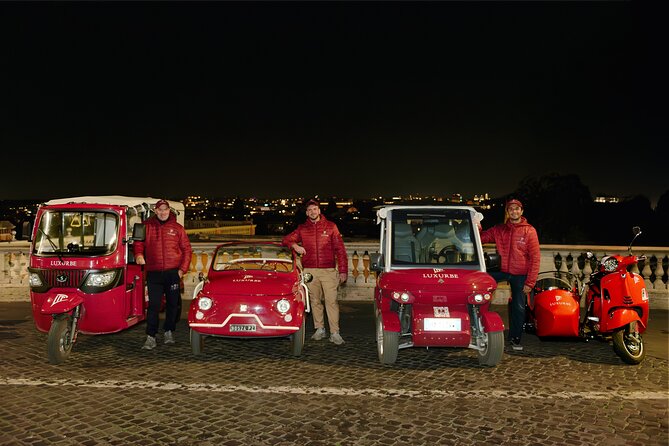
The overall tone is personal, and the English-speaking driver/guide approach matters. The feedback highlights guides such as Massimo, Fabritzio, Daniele, and Atakanda as standout hosts who make the tour feel like a shared family outing, not a strict checklist.
That’s what you want at night: someone who knows where the good photo angles are and how to keep the pace comfortable without cutting out the fun.
Who This Tour Is Best For
This Vespa sidecar night ride is a strong match if you want:
- A compact way to cover big Roman icons without long transit delays
- A guided route that handles traffic and timing for you
- A small-group feel (under nine) with a private setup for your group
- Helmets provided and a safety-forward approach to riding at night
It’s also a good option for travelers who don’t want to commit to a full-day itinerary just to see the top sights. If you’re the type who prefers slow museum time over quick photo stops, you may feel the schedule moving quickly.
Should You Book Vespa Sidecar Tour: Rome by Night?
I’d book it if your goal is to get oriented fast and enjoy Rome’s top landmarks in a fun, low-stress way. With hotel pickup (if you choose it), a small private group, and a driver who handles traffic, it’s built for travelers who want night energy without logistical headaches.
Skip it or add extra planning if you’re mainly chasing deep interior visits. This tour is about seeing, framing photos, and soaking up atmosphere—then letting Rome keep going after the ride.
If you’re unsure, think about your travel style. If you’d rather spend your time looking at Rome than figuring out Rome, this is an excellent fit.
FAQ
How long is the Vespa Sidecar Tour: Rome by Night?
It lasts about 3 hours.
Is the tour offered in English?
Yes. The tour is offered in English.
Is hotel pickup included?
Hotel pickup and drop-off are included if you select that option. The driver will meet you at street level outside your hotel or accommodation.
How big is the group?
The experience is private, and the group is no bigger than nine.
Are entrance tickets included for monuments?
No. Entrance tickets are not included. The stops listed are shown as free for admission, but entrance tickets to attractions are generally not included.
Where does the tour start?
The tour starts at Piazza del Popolo, 11, 00187 Roma RM, Italy. It ends back at the meeting point.
Is there free cancellation?
Yes. You can cancel for a full refund up to 24 hours before the start time. Within 24 hours, the amount paid is not refunded.