REVIEW · SIEM REAP
Siem Reap: Countryside Vespa Tour / Tuk Tuk Available
Book on GetYourGuide →Operated by Vespa Backstreet · Bookable on GetYourGuide
Siem Reap’s countryside feels like a different world. This 5-hour Vespa or tuk-tuk day takes you outside town for temple views, local craft stops, and tastings you can’t get in the tourist lanes. I especially like the built-in mix of culture (a Khmer Buddhist temple and rice noodle/bamboo sticky rice cake stops) and hands-on work (rattan basket weaving). One drawback: it’s not suitable for pregnant women, and you’re riding along rural roads, so comfort depends on your comfort with the scooter/tuk-tuk option.
What makes this one worth your time is the pace. You’re not stuck at one big attraction—you’re moving through real village life, with an English-speaking guide and experienced drivers doing the hard part of getting you there safely. In the small group setup, guides can actually explain what you’re seeing (and some even let you try driving the Vespa, depending on comfort and conditions).
In This Review
- Key Points Before You Go
- Why a Vintage Vespa Day Feels More Local in Siem Reap
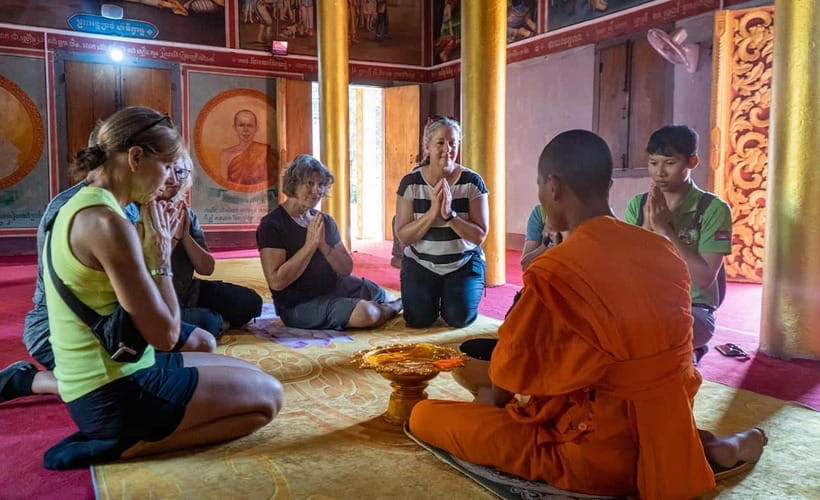
- Getting Out of Town: Khmer Buddhist Temple and Local Craft Stops
- West Baray: Ancient Reservoir Views and a Proper Break
- Basket Village Rattan Weaving: See It, Then Make It
- Rice Wine Distillation: How Cambodia’s Drink Fits the Story
- Food Moments You’ll Actually Taste, Not Just Look At
- Safety, Drivers, and the Real Comfort of a Small Group
- Price and Value: How $26 Can Still Feel Like More Than a Transfer
- Who Should Book This Vespa Countryside Tour
- Should You Book It?
- FAQ
- How long is the Siem Reap countryside Vespa tour?
- Where is pickup, and do I get dropped back at my hotel?
- Is the tour done on a Vespa or a tuk-tuk?
- What food and drink are included?
- Can I choose a small group?
- Is this tour suitable for everyone?
- Does the guide speak English?
- How much does it cost?
Key Points Before You Go
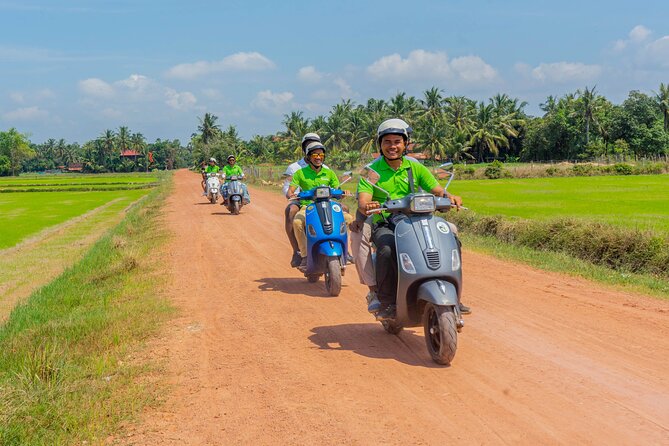
- Small-group countryside route that stays outside Siem Reap’s main tourist rhythm
- Temple + reservoir combo: Khmer Buddhist practice and West Baray in one morning
- Hands-on rattan basket weaving with local ladies in a basket village
- Rice wine distillery stop at a small-scale family operation
- Scattered food moments including bamboo sticky rice cake and Cambodian rice noodle production
Why a Vintage Vespa Day Feels More Local in Siem Reap
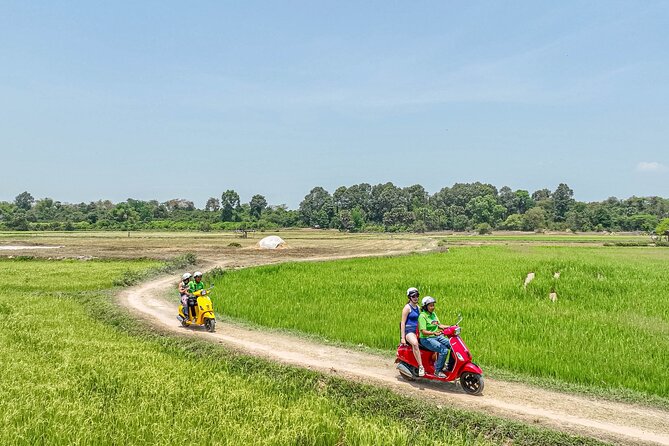
There are plenty of ways to see Siem Reap, but most of them keep you in a tight circle around the big sights. This tour starts by moving you out toward the edges of Krong Siem Reap, so the day naturally shifts from town energy to countryside calm.
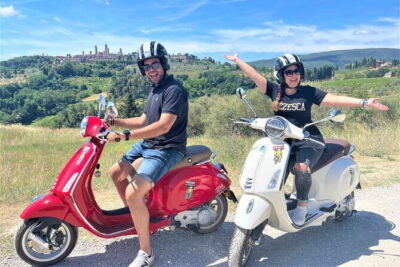
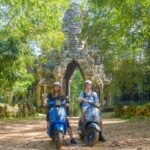
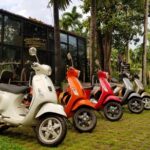
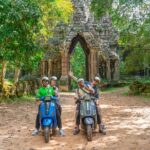
The transport is the hook. Riding on the back of a vintage Vespa (with an experienced driver) makes the journey feel part of the experience, not just transportation. And if you’d rather not ride a scooter, tuk-tuk is available, which matters because comfort is not a small detail on a half-day.
I also like that the day is planned like a sequence of “real-life stops.” You’re looking at how people make things, how they eat, and how they practice Buddhism—not only taking photos and moving on. That’s why even the short stops still feel connected.
Getting Out of Town: Khmer Buddhist Temple and Local Craft Stops
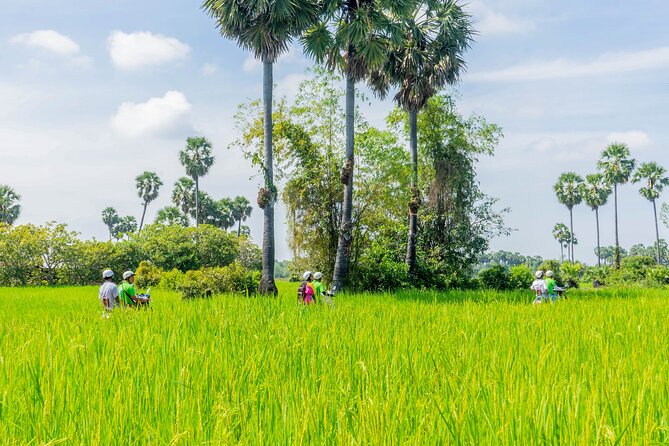
The morning begins with pickup in Krong Siem Reap (your driver meets you at your hotel lobby). Then you head out of town for a guided visit to a Buddhist temple connected to Khmer practice. This is more than architecture-by-the-numbers. You’re given a practical explanation of what Buddhism looks like in daily life for Khmer communities, which changes how you see the details once you’re standing there.
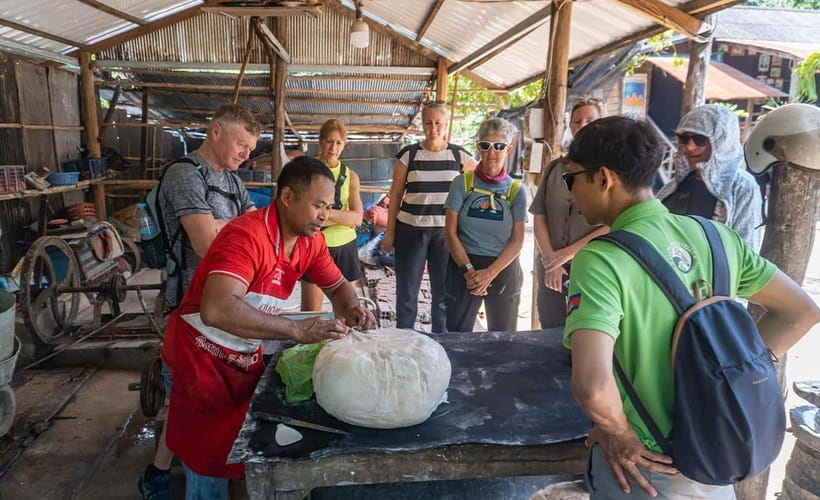
After that, you roll along and stop at local businesses. This is where the tour starts earning its value for me. Instead of only selling you a single attraction, it threads through small industries you’d normally miss—like rice noodle production and stops connected to bamboo sticky rice cake. You’re seeing ingredients, process, and everyday work. Even when you only have time for a brief look, it gives you a mental map of what sustains village life.
If you’re the kind of traveler who likes learning by watching, this part does a good job. You can also ask your guide questions as you move, because you’re not in a huge bus crowd.
West Baray: Ancient Reservoir Views and a Proper Break
Once you reach West Baray, you get your first real breather. This stop includes a break period (plus time for photos and guided commentary). West Baray is one of those places where you can feel the scale even without reading a textbook.
What makes it useful on a tour like this is the contrast. You started with religious practice and local crafts; now you’re looking at water infrastructure tied to ancient life. The guided layer helps you understand what you’re looking at, while the break time gives your brain a moment to reset after scooter driving.
I like that this isn’t treated as a quick photo sprint. You get around an hour here, so it’s long enough for both photos and actual orientation.
Basket Village Rattan Weaving: See It, Then Make It
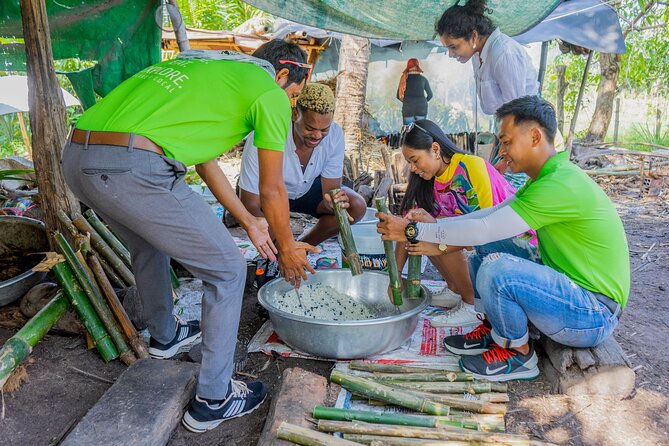
The basket village stop is one of the most memorable parts of this tour because it’s genuinely hands-on. You visit a place where baskets are handmade, and then you spend time with local ladies as you learn to make a basket (or at least work through a basket-weaving process suited to the group).
This is where the day shifts from viewing to doing. And that matters, because “learning” isn’t just hearing facts—it’s building a small skill and feeling how long craft work takes. Even if you’re not a natural DIY person, the guided instruction makes it approachable.
A few things help this stop land well:
- You’re not thrown in cold; the guides set expectations and explain what’s happening.
- The activity is tied to local materials and daily production, so it doesn’t feel like a staged souvenir stop.
- It gives you something to take home besides photos: a stronger understanding of what craftsmanship involves.
Rice Wine Distillation: How Cambodia’s Drink Fits the Story
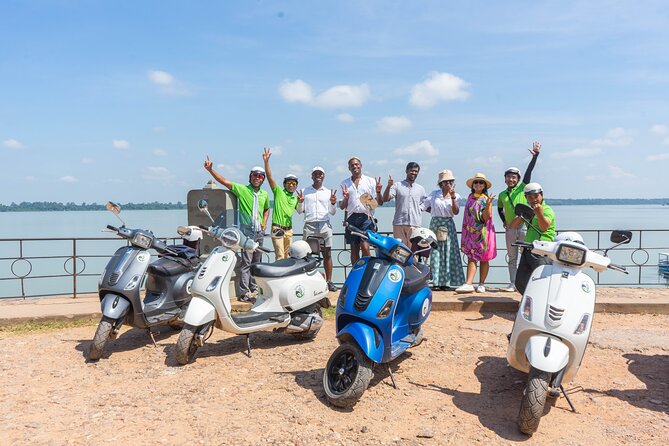
The last major activity is the rice wine stop. You’ll visit a small-scale family business focused on rice wine distillation, where local techniques are used to make the drink. Rice wine shows up in Cambodia in a way that goes beyond tourist tastings—it’s described as one of Cambodia’s popular drinks, including before beer became widespread.
The tour includes a tasting here, and that’s enough time to connect what you learned earlier about food culture to something more social. It’s one thing to know that rice wine exists; it’s another to watch or hear about how it’s made and then taste it on-site.
Also, this is one of the stops your guide can explain in context—how it fits local life and why it matters historically. Even a short distillery visit can turn into a story if your guide talks clearly.
Food Moments You’ll Actually Taste, Not Just Look At
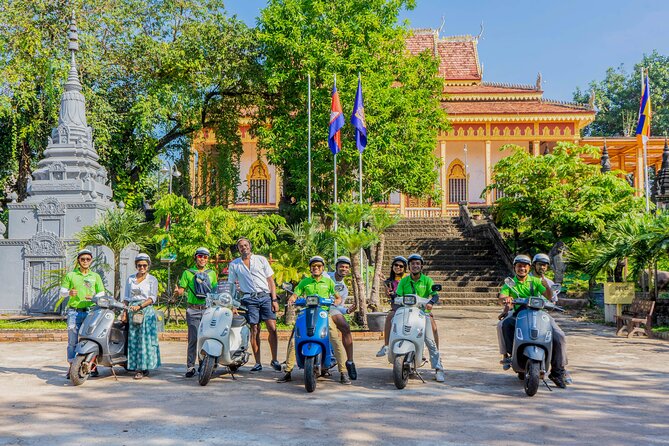
This is not a heavy-food tour, but it has several taste checkpoints built in. You get a sample of bamboo rice cake, and you also get to taste traditional Cambodian rice wine. There’s also time for a food-market style stop earlier in the day, plus local snacks during the traditional village portion.
What I like about this setup is that it avoids the usual problem of food tours that only show you one dish in a pretty way. Here, you’re sampling linked parts of the local food chain: rice-based sweets, food-making industries, and rice-based drink. It builds a coherent picture of what people eat and produce.
Safety, Drivers, and the Real Comfort of a Small Group
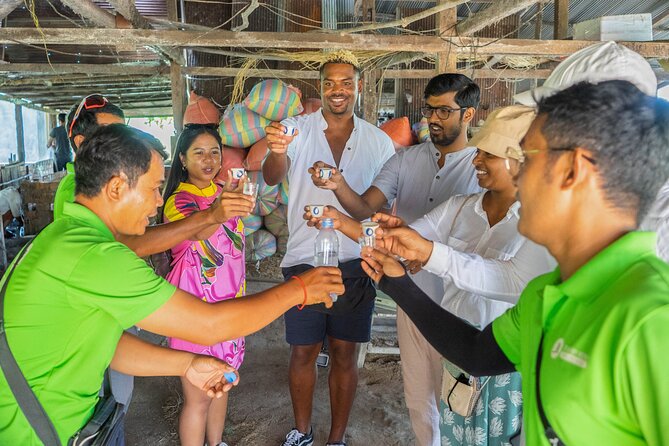
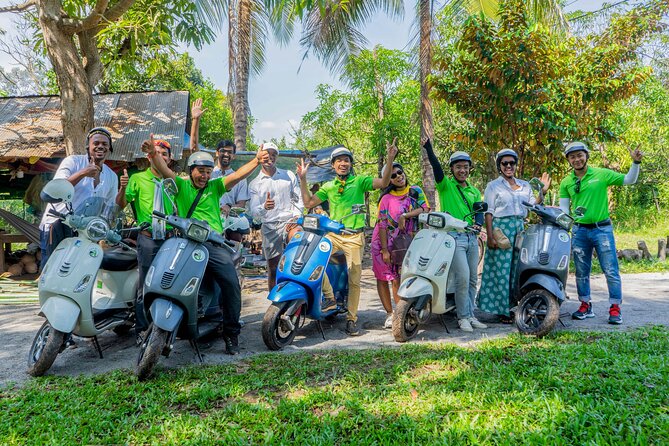
On scooter tours, safety is the whole game. The good news is that the tour is built around experienced drivers and an English-speaking guide. In the provided guide and driver feedback, the theme is clear: people felt safe, and the drivers were careful and friendly.
I’m also glad the day is structured as a small group. That usually means:
- You’re easier to manage on the road.
- Your guide can actually talk with you, not just lecture.
- You can ask questions during stops without feeling rushed.
Pickup and drop-off at your hotel in Siam Reap/Siem Reap is another comfort win. You don’t have to negotiate meeting points or find your own transport after a scooter day.
One more note: the tour includes a short “spirits” stop described as part of the day’s route, but the overall structure remains focused on crafts, temple context, and tastings. It’s not a wild nightlife-style outing.
Price and Value: How $26 Can Still Feel Like More Than a Transfer
At $26 per person for a 5-hour outing, the value comes from what’s included. You’re not just paying for a ride—you’re paying for:
- Vintage Vespa transport with experienced drivers (or tuk-tuk available)
- An English-speaking tour guide
- Hotel pickup and drop-off
- Bottled water and a soft drink
- Food and drink tastings: bamboo rice cake and rice wine
If you’ve done “cheap” countryside tours before, you know the common disappointment: you pay less, but you also lose the guide explanations or the reliable transport. Here, that combo is what makes the price feel reasonable. You’re basically buying a guided half-day that connects multiple areas outside town, without needing to stitch together your own driver and tickets.
And the craft portion (especially basket weaving) is the kind of activity that often costs more when it’s booked separately.
Who Should Book This Vespa Countryside Tour
This is a strong fit if you want:
- A countryside day that’s more than just scenic stops
- Buddhist and Khmer culture context, explained by a guide
- A chance to see how food and crafts are made
- A taste of rural village life in a respectful way
From the guide names and roles shared in feedback, you’ll likely get a very human experience. For example, some days run with guides like Voleak and Ravy, Vandy L, Sath with driver Chetra, Luk, and Tinan, and there are driver names like Sumatra and Dom showing up in different pairings. The consistent theme is that the people leading the day tend to be friendly, conversational, and careful on the road.
If you’re traveling with a high concern for comfort on scooter roads, choose the tuk-tuk option. And if you’re pregnant, skip this one since it’s listed as not suitable.
Should You Book It?
I’d book this if you want a half-day that feels grounded in everyday Cambodia—temple understanding, countryside movement, craft-making, and real food tastings. At $26, it’s also the kind of outing that doesn’t require a huge budget to get out of the city loop.
I would not book it if you strongly dislike scooter-style travel or if you need a fully static, low-movement tour. The day is built around riding and short stops, so it’s active by design.
FAQ
How long is the Siem Reap countryside Vespa tour?
It runs for 5 hours from pickup to return.
Where is pickup, and do I get dropped back at my hotel?
Pickup starts in Krong Siem Reap, and pickup is optional. If you choose pickup, your driver meets you at your hotel lobby, and the tour includes drop-off back at your hotel.
Is the tour done on a Vespa or a tuk-tuk?
The experience includes a vintage Vespa with an experienced driver, and tuk-tuk is available as an alternative.
What food and drink are included?
You’ll get bottled water and a soft drink, a sample of bamboo rice cake, and a taste of traditional Cambodian rice wine. There are also local snack stops during the day.
Can I choose a small group?
Yes. The tour notes small group available.
Is this tour suitable for everyone?
It is not suitable for pregnant women.
Does the guide speak English?
Yes. The tour includes an English-speaking tour guide.
How much does it cost?
The price is $26 per person.