REVIEW · SIEM REAP
Siem Reap Countryside Sunset Vespa Tour / Tuk Tuk Available
Book on Viator →Operated by Vespa Backstreet · Bookable on Viator
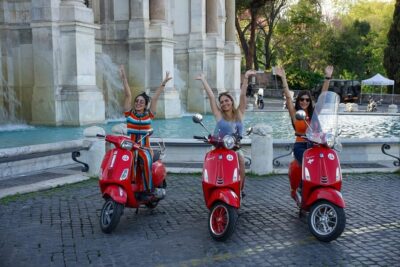
A Vespa sunset beats the usual temple shuffle. This Siem Reap countryside tour strings together villages, farms, and a guide-led route without you worrying about traffic or directions. You get hotel pickup, a back-seat view of rural life, and a calm end-of-day photo stop over the rice fields.
Two things I really like: the easy pickup-first setup (you’re not left to figure out transport), and the fact the day is built around actual rural stops, not just one temple and done. Stop time also feels purposeful—an orientation in town, then real countryside breaks—so you’re not rushing every five minutes.
One consideration: this is mainly a Vespa experience, so if you’re dealing with back issues or you’re traveling with very young kids or elderly relatives, you may prefer the private car option. The tour operator specifically recommends the bike for the feel, but they also flag that car is the better call for comfort.
In This Review
- Key things to know before you go
- How the Vespa (or tuk-tuk) ride keeps the day easy
- Price and what you’re really getting for $30
- Afternoon start: getting oriented before you hit the countryside
- Chreav village: rural livelihoods you can actually picture
- Wat Po Banteaychey: temple stop plus farms, ponds, and market life
- Phnom Krom sunset: rice-field photos and drinks on the spot
- Guide and drivers: why the explanations matter
- What to pack and how to ride comfortably
- Who this tour is for (and who should choose the car)
- Should you book the Siem Reap countryside sunset Vespa tour?
- FAQ
- How long is the Siem Reap countryside sunset tour?
- What time does the tour start?
- Is hotel pickup included?
- What vehicle options are available?
- How many people are in the group?
- Are admissions included for the stops?
- What’s included in the price?
- What’s the experience like at the sunset stop?
- Can I cancel for a full refund?
Key things to know before you go
- Hotel pickup makes it low hassle. You start from your hotel lobby and the route is handled for you.
- Small groups (max 12). That helps keep the stops relaxed and the Q&A real.
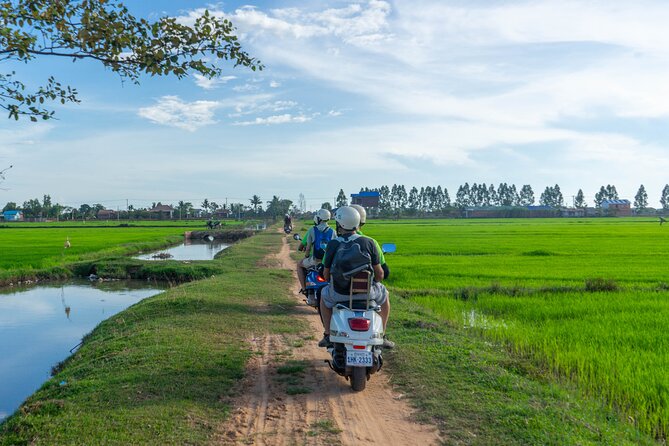
- Vespa rides connect the dots fast. You’ll pass villages, farms, and market areas as you move between highlights.
- Chreav village is about everyday livelihoods. It’s less sightseeing, more “how people live here.”
- Wat Po Banteaychey adds temple + countryside texture. You don’t just see it; you see what surrounds it.
- Sunset at Phnom Krom includes drinks. The end stop is set for photos and cooling down.
How the Vespa (or tuk-tuk) ride keeps the day easy
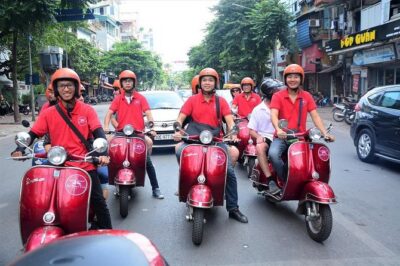
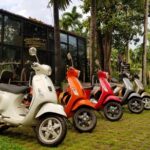
The biggest value here is that you’re not doing logistics. You get round-trip transport with experienced drivers, plus an English-speaking guide to explain what you’re seeing. That means you can focus on the views and the conversation, not on navigating or finding your next stop.
The tour is designed around moving with the countryside. As you ride between stops, you get glimpses of everyday life—villages, market areas, and working farms—so the “travel time” actually adds to the experience. And because it’s a guided route, you’re not stuck guessing what something is or why it matters.
If you’re worried about comfort, note the operator’s guidance: they recommend the motorcycle option as the best way to experience the route, but they also point you toward a private car option if back problems or age needs make a bike harder.
Price and what you’re really getting for $30
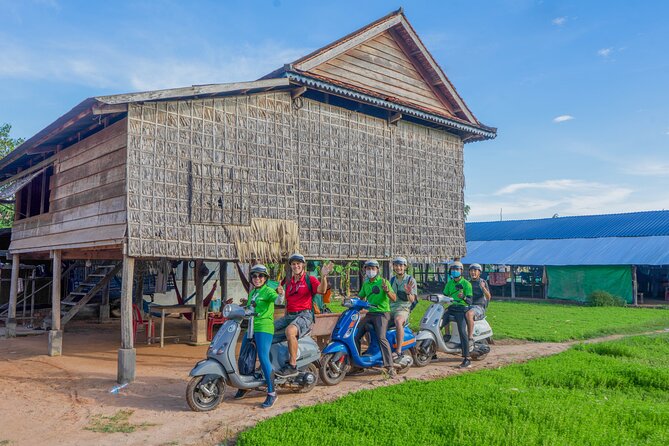
At $30 per person for about 4.5 hours, the price feels fair because the tour stacks several things that cost extra on their own. You’re getting transportation, an English-speaking guide, snacks, bottled water, and a soft drink or beer as part of the experience.
You also get “stop by stop” access handled in the package. The tour details list admissions for each stop as free, which is a real money saver if you’d otherwise be paying to enter multiple places.
Then there’s the “value” angle that matters more than dollars: this tour is built to show you rural life in motion. The guide’s explanations—especially around food and plant life—are a big reason people leave very happy.
Afternoon start: getting oriented before you hit the countryside
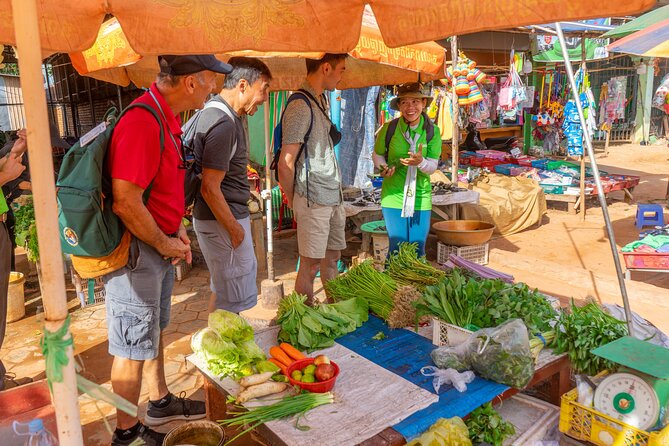
This tour runs in the late afternoon, with the listed start time around 2:30 pm and meet-up in the Siem Reap hotel lobby at 3:00 pm. Either way, the timing is great because you’re not baking in midday heat, and you still get to finish with sunset.
Your first stop is essentially a launchpad. You start at an initial meeting point in Siem Reap where your guide introduces the route and the local livelihoods you’ll see along the way. Even if some of that is quick, it helps you understand what you’re watching later—rice work, village rhythms, and the sort of small production that supports families.
This first segment is also listed as about 30 minutes and admission-free. It’s a good pace-setting stop before the longer village and countryside portions.
Chreav village: rural livelihoods you can actually picture
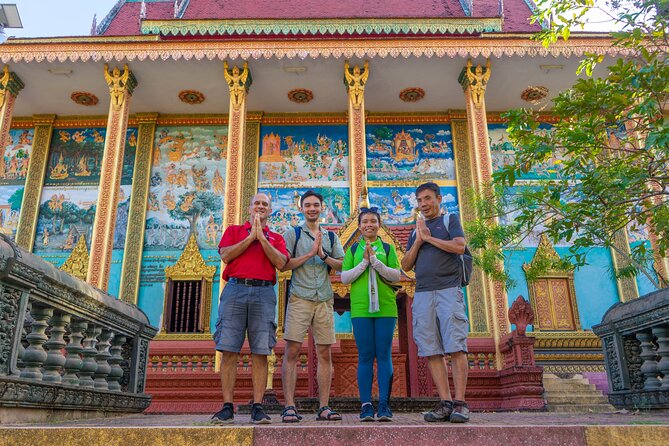
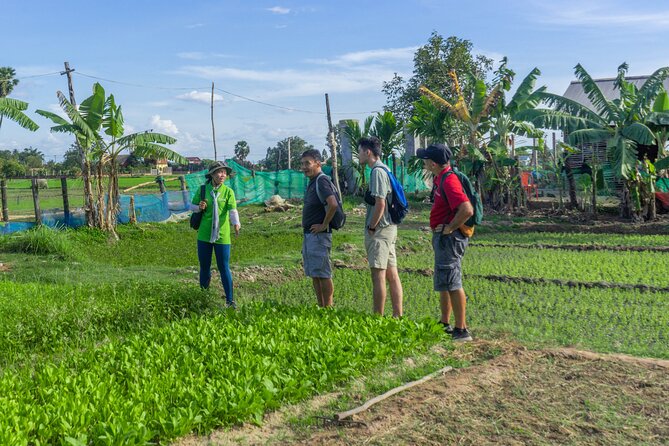
Chreav is where the tour shifts from “around town” to “this is how life works here.” You’ll stop in a small village for about two hours, and the focus is on learning about local people and their livelihoods.
What makes this kind of stop worthwhile is that it’s not just scenery. It’s about people doing day-to-day work—how land and food relate to the household economy, and how the landscape supports daily routines. And because you have an English-speaking guide, the information doesn’t feel like random facts you can’t use.
One of the strongest signals from guide feedback is that the explanations go beyond broad strokes. One standout review praised the guide’s knowledge not only about general topics, but about practical things like plants and how rice wine is made. That kind of detail is exactly what you want from a village visit: something you can picture later, not just a photo moment.
Potential drawback: a village stop means you might spend time standing or walking at a slower pace than a temple-only tour. If you like tight schedules and constant movement, this may feel more “talk and observe” than “run and snap.”
Wat Po Banteaychey: temple stop plus farms, ponds, and market life
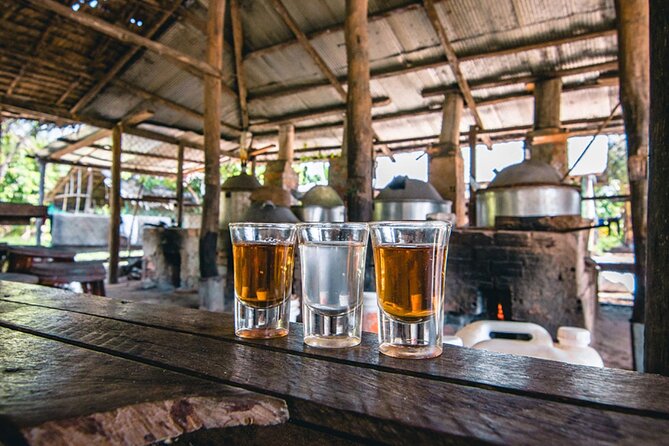
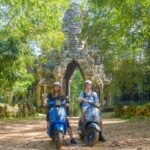
Wat Po Banteaychey is your countryside temple moment, and it’s planned as an in-between stop that helps connect village life to the wider rural economy. You’ll hop on the back of a Vespa and ride out through villages, a local market, a Buddhist temple, and farm areas.
The tour description specifically lists a route that includes a lotus pond, a mushroom farm, and a vegetable farm. That matters because it changes the feel of the temple visit. Instead of arriving, taking a couple of shots, and leaving, you get the surrounding context: how people grow food, keep animals, and use ponds and plants as part of everyday life.
Time-wise, this stop is about one hour. That’s long enough to see and listen, but short enough that you don’t lose the sunset payoff later.
What to watch for: temple etiquette still matters. Wear clothing that covers shoulders and knees, and follow your guide’s cues once you arrive. Because the tour is built for learning, you’ll likely get a bit more guidance here than you would on a quick self-guided stop.
Phnom Krom sunset: rice-field photos and drinks on the spot
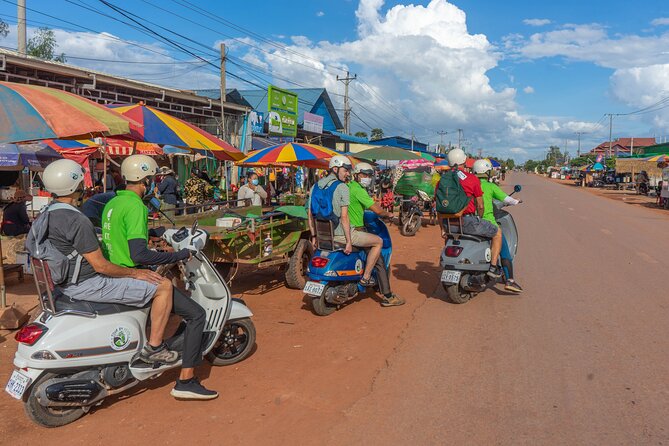
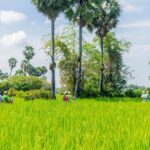
The tour ends at Phnom Krom with a sunset photo opportunity over the rice fields. You’ll have about one hour at this final stop, which is the right length for watching light change without feeling rushed.
This is also where the tour’s “feel-good” finish happens. Drinks are served on the spot while you watch the sunset, and that’s included as part of the tour. The pairing of a great view with a drink is practical too: you can cool down, reset, and take photos without scrambling for a cafe nearby.
The best strategy here is simple: bring your camera-ready patience. Sunset views shift fast, and the photo spot is about timing more than just location. If you’re someone who likes to linger, this stop gives you a real reason to do it.
Guide and drivers: why the explanations matter
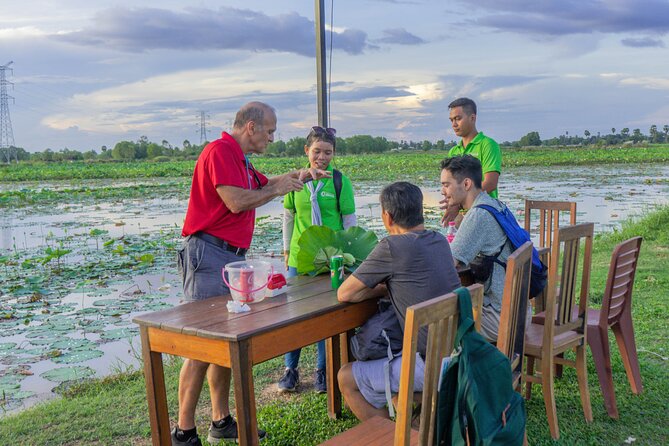
The transport is great, but the reason people rate this tour so highly is the human layer. Two named guides show up in feedback: Bunsom and Heng. One review highlighted Bunsom’s knowledge in a way that’s rare in short tours—he explained details like plants and how rice wine is produced. That sort of depth turns a countryside ride into a story you can remember.
Another review praised the effort and explanations from guides named Ravy and Sömbath. It also points to good communication—clear answers and an organized set of stop-by-stop information.
So here’s the practical takeaway for you: when the guide offers explanations, lean in. Ask small questions. If you’re curious about rice work, local plants, or how food production fits village life, this tour is built to answer.
The driver team also matters on a Vespa day. Having an experienced driver helps you feel steady and reduces the stress of being on the back of a bike in traffic and rural roads.
What to pack and how to ride comfortably
Because you’re doing a Vespa ride and then walking around village and farm-adjacent areas, plan for basic comfort. I’d suggest:
- Wear comfortable shoes you can stand in for a bit.
- Bring sunscreen and something light for sun protection.
- Bring a small layer for late-afternoon air, which can shift near sunset.
You’ll also have bottled water and snacks included, plus a soft drink or beer at the end. Still, it’s smart to keep an extra water bottle if you’re the type who drinks more in the heat.
If you choose the bike option, consider how you’ll feel on rougher roads. The operator makes the private car recommendation for people with back problems and for families with elderly or very young children—so use that guidance.
Who this tour is for (and who should choose the car)
This tour is a strong fit if you want:
- A countryside feel without the hassle of driving yourself
- A small group setting that doesn’t feel chaotic
- A guide who can connect the dots between temples, farms, and daily livelihoods
It’s also a good option for most people who are comfortable with a late-afternoon ride. One detail shared by the operator: they’ve had a courageous 6-year-old on the tour and the child enjoyed it. That suggests the day can work for families, but it doesn’t override the recommendation for car access if comfort needs come up.
If you’re traveling with anyone who needs a smoother ride—especially for back concerns or mobility—it’s worth selecting the private car option rather than pushing through. The point of booking is to enjoy the countryside and the sunset, not to suffer through transportation.
Should you book the Siem Reap countryside sunset Vespa tour?
I think you should book it if you want an afternoon plan that feels local and human. The mix of Chreav village, a countryside temple stop at Wat Po Banteaychey, and the Phnom Krom sunset with drinks is a smart way to see more than just Angkor-area highlights.
If you hate the idea of being on a bike, or you need extra comfort for health reasons, don’t treat the Vespa as non-negotiable. The tour notes that private car is recommended for back problems and for families with elderly or young children, and tuk-tuk availability is also mentioned—so you can still get the same route style.
Finally, if you’re the type who likes explanations and Q&A, this tour has an edge. The strongest feedback centers on guides who actually know their stuff, from rice wine to plant details, and who communicate clearly at each stop.
FAQ
How long is the Siem Reap countryside sunset tour?
The tour duration is approximately 4 hours 30 minutes.
What time does the tour start?
The listed start time is 2:30 pm, and the meet-up in the Siem Reap hotel lobby is at 3:00 pm.
Is hotel pickup included?
Yes. Pickup from your hotel lobby is offered for ease.
What vehicle options are available?
The tour is offered as a Vespa tour, and tuk-tuk is available as an option.
How many people are in the group?
The tour has a maximum of 12 travelers.
Are admissions included for the stops?
The tour details list admission tickets for the stops as free.
What’s included in the price?
Included items are round-trip Vespa transport, experienced drivers, a professional English-speaking guide, snacks, bottled water, and a soft drink or beer.
What’s the experience like at the sunset stop?
At Phnom Krom, you’ll get a photo opportunity in the rice fields and drinks are served while you watch the sunset.
Can I cancel for a full refund?
Free cancellation is available if you cancel up to 24 hours in advance of the experience start time. If you cancel less than 24 hours before, the payment is not refundable.