REVIEW · PHNOM PENH
Phnom Penh: Silk Island Tour by Vespa with Tuk Tuk Available
Book on GetYourGuide →Operated by Vespa Backstreet · Bookable on GetYourGuide
Ferry rides and Vespa roads take you out fast. I love the safe, helmeted Vespa touring and the family-run silk and tofu skin craft stops that feel worlds away from the city center. It’s a hands-on way to understand how everyday Cambodia works, from small fields to temple life.
If you have back problems, this is the one thing to think about before you go. Between the Vespa seat time and bumpy rural roads, your body might not enjoy it the way your camera roll will.
In This Review
- Key highlights worth your attention
- Why this Vespa Silk Island day feels different than most Phnom Penh tours
- Getting out of Phnom Penh: pickup, Vespa rides, and those ferry crossings
- Mongkol Serey Temple: where Buddhism becomes visible and practical
- Koh Oknha Tei market: daily life, food, and shopping that feels useful
- Koh Oknha Tei Secondary School: learning through a community connection
- Dried tofu skin production: the fascinating, slightly surprising craft stop
- Silk Island weaving: seven generations of tradition, not a factory tour script
- Akreiy Ksatr Village break: snacks, photos, and a slower rhythm
- Price and value: what $29 buys you in real-world terms
- Timing and pacing: what the 12:30 return means for your schedule
- Safety, comfort, and who should consider the Tuk Tuk option
- Should you book the Phnom Penh Silk Island Vespa tour?
- FAQ
- FAQ
- How long is the Phnom Penh Silk Island tour by Vespa?
- What does the tour cost?
- Where does the tour start?
- Do I need to bring anything?
- What transportation is used during the tour?
- Are ferry trips included?
- What stops are included during the experience?
- What is included in the price?
- What is not included?
- Is the tour okay for people with back problems?
Key highlights worth your attention
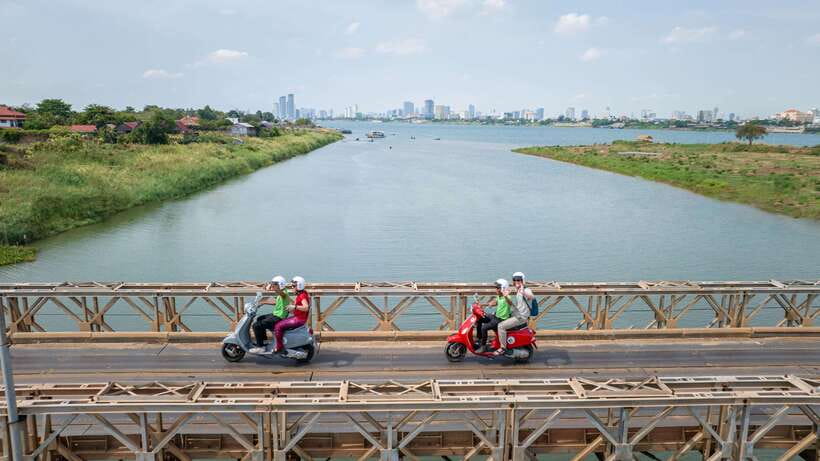
- Vespa + ferry combo that quickly changes the scenery without making the day feel rushed
- Mongkol Serey Temple photo stop paired with a real intro to Buddhism in Cambodia
- Koh Oknha Tei market and shopping time for foods, daily-life vibes, and practical souvenirs
- Dried tofu skin production you can see up close, including how the process works
- Seven-generation silk weaving studio visits where families explain a tradition passed down through generations
- Akreiy Ksatr Village break with photo time and local snacks to keep energy up
Why this Vespa Silk Island day feels different than most Phnom Penh tours
Phnom Penh has a lot going on, but it’s easy for a short visit to stay trapped in traffic, museums, and heavy history. This tour breaks that pattern fast. You head out from town on a Vespa, cross by ferry, and spend hours moving through farming villages and local community stops.
What makes it especially good value is that it’s not just scenic. You get a tour guide who connects the places you see to daily life: how people trade at the market, how tofu skin gets made and dried, and how silk weaving is kept alive by families. It’s the kind of day where you come away with new context, not just photos.
And yes, it’s fun to ride. Reviews mention how riders felt safe, and the transport score is extremely high (with 96% of reviewers giving it a perfect score). That matters, because half the experience here is being comfortable enough to actually enjoy the ride.
Getting out of Phnom Penh: pickup, Vespa rides, and those ferry crossings
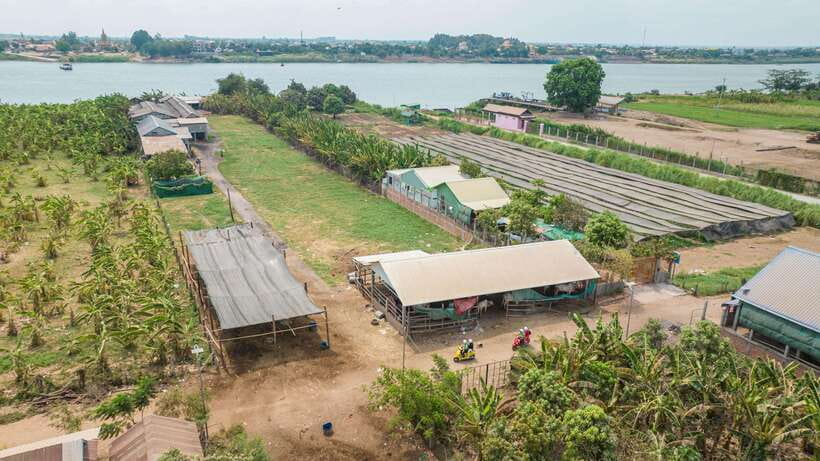
Your day starts with a hotel pickup and drop-off in Phnom Penh, so you don’t waste time figuring out routes. You’ll meet your group at the hotel lobby and want to be ready about 15 minutes early. From there, you’re taken out of the city with an experienced driver and an English-speaking guide.
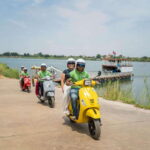
Then comes one of the coolest “phase changes” of the day: ferry time. You board a ferry to reach Silk Island, and later you return the same way. Those crossings turn a regular road trip into something more like a moving viewpoint—your eyes keep adjusting as the river and islands shift the whole mood.
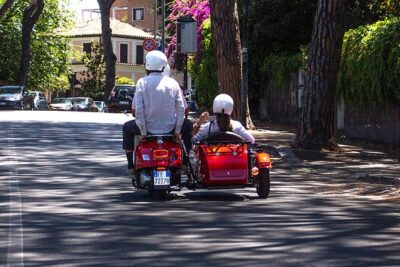
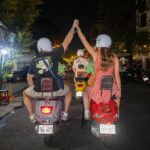
You’ll also have helmets provided. Most people can handle this as long as they’re comfortable on a motorbike for a few hours. If you’re not a fan of narrow seats or long time on the back of a Vespa, consider whether a Tuk Tuk option fits you better before you book.
Mongkol Serey Temple: where Buddhism becomes visible and practical
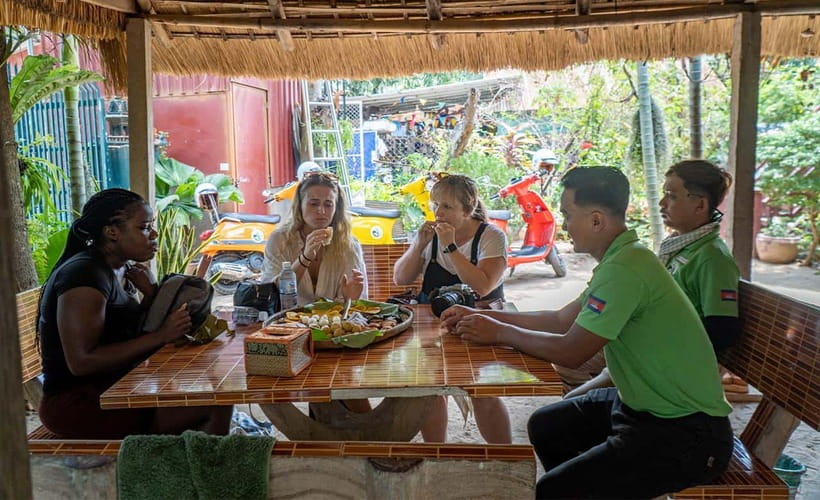
One early stop is Mongkol Serey Temple, with time for photos and a guided visit. This isn’t framed as a “check the box” moment. The guide explains what Buddhism looks like in Cambodian life—how temples fit into the culture around them, not just as architecture.
Why it’s worth your time: Cambodia’s temples are more than scenery. When you understand the basic role they play, you’ll notice it all day—at markets, in village life, even in the way people talk and move through their communities.
Expect a calm, guided stop rather than a long walking circuit. It’s also a good chance to re-position your body after Vespa time, stretch your legs, and get your bearings in a setting that feels spiritual but still grounded in everyday Cambodian routine.
Koh Oknha Tei market: daily life, food, and shopping that feels useful
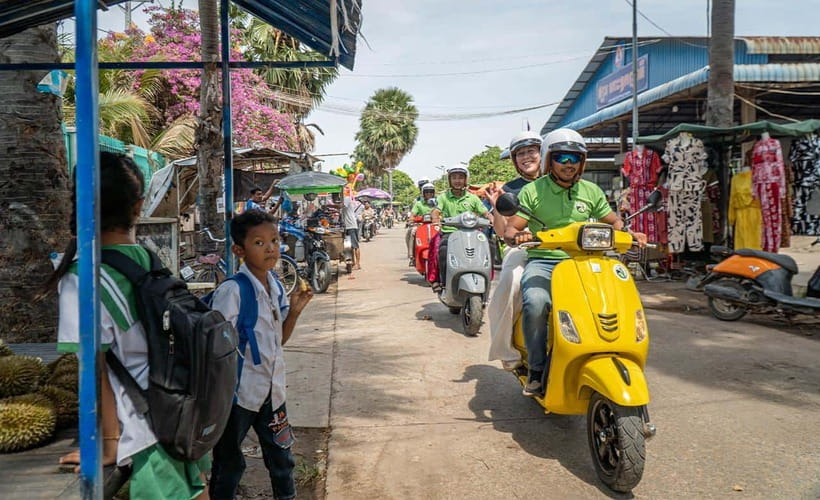
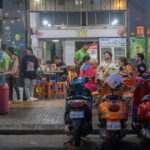
Next up is Koh Oknha Tei Market, where you’ll have about an hour to explore with your guide. This is where the tour shifts from “history and crafts” into “people and routines.” Markets like this are about more than souvenirs. They’re where locals handle daily needs—food, small goods, and the rhythm of community exchange.
You’ll get guided context on what you’re seeing, and you can do shopping during the time provided. The key here is that the market stop is long enough to actually look around, compare items, and decide what you truly want to carry home.
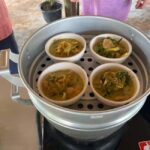
One detail I like: food usually shows up in a natural way. Guides in this style of tour often introduce snacks and local fruit, and you’ll also have a chance later for local bites. Bring an open mind and expect the flavors to be different from what you’re used to in Phnom Penh restaurants.
Koh Oknha Tei Secondary School: learning through a community connection
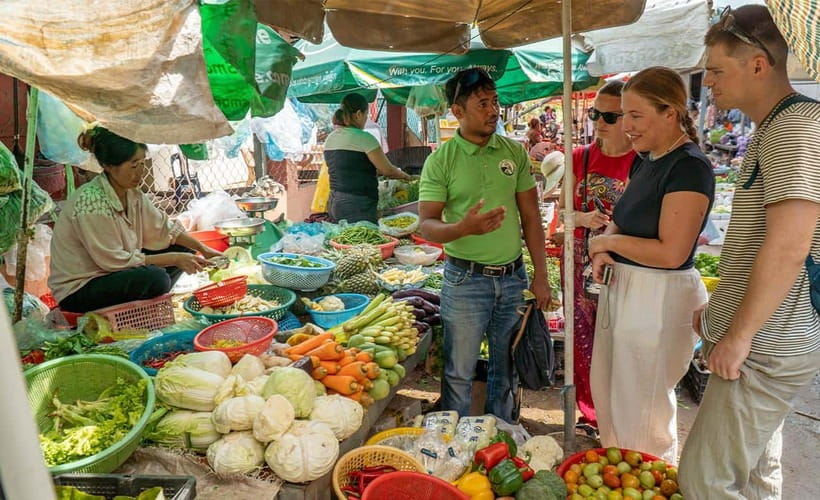
A shorter but meaningful stop follows at Koh Oknha Tei Secondary School. You’ll get guided time there for about 30 minutes. This kind of visit can feel more human than a building tour because it gives you a window into education outside the typical tourist bubble.
This is also where the tour’s “community link” shows up. The experience includes a village donation, and it’s part of the reason this route feels more respectful than a standard sightseeing loop. You’re not only watching; you’re participating in a small way that supports the places you’re visiting.
I’d treat this stop as a moment to observe and ask thoughtful questions rather than a quick photo op. Your guide can help you understand what you’re seeing, and you’ll likely leave with a better sense of what “local life” means beyond farms and factories.
Dried tofu skin production: the fascinating, slightly surprising craft stop
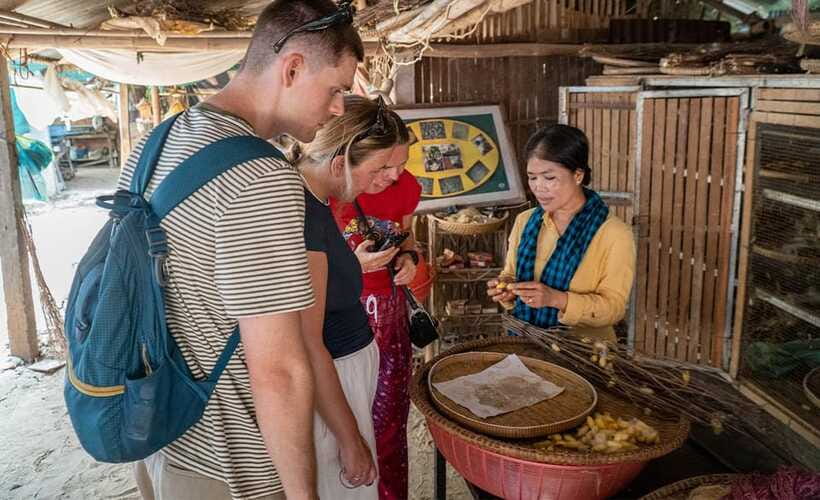
One of the star attractions is visiting a family-run business that specializes in producing dried tofu skin. This is the stop many people remember clearly because it’s tactile, visual, and tied to a real product people depend on.
The process is set up to show you how workers handle drying and production stages, and the guide explains what you’re looking at. One review detail worth noting: tofu skin is more versatile than many visitors expect, and you might be surprised to learn it’s edible in ways you haven’t tried before.
Why this stop works so well: it gives you a craft-to-table connection. You’re not just looking at a product; you’re watching the steps that turn raw materials into something shelf-stable that can support livelihoods. It also helps you understand why this area matters economically—villages are often built around what can be produced, stored, traded, and sold.
If you like hands-on learning, stay close to the explanations during this segment. The best moments are when the guide points out small workflow details—those are the things that make the craft feel real rather than staged.
Silk Island weaving: seven generations of tradition, not a factory tour script
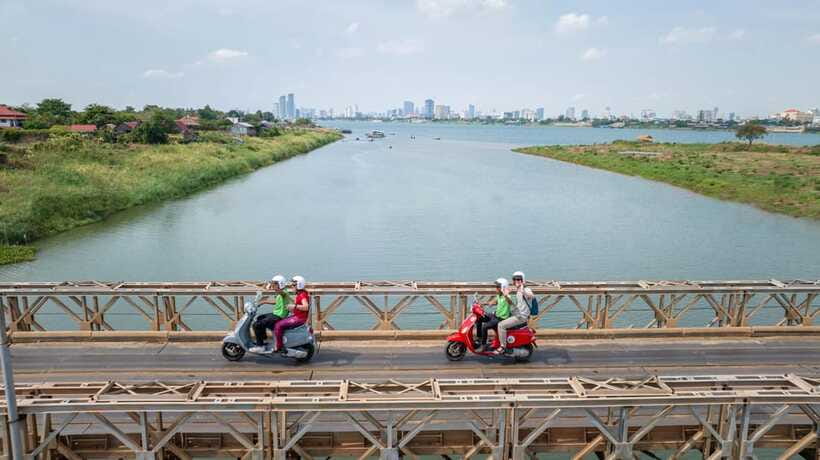
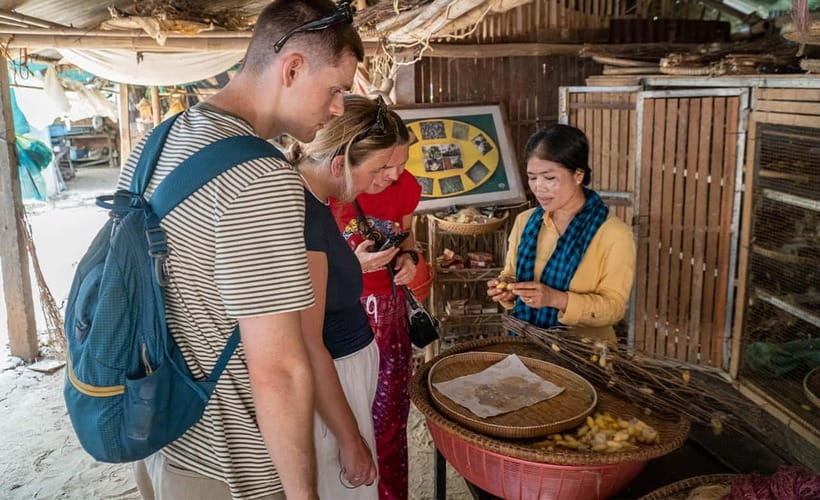
Then you reach the heart of the day: Silk Island itself, where you’ll have time for photos, a visit, and a guided walkthrough lasting around 1.5 hours. This part is special because silk weaving here is presented as a family tradition passed down for generations, with a studio described as spanning seven generations.
What you should expect: you’ll learn how weaving fits into Cambodia’s history, and you’ll see different methods of creating silk products. You’ll also meet local villagers connected to the work, so the story feels personal rather than generic.
In many weaving-related tours, the risk is that you get only a showroom and a quick sales pitch. The tone on this route tends to be different. People often mention that there’s no hard-sell pressure. That makes it easier to enjoy what you’re seeing and actually listen when the guide explains how the craft is made and why it matters to families.
If you’re a shopper, you’ll likely see beautiful items—scarves and woven textiles are common. If you’re not, you’ll still get something valuable: understanding how cultural skills survive when daily life is busy and economic pressure exists.
Akreiy Ksatr Village break: snacks, photos, and a slower rhythm
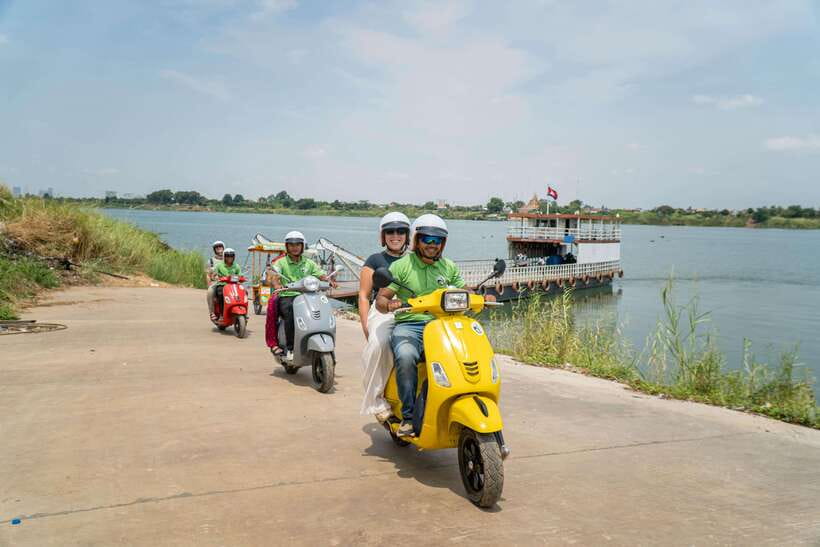
After the main craft stops, there’s a break at Akreiy Ksatr Village, with photo time and local snacks for about an hour. This is a good reset. You’ve spent time on the Vespa, at temples, in markets, and inside production spaces. A village break lets the day breathe.
This segment also helps you see rural life at human speed. You’re not racing through everything. You’ll get a chance to step off the “tour pace” and just look around, talk with the guide if you want, and taste something local.
Also, if the weather shifts, this break period helps. Some groups get caught in downpours, and at least one mention includes coats being provided. Either way, sunglasses and sunscreen are smart. The sun in Cambodia can be intense even when the day feels pleasant at the start.
Price and value: what $29 buys you in real-world terms
At $29 per person for a 4–5 hour half-day experience, the value comes from what’s packed in. You get hotel pickup and drop-off, an English-speaking guide, Vespa transportation with an experience driver, ferry trips, water and snacks, plus a village donation.
For context, most tours in Phnom Penh that focus only on a couple attractions often cost more than you’d expect when you include transport. Here, you’re paying for multiple components that each cost money on their own: motorbike ride time, river crossings, and guided stops across different community areas.
Another value point: the route is varied. Temple + market + school + tofu skin production + silk weaving + village break is a lot of “different worlds” in one day. That variety reduces the chance you’ll feel like you paid for one good highlight and the rest is filler.
If you want a simple rule for deciding: if you’re the type of person who likes learning how things work—food production, craft techniques, how people live day-to-day—this price usually feels fair.
Timing and pacing: what the 12:30 return means for your schedule
The tour is designed to run until roughly 12:30 pm back in Phnom Penh. That timing is useful. It lets you do a morning countryside escape without eating up your whole day.
Pacing is generally easy to follow, with guided stops at each location and time allocated for photos, visits, and market browsing. You’re not stuck in long silent stretches. You do spend real time riding, but the route gives you breaks at the important moments.
If you’re planning other Phnom Penh activities afterward—lunch, museum time, or a river stroll—this schedule helps you fit it in without feeling like you’re constantly running late.
Safety, comfort, and who should consider the Tuk Tuk option
From the information provided, safety appears to be a major priority. Helmets are provided, rides are driven by experienced drivers, and transport has a very high satisfaction score.
Still, your comfort matters. You’re on a Vespa for a chunk of the day, and that’s exactly why the experience notes it’s not suitable for people with back problems. If that describes you, don’t gamble. Ask about the Tuk Tuk available option, if offered for your departure group, or look for a different tour style.
Comfort tip for everyone: wear breathable clothes and plan for sun. Bring sunglasses and sunscreen as recommended. If you’re sensitive to heat, choose your clothing like you’re spending time outdoors—because you are.
Should you book the Phnom Penh Silk Island Vespa tour?
Book it if you want a real countryside feel near Phnom Penh, with craft visits that explain the work behind what you buy and eat. The strongest reasons to go are the family-run silk weaving and dried tofu skin production, plus the market and temple stops that help you understand daily life and belief in Cambodia.
Skip or switch plans if you know motorbike seating will bother your back. Also, if you hate ferries and are motion-sensitive, the river crossings might not be your favorite part of the day.
If you’re on day two in Phnom Penh, this kind of half-day trip is a smart move. It breaks up the city feel early, and it gives you a different set of memories than the typical Phnom Penh routine.
FAQ
FAQ
How long is the Phnom Penh Silk Island tour by Vespa?
It runs about 4 to 5 hours.
What does the tour cost?
The price is listed as $29 per person.
Where does the tour start?
You’re picked up from your hotel lobby in Phnom Penh (pickup is optional, but if you choose pickup you meet at the lobby).
Do I need to bring anything?
You should bring sunglasses and sunscreen.
What transportation is used during the tour?
You’ll ride on the back of a Vespa, and ferry trips are included. Tuk Tuk is also available.
Are ferry trips included?
Yes. Ferry trips to and from the island are included.
What stops are included during the experience?
You’ll visit places including Mongkol Serey Temple, Koh Oknha Tei Market, Koh Oknha Tei Secondary School, Silk Island, and Akreiy Ksatr Village, plus visits related to tofu skin and silk weaving.
What is included in the price?
Included are hotel pickup and drop-off, an English-speaking tour guide, Vespa and an experience driver, village donation, ferry trips, and water and snack.
What is not included?
Personal expenses are not included.
Is the tour okay for people with back problems?
No. It’s listed as not suitable for people with back problems.