REVIEW · HOI AN
Hoi An Vespa Tour Rural Villages Experience
Book on Viator →Operated by Vietnam Vintage Vespa Tours · Bookable on Viator
A Vespa day trip outside Hoi An feels like a shortcut to local life. You ride a vintage Vespa through rice fields and along the river, with stops that focus on daily work, not just scenery. I liked that you’re not rushed through photo points—you get time to watch how things are made and then try a few things yourself.
What really stuck with me was the working countryside: straw-mat weaving, fish farms, and even a look at fish traps and how people build boats. The ride is designed for most people to join, and guides like Lam (with strong English) keep it at a comfortable speed, even when weather is unpredictable. One thing to consider: you’re on a scooter for several hours, so if you get uncomfortable on uneven roads or you prefer fully seated, low-movement tours, think twice.
In This Review
- Key highlights you’ll care about
- Why this Hoi An Vespa tour feels different from the old-town circuit
- The ride setup: 8:00 am pickup, helmets, small group size
- The first leg: leaving Hoi An and learning what locals actually eat and make
- What to like at this stage
- Possible drawback here
- Tra Que Vegetable Village: straw mats, farmers, and river livelihoods
- The value of these stops (and why it’s more than photos)
- A small note on pacing
- Coffee break and lunch: included, and usually the best part of the day
- Guides that make the countryside click: Lam, Dong, John, Sa
- Price and value: why $82 can make sense here
- Who this tour suits best (and who should think twice)
- Practical tips before you go
- Should you book the Hoi An Vespa Rural Villages tour?
- FAQ
- What is the duration of the Hoi An Vespa Rural Villages tour?
- Where does the tour start and what time does it begin?
- Do I need to buy separate tickets for activities?
- What’s included in the price?
- How many people are in a group?
- Can children join the tour?
- What is the cancellation policy?
Key highlights you’ll care about
- Vintage Vespa with a comfortable local pace that still leaves time to look around
- Hands-on moments, including trying a rice-flour dish as it’s made
- Tra Que vegetable farming area with practical, everyday village skills
- River life stops: fish farms, fish traps, and boat-building views
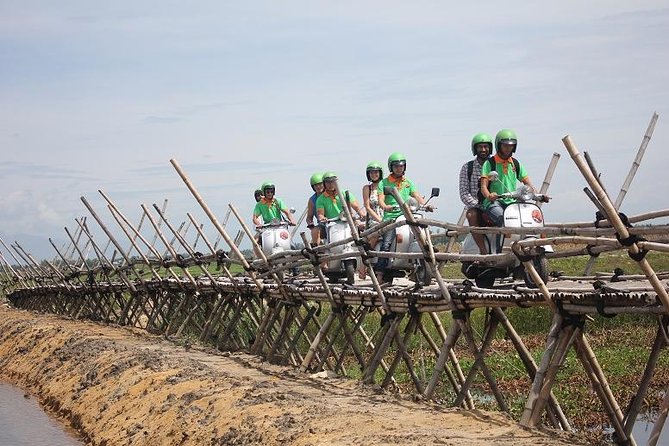
- Bamboo bridge and bamboo boat scenes that show traditional engineering and livelihoods
- Lunch + coffee break included, so you’re not hunting food mid-ride
Why this Hoi An Vespa tour feels different from the old-town circuit
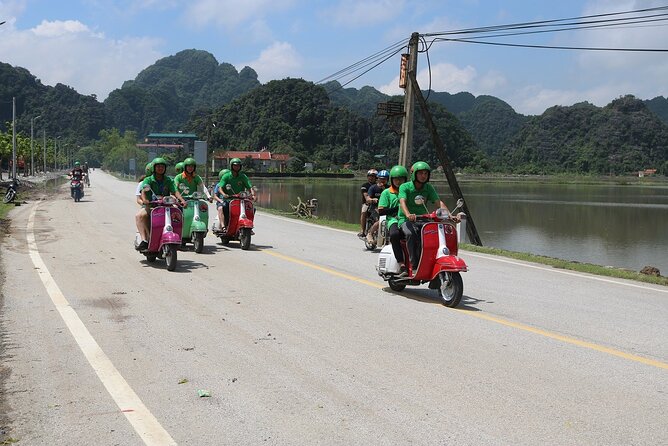
If you’ve spent any time in Hoi An’s Ancient Town, you’ll know the center can turn into a loop: storefronts, lantern streets, the same angles from the same corners. This tour gives you something else. You leave early, catch the countryside at a calmer hour, and trade crowds for workaday village scenes.
The big idea is simple: instead of staying only where visitors go, you ride through the farming and fishing edges that support the town. That matters because Hoi An isn’t only heritage buildings. It’s rice, vegetables, boats, nets, and the river systems that connect everything.
And yes, the Vespa adds energy. You’re not stuck in a van the whole time. You’ll feel the rhythm of the road and the neighborhoods, and you’ll have that satisfying sense of movement without speeding through life like you’re on a mission.
The ride setup: 8:00 am pickup, helmets, small group size
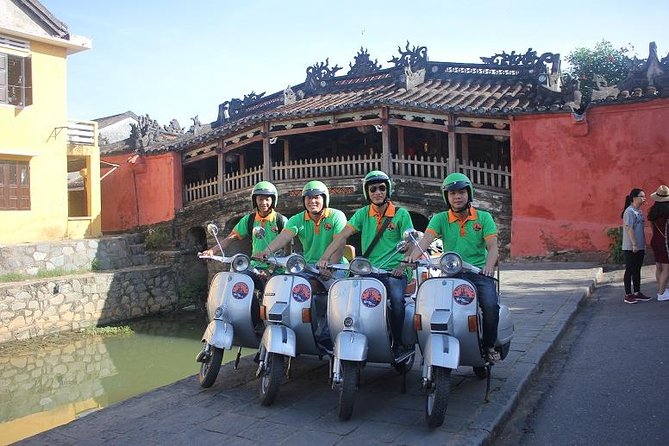
Start time is 8:00 am, and the day usually begins with hotel pickup. You meet your guide and driver, then roll out with the group. The tour limits the group to a maximum of 14 travelers, which helps keep the ride organized and the stops less chaotic.
You’ll get a helmet, bottled water, and snacks. You also get a mobile ticket, and confirmation is sent at booking time. That’s handy because Vietnam days can be busy, and you don’t want to spend the morning trying to find papers.
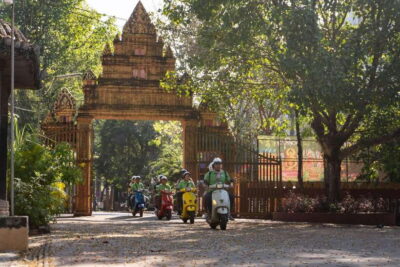
Comfort-wise, the tone you want from this kind of tour is careful and steady. In real-world experience, guides including Lam and Dong are attentive and drive at a pace that keeps the day pleasant rather than frantic. One traveler even brought an 80-year-old father along because it felt manageable, not punishing.
Quick reality check: you are still riding a scooter. Expect some bumps, and plan to hold on firmly when the roads shift. If you’re used to city riding, you’ll likely be fine. If you get carsick easily or hate movement, you’ll feel it more.
The first leg: leaving Hoi An and learning what locals actually eat and make
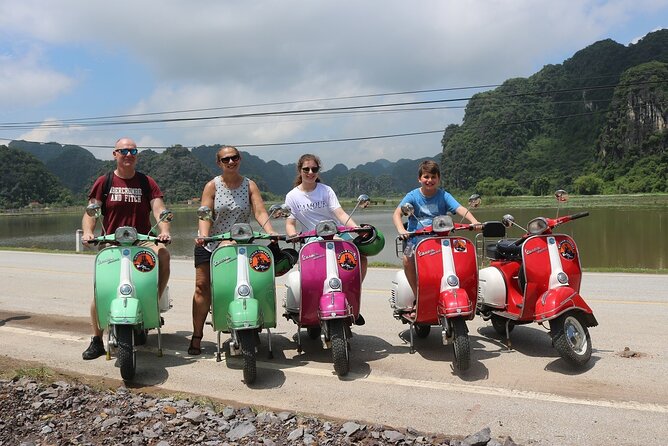
The day starts with a countryside orientation that feels more like a guided introduction to village life than a sightseeing sprint. You’ll drive out from Hoi An and reach your first cultural stop around the Hoi An Ancient Town area, but the emphasis quickly shifts away from the lanes you already know.
There’s also a food-making moment early on. You’ll see a local rice-flour dish being made, and you can give it a go yourself. That kind of try-it-yourself activity is valuable because it changes the way you see lunch later. Instead of eating something you bought, you understand where the ingredients and steps come from.
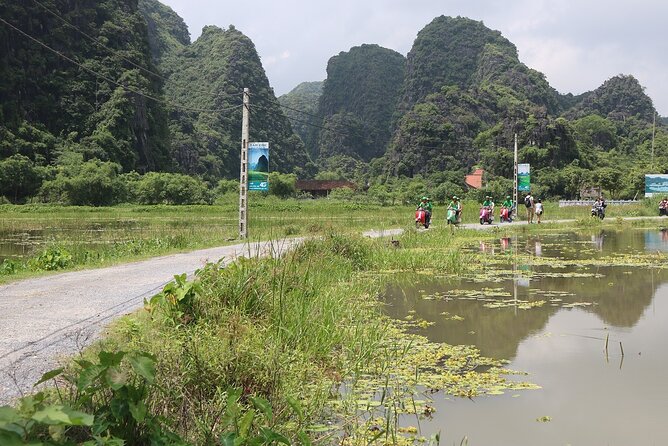
You’ll also pass through rural stretches where the landscape is obviously shaped by farming. Even if you’ve seen rice fields before, the timing and route give you a different viewpoint—more connected to daily labor than postcard photography.
What to like at this stage
- Early timing means fewer crowds and calmer roads
- Food-making practice turns “culture” into something you actually do
- You’re learning before you’re simply looking
Possible drawback here
If you’re expecting a long sit-down museum-style explanation, this stop is more hands-on and on-the-road. You’ll learn in fragments across multiple quick moments, not one long lecture.
Tra Que Vegetable Village: straw mats, farmers, and river livelihoods
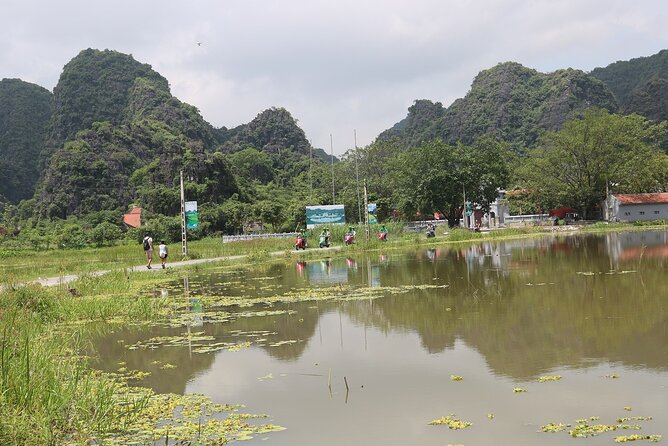
The heart of the day is the Tra Que Vegetable Village area and the surrounding river and fishing zones. This is where the tour becomes practical and visual: you see how people produce food and how river communities survive.
You’ll see weavers making straw mats. That might sound simple, but it’s the kind of craft that supports daily life—think storage, covering, and practical materials shaped by local tools and local needs. It’s the same story across the stops: skills exist because they solve a real problem.
Then you’ll ride along the riverbank to see fish farms and fish traps in action. Fish traps are a great example of “local intelligence” at work. You’re not just seeing water—you’re seeing a system designed to catch and manage fish with techniques that fit the environment.
There’s also boat and bridge content that adds variety. You’ll stop to see people build fishing boats, and you’ll cross a traditional bridge built completely from bamboo. After that, there’s a bamboo boat ride that gives you a closer view of the fish farms from the water.
The value of these stops (and why it’s more than photos)
Most tours in Hoi An focus on pretty views. Here, you’re learning how the countryside feeds the town. The mat weaving connects to daily materials. The fish farms connect to protein and trade. The boat-building connects to mobility and work. Together, they explain why Hoi An looks the way it does, both in city life and in the rural edges you pass through.
A small note on pacing
This part can feel like a “stop-and-go” day because you’ll jump between experiences: ride segments, short walks, quick explanations, then back on the Vespa. It’s engaging, but if you prefer long, slow hangs, you might find the rhythm a bit busy.
Coffee break and lunch: included, and usually the best part of the day
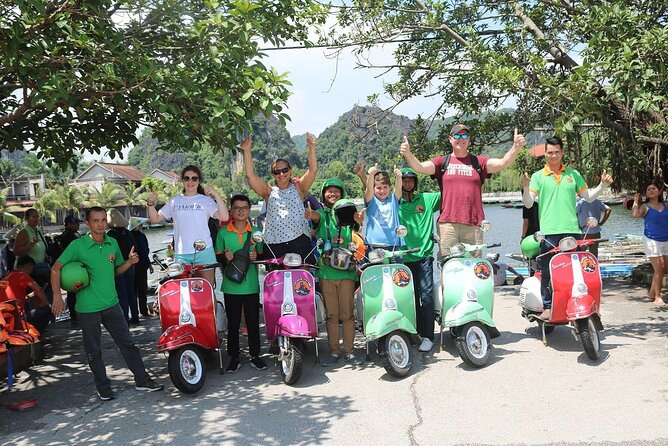
You get a coffee break along the way, and you finish with a delicious lunch at a local restaurant. The tour also includes bottled water and snacks, which helps a lot. On scooter days, hunger sneaks up. Having food and drinks built into the schedule means you’re less likely to spend energy waiting in line somewhere random.
What I like about this arrangement is that lunch doesn’t become an afterthought. You’re already out in the countryside, so eating locally makes sense. And because you’ve seen farming and river life earlier, the meal feels tied to the morning instead of disconnected from it.
Guides that make the countryside click: Lam, Dong, John, Sa
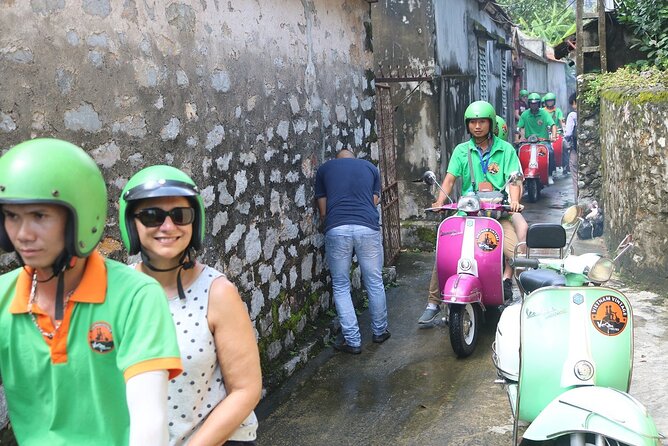
The quality of a Vespa day comes down to two things: driving and storytelling. This tour leans into both.
One of the most praised guides is Lam, often noted for good English and clear explanations, plus a careful, comfortable driving style. Dong also shows up as a driver who takes professionalism seriously. In at least one case, the group was met at the accommodation by John, Dong, and Sa, which helped set a calm tone immediately.
Here’s what that means for you: you’ll understand what you’re seeing while you’re seeing it. When someone explains why a fish trap is built a certain way or why a bridge is used, your brain files the details and you remember the day longer than if it’s just visual scenery.
Price and value: why $82 can make sense here
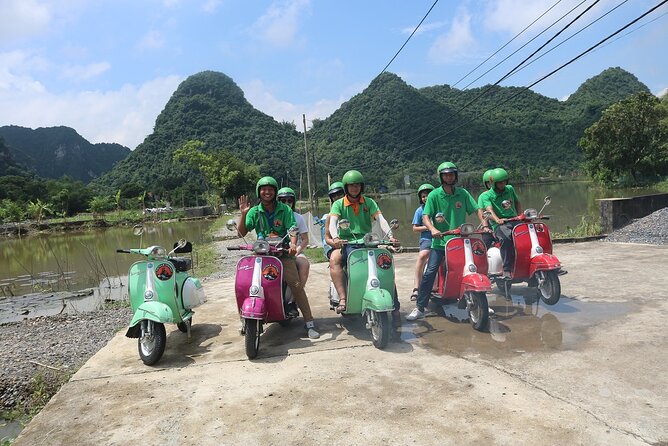
At $82.06 per person for about five hours, the value comes from bundling several things that usually cost extra on your own:
- Hotel pickup and drop-off
- Vespa + driver
- Helmet
- Lunch
- Coffee break
- Snacks and bottled water
- All activities tied to the route
If you tried to recreate this by yourself, you’d spend time coordinating transport, then separately paying for food and entry-adjacent activities. Here, your time is organized. Also, the small group size (up to 14) means you’re not just buying motion—you’re buying access to the countryside route with guidance.
Is it the cheapest way to see rural Hoi An? Probably not. But it’s also not trying to be. It’s aiming for a full day’s worth of village exposure without you doing the planning.
Who this tour suits best (and who should think twice)
This tour is a strong fit if you want:
- A practical culture day—crafts, farming, fishing life
- A Vespa experience that stays comfortable and guided
- A small-group feel rather than a large-group scramble
- Included meals, so your day stays easy
It also appears to work across ages. One traveler even tested it with an 80-year-old father and found it enjoyable and well-managed. That doesn’t automatically mean it’s perfect for everyone, but it suggests the operators focus on a ride style that’s not extreme.
If you should think twice:
- You hate scooters or have strong motion discomfort
- You want long, quiet time in one place instead of multiple short stops
- You prefer purely historical monuments and museum-style touring
Practical tips before you go
A few common-sense things make scooter tours smoother:
- Wear something you can move in, and bring a layer if mornings feel cool for you.
- Keep your phone secure when you stop, especially near water or when crossing bridges.
- Bring small cash if you want snacks or extras beyond what’s included (the tour includes snacks, but you may want extra drinks depending on taste).
- If you’re traveling with glasses, a strap or secure case helps when the wind picks up.
Also, in one experience, rain was forecast and the day still felt positive. That’s a good sign the team stays flexible, but you should still plan for the possibility of wet roads and the need for careful footing.
Should you book the Hoi An Vespa Rural Villages tour?
I’d book it if you want a countryside day that feels connected to how Hoi An actually runs. The mix—rice-flour making, straw mat weaving, fish farms and fish traps, bamboo bridge and bamboo boat, plus lunch—adds up to a full picture of rural life that’s hard to get from old-town wandering alone.
Skip it if your ideal day is mostly walking in ruins, shopping, or sitting in one café for hours. This is active, and it’s built around riding and short stops.
If you’re on the fence, ask yourself a simple question: do you want to see Hoi An’s back roads and river systems, with a guide explaining what you’re looking at? If the answer is yes, this tour is likely one of the more satisfying ways to spend a morning in the area.
FAQ
What is the duration of the Hoi An Vespa Rural Villages tour?
The tour lasts about 5 hours.
Where does the tour start and what time does it begin?
The start time is 8:00 am, and the tour starts with pickup from your accommodation or a nearby meeting point to join the group.
Do I need to buy separate tickets for activities?
An admission ticket is included for the listed stops.
What’s included in the price?
The price includes hotel pickup and drop-off, a professional driver/guide, helmet use, bottled water, snacks, lunch, and all activities.
How many people are in a group?
The tour has a maximum group size of 14 travelers.
Can children join the tour?
Children under 6 can join and sit with their parents.
What is the cancellation policy?
You can cancel for a full refund up to 24 hours in advance of the experience start time. If you cancel less than 24 hours before, the amount paid is not refunded.