REVIEW · HOI AN
Half Day Exploring Hoi An Countryside in a Vespa
Book on GetYourGuide →Operated by Hoi An Backroad Tours - Daily Tours · Bookable on GetYourGuide
Hoi An is pretty up close, and this one goes farther. You get a half-day countryside Vespa ride plus hands-on cultural stops that feel personal, not staged. I love that the pace leaves room to ask questions and actually chat with the people who do this work every day.
My second favorite part is the sequence of activities: you’re not just watching. You’ll try things like rice noodle making, learn about offerings, then see traditional crafts like mat weaving and rice wine brewing. The downside is simple: even though it’s designed for beginners, you will be on a motorbike/scooter for much of the tour, so keep expectations realistic if you’re not comfortable with that.
In This Review
- Key things I’d put at the top
- Hoi An by Vespa: What the countryside ride is like
- Dong Ha Village (Cam Kim): Rice noodles and votive paper offerings
- Tra Nhieu (Duy Vinh) and the Whale Temple (Lang Ca Ong)
- Mat weaving at a local household: a craft with patience baked in
- Rice wine brewing: steps, culture, and why it matters
- The home-cooked meal with a local family
- Price, value, and logistics that make the day smoother
- Who should book this Hoi An countryside Vespa tour
- Should you book?
- FAQ
- FAQ
- How long is the Hoi An countryside Vespa tour?
- What does pickup include?
- Where is the meeting point?
- Do I need prior experience to ride?
- What’s included in the price?
- What should I bring?
- Is an English guide provided?
- Is tipping included?
Key things I’d put at the top
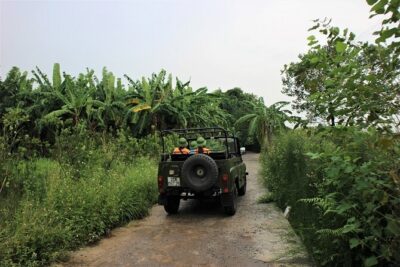
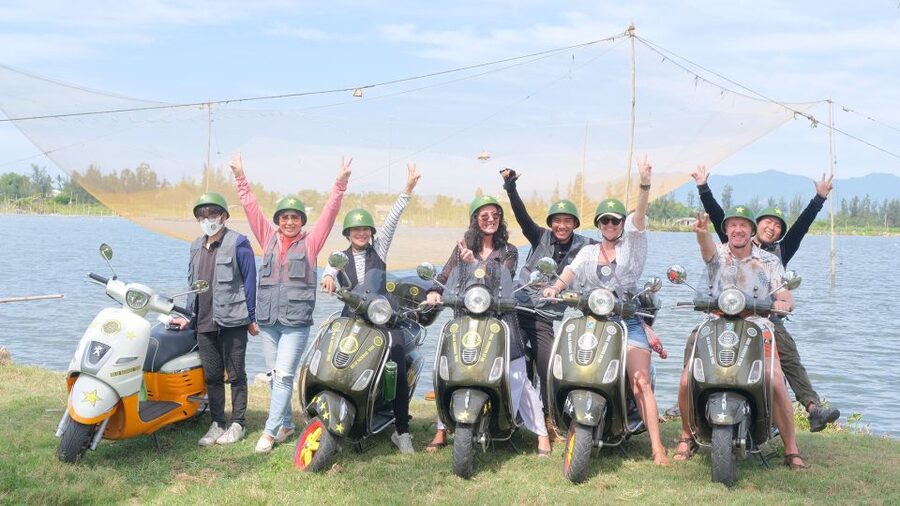
- Vintage army-style Vespa ride with an experienced, licensed driver and included petrol
- Dong Ha Village activities like trying rice noodle making and learning about votive paper offerings
- Whale Temple (Lang Ca Ong) stop with fishing legends plus traditional net-pulling techniques
- Mat weaving hands-on at a local household passed down through generations
- Rice wine brewing and the cultural steps behind a traditional Vietnamese drink
- Home-cooked meal with a local family, built around real everyday life
Hoi An by Vespa: What the countryside ride is like
This tour starts with pickup in and around Hoi An Ancient Town (from hotels roughly 1–5 km away) or at the meeting point on 358 Nguyen Duy Hieu Street in Cam Chau. You’ll want to be ready: wait in your hotel lobby about 15 minutes before pickup, or arrive around 15 minutes early if you’re meeting at the street location.
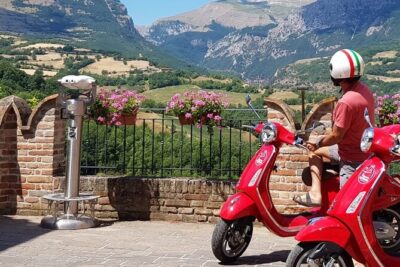
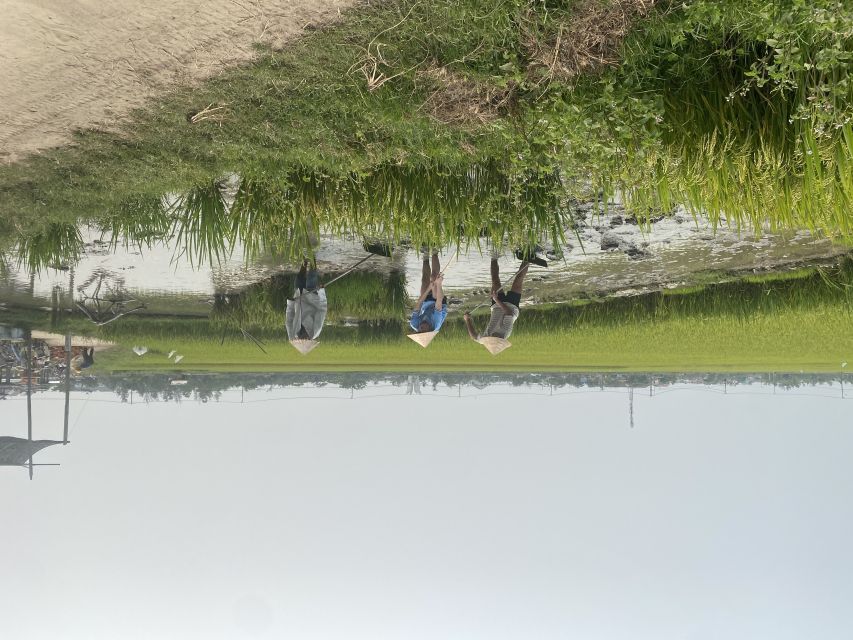
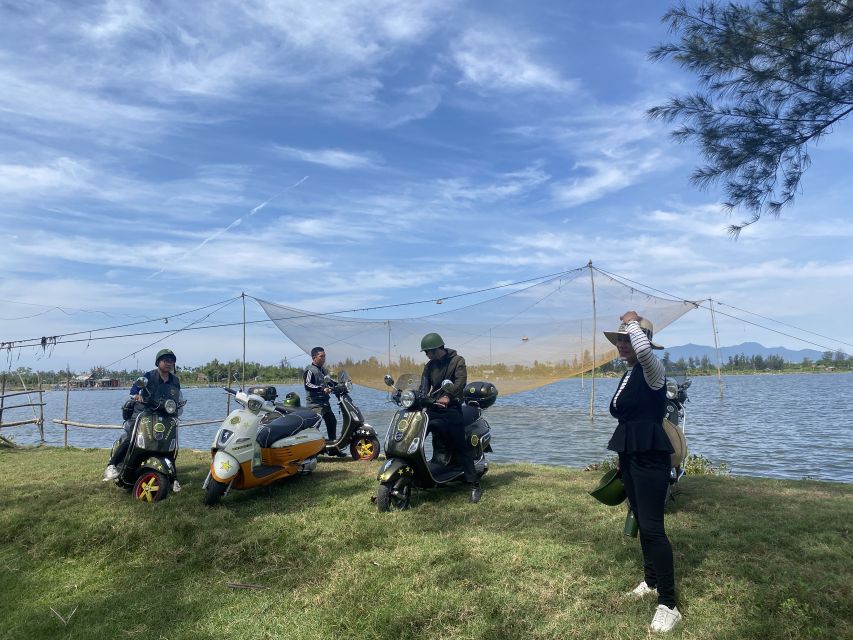
Once you’re off, the ride follows winding roads lined with green fields and calm waterways. It’s a nice change from the Ancient Town lanes, and that matters because it shows how much of Hoi An’s life still revolves around agriculture and coastal living. You’ll also get a helmet and a rain poncho, which is a practical little detail if weather turns.
A key thing I like about the way the tour is set up is that it’s beginner-friendly. That doesn’t mean you’ll feel zero movement or zero heat, but it does mean you won’t be pressured to do anything technical. Your focus stays on the scenery and the conversations.
Dong Ha Village (Cam Kim): Rice noodles and votive paper offerings
Your first big cultural stop is a local household in Dong Ha Village, Cam Kim. Here, you’ll learn about traditional practices tied to rice, vegetables, and grain cultivation, then you’ll get hands-on time so you’re not just standing at the edge.
One highlight is trying your hand at making rice noodles. Even if you’ve never worked with dough or rice-based batter before, this kind of activity is usually where the “cultural exchange” becomes real. You get to see the rhythm of the work and understand why small techniques matter when you’re producing food that people actually eat every day.
Next, you’ll learn about the process of creating votive paper offerings. This connects farming and daily life to local beliefs and rituals. It’s also a good reminder that countryside culture isn’t only about crops and animals. People here keep traditions alive through materials and small steps that many visitors never see.
What to consider: hands-on experiences can get messy, and you’ll be wearing what you came in. Comfortable shoes help, and it’s worth wearing something you don’t mind getting a little dusty.
Tra Nhieu (Duy Vinh) and the Whale Temple (Lang Ca Ong)
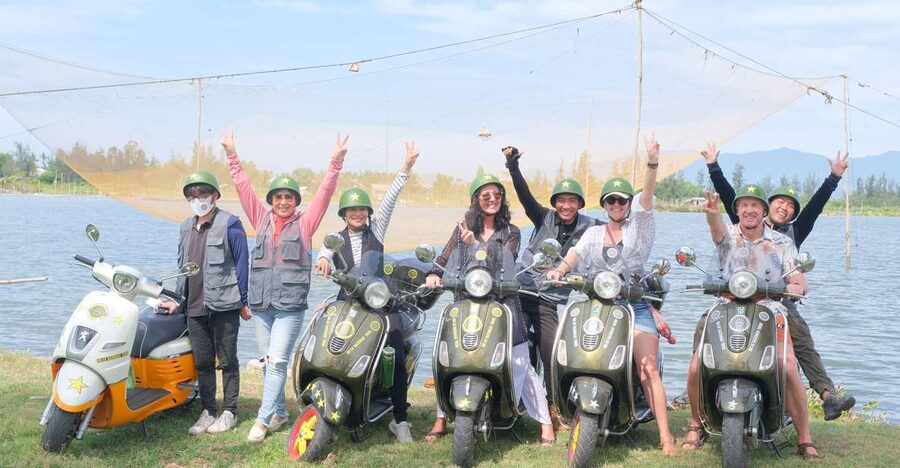
After Dong Ha Village, you’ll ride through more countryside to reach Tra Nhieu in Duy Vinh. This area is known for cultural heritage and traditional crafts, so the stops start to feel more “workshop and story” than “photo stops.”
The first stop here is the Whale Temple (Lang Ca Ong). You’ll hear local legends tied to fishing and coastal life, and you’ll also learn about traditional fishing methods and net-pulling techniques. Even if you don’t fish, the way the methods connect to the legends helps you understand what people value and fear and hope for in coastal work.
This stop is valuable because it gives context. Without it, fishing and coastal crafts can feel like separate facts. With it, you start to see how communities treat nature and seafaring as something deeply tied to identity.
Potential drawback: temples and storytelling stops can be quieter and slower than the riding sections. If you’re hoping for constant action, you may feel the day gets a little more reflective at this point. On the bright side, it’s a good break from being in motion.
Mat weaving at a local household: a craft with patience baked in
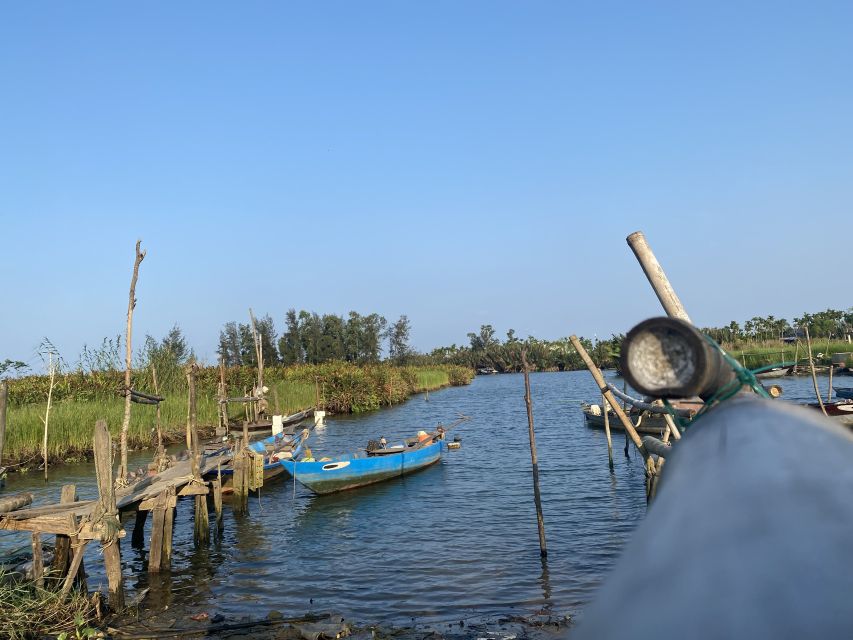
Next, you’ll visit another local household where you learn the art of mat weaving. The big advantage of this stop is that it’s hands-on. You’re not just shown the final product; you learn the process tied to a craft passed down through generations.
Mat weaving is one of those skills that makes more sense when you try it. The tour’s setup helps, because you’re seeing it in the place where it’s made, with people who can explain what matters in the work. You’ll likely come away thinking about how many everyday items in Vietnam depend on time, repetition, and fine coordination.
What might not be for everyone: weaving takes patience, and the learning experience is likely paced to match the household’s rhythm. If you’re the type who gets restless in slower activities, you’ll want to focus on the small steps and the explanations rather than chasing speed.
Rice wine brewing: steps, culture, and why it matters
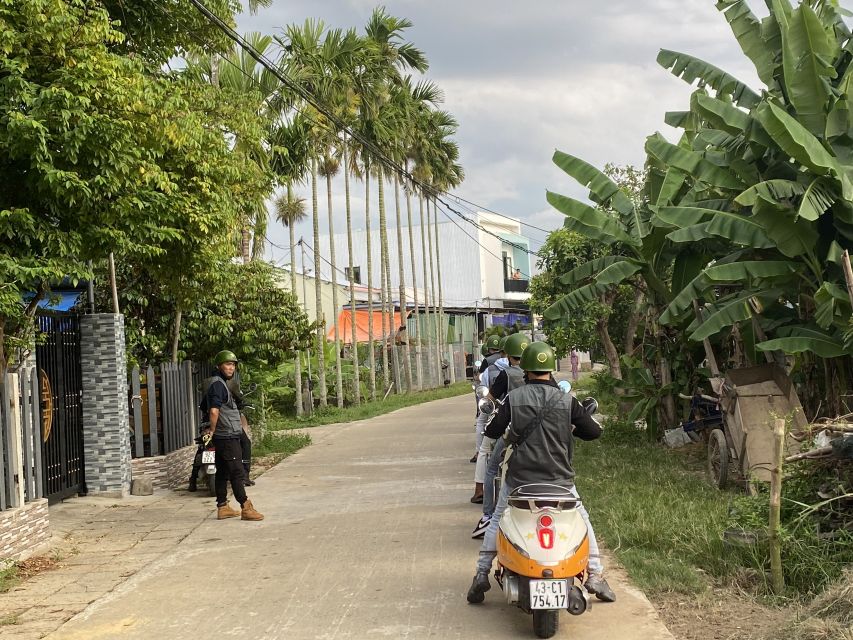
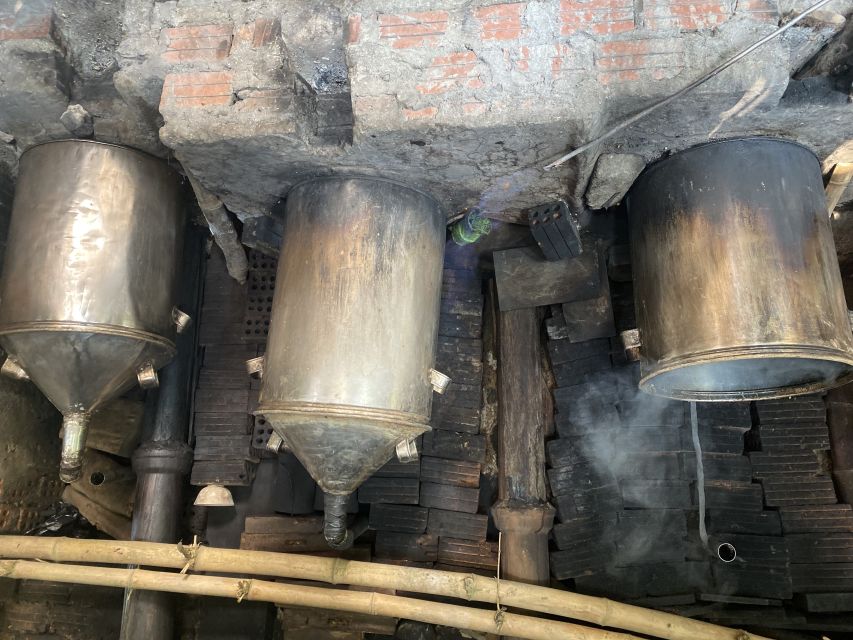
Another home visit follows, this time centered on the process of brewing rice wine. You’ll observe and learn the steps involved, along with the cultural significance of this traditional Vietnamese beverage.
This stop is especially good if you’ve only tasted rice wine once or twice and want a deeper sense of where it comes from. Seeing the process connects it back to local agriculture and household work. In other words, it’s not a “bar drink.” It’s part of the way a family traditions and routines survive.
If you have questions about ingredients or the timing of brewing, this is the kind of stop where your guide can help you ask. The tour is designed for beginners, so you don’t need any prior background to understand what’s happening.
The home-cooked meal with a local family
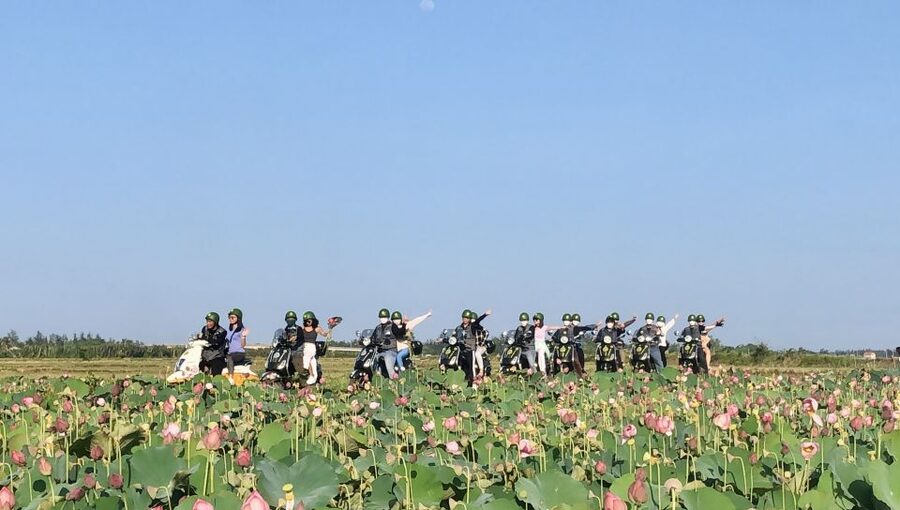
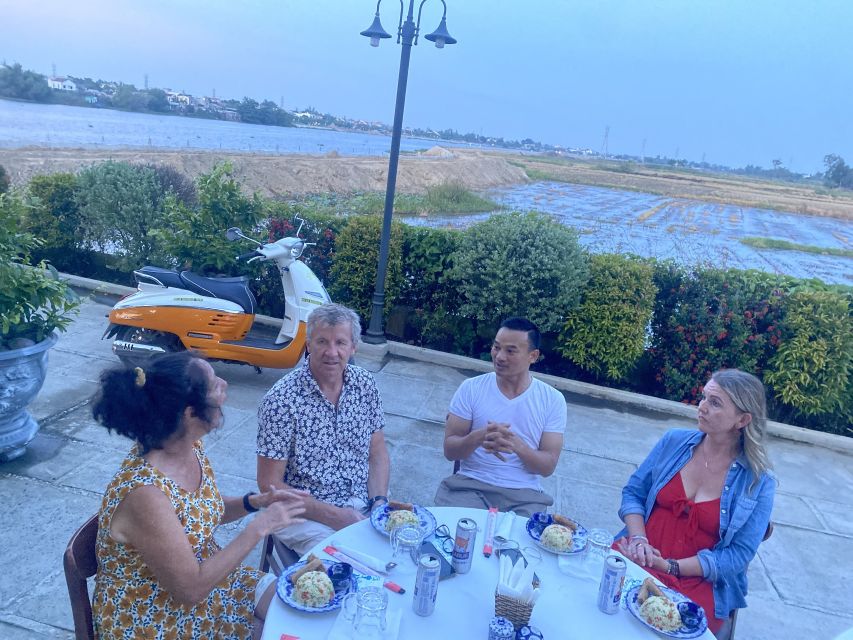
By the final part of the day, you’ll head to a local family’s home for a home-cooked meal. This is where the tour shifts from learning-and-doing into sharing-and-reflection.
The meal is included, and that matters for value. In a half-day format, most tours either pay for transport plus a single attraction. Here, you’re paying for transport and for multiple cultural stops, and you get a substantial finish that’s tied to everyday middle-class life.
I also appreciate that the meal isn’t positioned as a performance. It’s framed as an opportunity to understand how people live and cook, and that feeling of meeting someone’s routine is why this tour works well for culture-first travelers.
One consideration: you’ll be spending about 4.5 hours total, with several activity stops. Coming hungry is a good move, but also bring the mindset that the day is structured around food, craft, and stories rather than strict sightseeing checklists.
Price, value, and logistics that make the day smoother
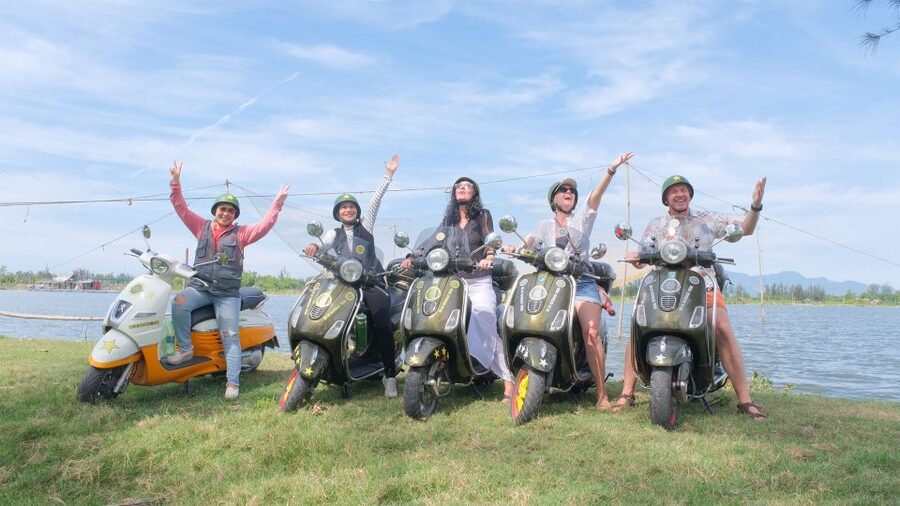
The price is $64 per person for a 4.5-hour experience. On paper, that can sound like a “tour price” until you count what’s actually included: pickup and drop-off in and around the Ancient Town area, a vintage army-style motorbike/scooter/Vespa, an experienced licensed driver with petrol for the full journey, an English-speaking guide, tickets and entrance fees, helmets and rain ponchos, and the home-cooked meal.
For me, value comes from the combination of things that are hard to assemble yourself: transportation with a driver in rural roads, guided interpretation in English, and access to multiple households for hands-on activities. If you tried to replicate that on your own, you’d spend time figuring out routes, finding reliable contacts, and getting permission for household visits.
Logistics are also fairly straightforward. Your pickup is included if you’re within about 5 km of Hoi An Centre/Post Office/Central Market/Ancient Town. If you’re farther out than that, you’d need to use the meeting point at 358 Nguyen Duy Hieu Street, Cam Chau.
This is also a good fit if you want something between “city tour” and “full day rural excursion.” It’s half-day length, but it still covers enough stops to feel like you changed perspective on Hoi An.
Who should book this Hoi An countryside Vespa tour
This tour is a strong match if you:
- Enjoy countryside life and want agriculture-based cultural context
- Like hands-on experiences more than passive sightseeing
- Want a small taste of multiple crafts and traditions in a short time
- Prefer an English-speaking guide to help you connect the dots
It’s less ideal if you:
- Get easily motion-sick or dislike motorbike rides
- Want only major, famous landmarks and nothing “local household”
- Are looking for long free time to wander on your own
Also, remember the simple practical note: bring comfortable shoes. You’ll be on rural grounds and moving between home visits, so footwear matters more than you might think.
Should you book?
I think this is a book-worthy option if you want real connections, not just scenery. The big reason is the blend: a Vespa ride for rural views plus household visits where you actually do things—rice noodles, votive paper offerings, weaving, and rice wine steps—ending with a home-cooked meal that makes the day feel complete.
If motorbike time worries you, consider whether you’ll be comfortable for the full 4.5 hours. But if you’re okay riding and you like meeting people through everyday work, this tour is one of the most direct ways to see a different side of Hoi An.
FAQ
FAQ
How long is the Hoi An countryside Vespa tour?
The duration is about 4.5 hours.
What does pickup include?
Pickup and drop-off are included in and around Hoi An Ancient Town (about 1–5 km from key central locations). If your hotel is more than 5 km from the center, you’ll need to use the meeting point.
Where is the meeting point?
The meeting point is at 358 Nguyen Duy Hieu Street, Cam Chau, Hoi An, Quang Nam. You should arrive about 15 minutes before the tour starts.
Do I need prior experience to ride?
No. The tour is designed for beginners, and no prior experience is necessary.
What’s included in the price?
Included are the vintage army-style motorbike/scooter/Vespa with a driver, petrol, helmet and rain poncho, an English-speaking guide, tickets and entrance fees, taxes and permits, pickup and drop-off, and a home-cooked meal.
What should I bring?
Wear comfortable shoes. The tour provides helmets and a rain poncho.
Is an English guide provided?
Yes, the guide is English speaking.
Is tipping included?
Tips for the local driver and tour guide are not included.